Upskilling for the Green Economy: 4 High-Growth Career Paths in the U.S. for the Next 5 Years

Anúncios
The global shift towards sustainability is not just an environmental imperative; it’s an economic revolution. The United States, in particular, is experiencing an unprecedented surge in demand for skills and talent within the burgeoning green economy. This isn’t merely about protecting the planet; it’s about building a resilient, innovative, and prosperous future. For individuals looking to future-proof their careers and contribute to a meaningful cause, understanding and embracing green economy upskilling is paramount.
Anúncios
The green economy encompasses a vast array of sectors, from renewable energy and sustainable agriculture to eco-friendly manufacturing and green building. It’s characterized by industries that aim to reduce environmental risks and ecological scarcities, and that foster sustainable development without degrading the environment. As policies, technologies, and consumer preferences continue to evolve, so too does the landscape of employment opportunities within this sector. The next five years are projected to see significant growth in specific career paths, offering lucrative and impactful roles for those prepared to adapt and learn.
This comprehensive guide will delve into four high-growth career paths in the U.S. green economy, providing insights into the roles, required skills, and pathways for green economy upskilling. Whether you’re a seasoned professional seeking a career pivot or a new entrant to the workforce, understanding these trends can help you strategically position yourself for success in the sustainable future.
Understanding the Green Economy Landscape in the U.S.
Before we dive into specific career paths, it’s crucial to grasp the scale and scope of the green economy in the U.S. Driven by federal initiatives, state-level mandates, and increasing private sector investment, the green sector is expanding at a remarkable pace. The Biden administration’s focus on clean energy and climate resilience, for instance, has unlocked billions of dollars in funding for infrastructure, research, and development, directly translating into job creation.
Anúncios
Reports from organizations like the Bureau of Labor Statistics (BLS) and various environmental agencies consistently highlight the upward trajectory of green jobs. These aren’t just niche roles; they span across traditional industries, transforming existing positions and creating entirely new ones. From engineers designing wind farms to data analysts optimizing energy consumption, the demand for green skills is pervasive.
The concept of green economy upskilling isn’t just about learning new technical skills; it also involves developing a deeper understanding of sustainability principles, circular economy models, and environmental regulations. It’s about cultivating a mindset that prioritizes efficiency, resource conservation, and ecological balance in every aspect of work.
Key Drivers of Green Job Growth:
- Policy and Regulation: Government incentives, tax credits, and environmental regulations are accelerating the transition to a greener economy.
- Technological Innovation: Advancements in renewable energy, energy storage, smart grids, and sustainable materials are creating new industries and roles.
- Consumer Demand: A growing awareness among consumers about climate change is driving demand for eco-friendly products and services.
- Corporate Sustainability Goals: Many companies are setting ambitious sustainability targets, requiring green expertise across their operations.
For individuals, this presents a golden opportunity. By proactively engaging in green economy upskilling, you can not only enhance your employability but also contribute to a more sustainable and equitable world. Let’s explore some of the most promising avenues.
1. Renewable Energy Technicians and Engineers
The renewable energy sector is arguably the most visible and rapidly expanding segment of the green economy. As the U.S. continues to transition away from fossil fuels, the demand for professionals who can design, install, maintain, and optimize renewable energy systems is skyrocketing. This category encompasses a range of roles, from hands-on technicians to highly specialized engineers.
Roles and Responsibilities:
- Solar Photovoltaic (PV) Installers: These professionals assemble, install, and maintain solar panel systems on rooftops or other structures. They are crucial for residential, commercial, and utility-scale solar projects.
- Wind Turbine Technicians: Responsible for the installation, inspection, maintenance, and repair of wind turbines. This often involves working at significant heights and requires specialized safety training.
- Geothermal Technicians/Engineers: Focus on systems that harness the Earth’s internal heat for heating, cooling, and electricity generation.
- Hydropower Plant Operators: Manage and operate hydroelectric power plants, ensuring efficient energy generation and water management.
- Renewable Energy Engineers: Design, develop, and improve renewable energy technologies and systems. This can include electrical engineers specializing in grid integration, mechanical engineers designing turbine components, or chemical engineers working on advanced battery storage solutions.
Required Skills and Upskilling Pathways:
For technicians, a strong foundation in electrical systems, mechanics, and safety protocols is essential. Many community colleges and vocational schools offer specialized programs and certifications. For engineers, a bachelor’s or master’s degree in electrical, mechanical, civil, or chemical engineering is typically required, often with a specialization in renewable energy or power systems.
Key areas for green economy upskilling include:
- Technical Certifications: North American Board of Certified Energy Practitioners (NABCEP) for solar, or specific wind turbine manufacturer certifications.
- Advanced Degrees/Specializations: Master’s programs in Renewable Energy Engineering, Sustainable Systems Engineering, or Energy Policy.
- Safety Training: OSHA certifications, working at heights, electrical safety.
- Data Analysis: For optimizing system performance and predicting maintenance needs.
- Project Management: Especially for engineers overseeing large-scale renewable projects.
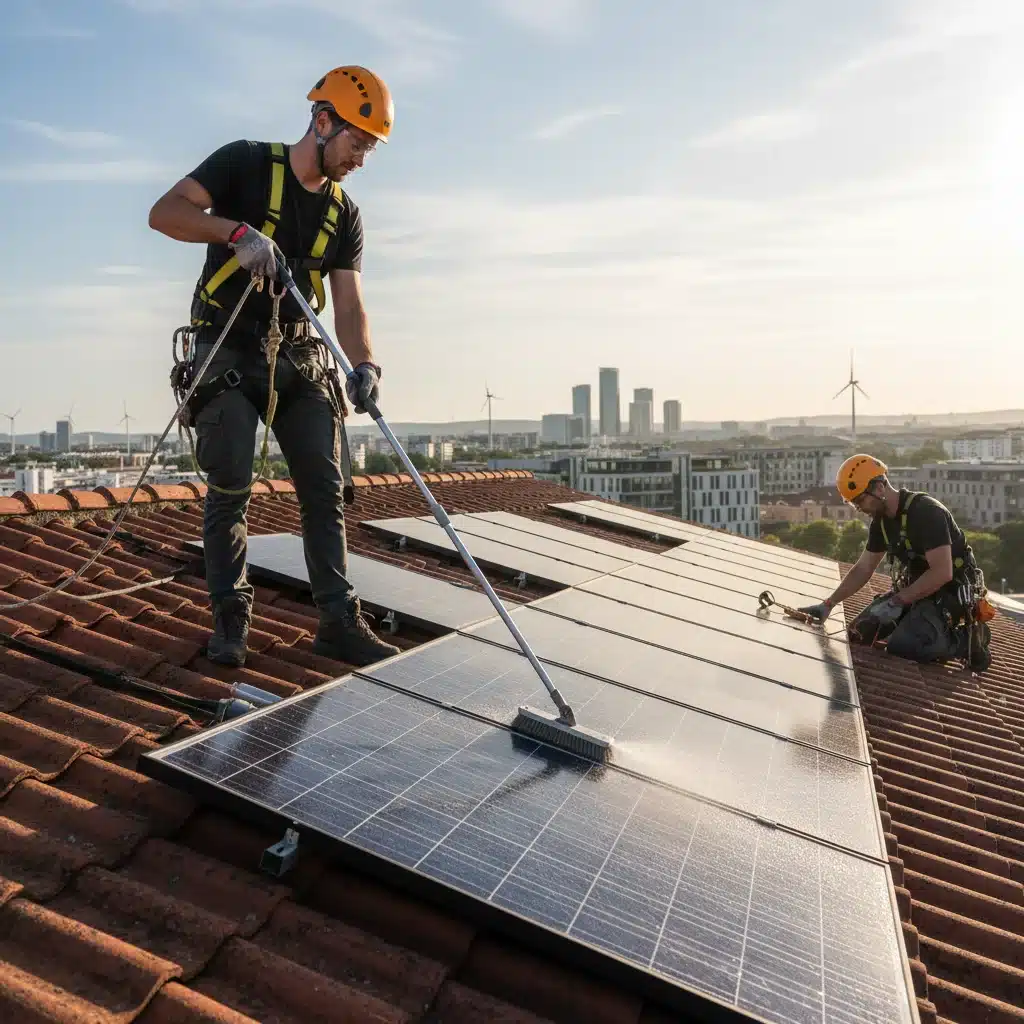
The BLS projects significant growth for both solar PV installers and wind turbine technicians, with jobs expected to increase by 22% and 45% respectively between 2022 and 2032, far outpacing the average for all occupations. This makes these roles prime targets for individuals seeking immediate and long-term career opportunities through green economy upskilling.
2. Energy Efficiency and Building Performance Specialists
Beyond generating clean energy, a crucial aspect of the green economy is reducing energy consumption and optimizing building performance. This sector focuses on making homes, commercial buildings, and industrial facilities more energy-efficient, thereby reducing carbon footprints and operational costs. The demand for professionals in this area is driven by stringent building codes, corporate sustainability mandates, and consumer desire for lower utility bills.
Roles and Responsibilities:
- Energy Auditors: Conduct comprehensive assessments of buildings to identify areas of energy waste and recommend efficiency improvements. This involves using specialized equipment like thermal cameras and blower doors.
- Building Performance Analysts: Utilize software and data analytics to model and simulate building energy consumption, optimizing designs for new constructions and retrofits.
- Green Building Consultants: Advise clients on sustainable building practices, materials, and certifications (e.g., LEED, Passive House).
- HVAC Technicians (with Green Specialization): Install, maintain, and repair high-efficiency heating, ventilation, and air conditioning systems, including geothermal and heat pump technologies.
- Sustainable Design Architects/Engineers: Integrate sustainable principles into architectural and engineering designs, focusing on passive heating/cooling, natural lighting, and renewable energy integration.
Required Skills and Upskilling Pathways:
A blend of technical knowledge, analytical skills, and understanding of building science is vital. Many roles require certifications and a strong grasp of relevant software.
Key areas for green economy upskilling include:
- Building Analyst Certifications: From organizations like the Building Performance Institute (BPI) or RESNET (Residential Energy Services Network).
- LEED Accreditation: Leadership in Energy and Environmental Design (LEED) professional credentials are highly valued for green building consultants and architects.
- HVAC Certifications: EPA Section 608 certification, NATE (North American Technician Excellence) certifications with a focus on high-efficiency systems.
- Building Information Modeling (BIM) Software: Proficiency in tools like Revit, AutoCAD, and energy modeling software (e.g., EnergyPlus, IESVE).
- Data Analytics: For interpreting energy consumption data and identifying optimization opportunities.
- Knowledge of Building Codes: Understanding local and national energy efficiency codes and standards.
As buildings account for a significant portion of global energy consumption, the drive for efficiency will continue to fuel job growth in this sector. Professionals who can help reduce this footprint through effective strategies and technologies will be in high demand, making this a pivotal area for green economy upskilling.
3. Circular Economy and Waste Management Innovators
The traditional linear economy model of ‘take-make-dispose’ is unsustainable. The circular economy, which aims to keep resources in use for as long as possible, extract the maximum value from them whilst in use, then recover and regenerate products and materials at the end of each service life, is gaining significant traction. This paradigm shift creates numerous opportunities in waste reduction, recycling, reuse, and innovative product design.
Roles and Responsibilities:
- Sustainability Coordinators/Managers: Develop and implement circular economy strategies within organizations, focusing on waste reduction, sustainable sourcing, and product lifecycle management.
- Recycling and Waste Management Specialists: Design and manage efficient recycling programs, explore new material recovery technologies, and optimize waste streams. This can include roles in municipal waste management or specialized industrial recycling.
- Product Designers (Circular Principles): Create products that are durable, repairable, reusable, and easily recyclable, minimizing waste from the outset.
- Environmental Engineers (Waste & Resource Management): Design and oversee systems for waste treatment, pollution control, and resource recovery, often working with industrial processes.
- Supply Chain Sustainability Analysts: Evaluate and optimize supply chains for environmental impact, focusing on ethical sourcing, reduced waste, and circular logistics.
Required Skills and Upskilling Pathways:
This field requires a blend of scientific understanding, business acumen, and an innovative mindset. Understanding material science, logistics, and policy is crucial.
Key areas for green economy upskilling include:
- Circular Economy Principles: Courses and certifications focusing on circular design, business models, and policy.
- Material Science: Understanding properties of different materials, their recyclability, and potential for reuse.
- Life Cycle Assessment (LCA): The ability to evaluate the environmental impacts of products and services throughout their entire lifecycle.
- Waste Management Technologies: Knowledge of composting, anaerobic digestion, advanced recycling, and waste-to-energy processes.
- Supply Chain Management: Optimizing logistics for reduced emissions and waste.
- Policy and Regulatory Knowledge: Understanding waste regulations, extended producer responsibility (EPR) schemes, and circular economy policies.
As companies and governments increasingly recognize the economic and environmental benefits of a circular approach, professionals skilled in this area will be highly sought after. This represents a significant growth area for green economy upskilling, moving beyond traditional ‘end-of-pipe’ waste management to proactive resource optimization.
4. Green Technology and Data Analysts
Technology and data are the backbone of the modern green economy. From optimizing smart grids and monitoring environmental conditions to developing AI-powered solutions for resource management, professionals with expertise in green technology and data analytics are indispensable. This category bridges the gap between environmental goals and technological innovation.
Roles and Responsibilities:
- Smart Grid Engineers/Analysts: Design, implement, and analyze data from smart grids to optimize energy distribution, integrate renewables, and improve grid resilience.
- Environmental Data Scientists: Collect, process, and analyze large datasets related to climate change, pollution, biodiversity, and resource consumption to inform environmental policy and business decisions.
- AI/Machine Learning Engineers (Green Applications): Develop AI algorithms for predictive maintenance of renewable energy assets, optimizing energy efficiency in buildings, or precision agriculture.
- Sustainability Software Developers: Create software solutions for carbon accounting, environmental reporting, supply chain transparency, and sustainable resource management.
- GIS Specialists (Environmental): Use Geographic Information Systems to map and analyze environmental data, support land-use planning, conservation efforts, and renewable energy site selection.
Required Skills and Upskilling Pathways:
A strong background in computer science, data science, statistics, or engineering is often required, coupled with an understanding of environmental principles.
Key areas for green economy upskilling include:
- Programming Languages: Python, R, Java, C++ for data analysis, modeling, and software development.
- Data Science Tools: Proficiency in machine learning frameworks (e.g., TensorFlow, PyTorch), big data platforms (e.g., Hadoop, Spark), and data visualization tools.
- Cloud Computing: Experience with AWS, Azure, Google Cloud for scalable data storage and processing.
- GIS Software: ArcGIS, QGIS for spatial data analysis.
- Domain-Specific Knowledge: Understanding of energy systems, climate science, ecological principles, or environmental regulations.
- Cybersecurity: Increasingly important for protecting critical green infrastructure (e.g., smart grids).
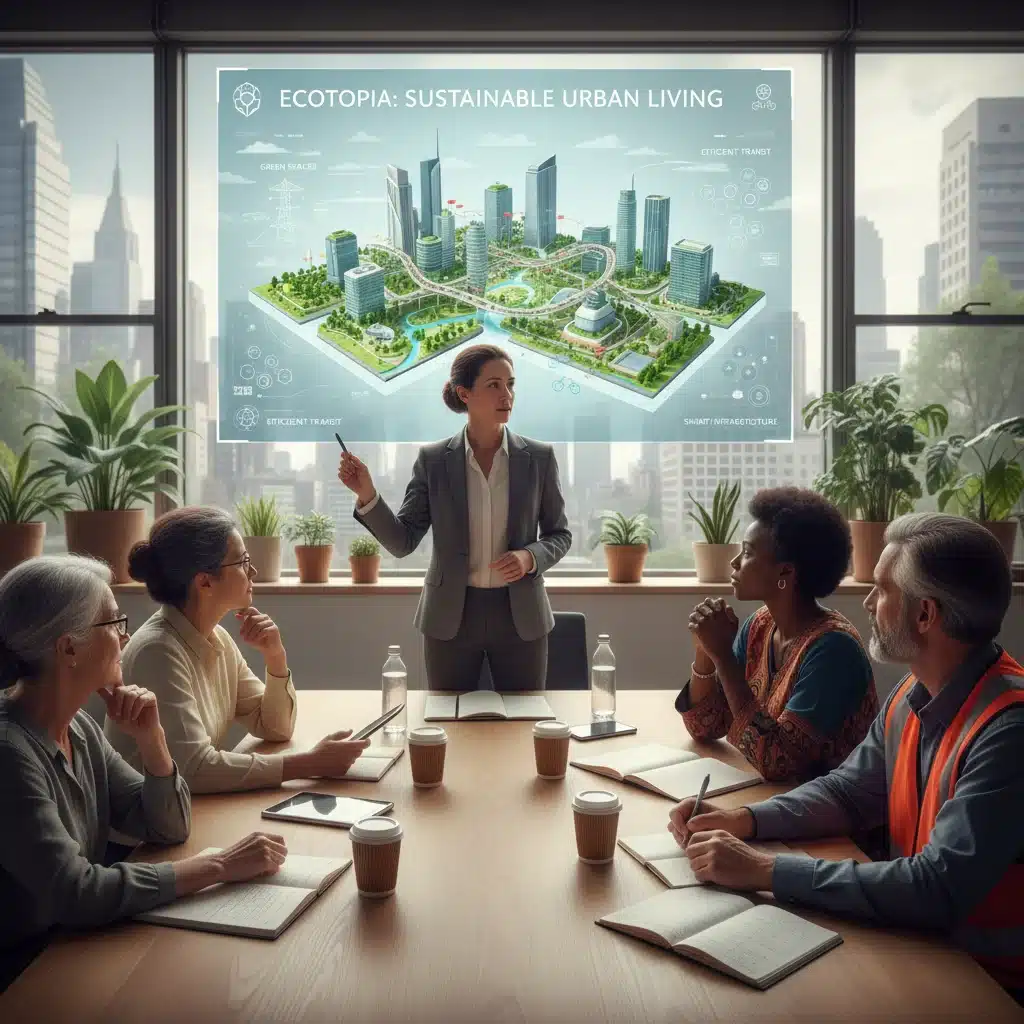
The convergence of technology and sustainability is creating a dynamic field with immense potential. Professionals who can leverage data and technology to solve complex environmental challenges will be at the forefront of innovation and highly sought after, making this a critical area for green economy upskilling.
Strategies for Green Economy Upskilling
Embarking on a journey of green economy upskilling requires a strategic approach. Here are some actionable steps you can take:
1. Identify Your Niche and Interests:
The green economy is vast. Pinpoint which sector or specific roles align with your existing skills, interests, and career aspirations. Do you enjoy hands-on technical work, data analysis, or strategic planning? Research job descriptions to understand common requirements.
2. Leverage Online Courses and Certifications:
Platforms like Coursera, edX, and specialized organizations (e.g., NABCEP, BPI, USGBC) offer a wealth of online courses and certifications. These can provide targeted knowledge and credentials that are recognized by employers. Look for programs from reputable universities or industry associations.
3. Pursue Vocational Training or Apprenticeships:
For technical roles like solar installers or wind turbine technicians, vocational schools and apprenticeship programs offer invaluable hands-on experience and industry-specific training. Many of these programs are designed to quickly get you job-ready.
4. Consider Advanced Degrees:
If you’re aiming for engineering, scientific, or leadership roles, a master’s or Ph.D. in a relevant field (e.g., Renewable Energy Engineering, Environmental Science, Sustainable Systems) can provide the deep theoretical knowledge and research skills required.
5. Network with Industry Professionals:
Attend industry conferences, webinars, and local events. Connect with professionals on LinkedIn. Networking can provide insights into emerging trends, job opportunities, and mentorship.
6. Gain Practical Experience:
Look for internships, volunteer opportunities, or entry-level positions where you can apply your newly acquired skills. Practical experience is often as valuable as formal education.
7. Stay Updated with Industry Trends:
The green economy is constantly evolving. Read industry publications, follow thought leaders, and subscribe to newsletters to stay abreast of new technologies, policies, and market demands. Continuous learning is key to sustained success in green economy upskilling.
8. Develop Soft Skills:
Beyond technical expertise, soft skills like problem-solving, critical thinking, adaptability, communication, and collaboration are highly valued in the green sector. Many green projects involve interdisciplinary teams and require effective communication with diverse stakeholders.
Conclusion: A Sustainable Future Awaits
The green economy is not a fleeting trend; it is the future. The U.S. is at the forefront of this transformation, creating millions of jobs and fostering innovation. By proactively engaging in green economy upskilling, you are not just investing in your career; you are investing in a healthier planet and a more prosperous society.
The four high-growth career paths discussed – Renewable Energy Technicians and Engineers, Energy Efficiency and Building Performance Specialists, Circular Economy and Waste Management Innovators, and Green Technology and Data Analysts – represent just a segment of the vast opportunities available. Each path offers unique challenges and rewards, requiring a combination of technical prowess, environmental awareness, and a commitment to sustainable practices.
The time to act is now. The demand for green skills is outpacing supply, creating a competitive advantage for those who are prepared. Embrace the journey of lifelong learning, adapt to the evolving demands of the market, and become a vital part of the solution to some of the world’s most pressing challenges. Your future, and the future of our planet, depends on it. Begin your green economy upskilling today and unlock a world of possibilities.