Navigating the Shifting Sands: Energy Market Dynamics in 2026
Anúncios
The year 2026 is poised to be a pivotal period for global energy market dynamics, characterized by a complex interplay of forces. We stand at the crossroads of persistent oil price volatility and an accelerating, irreversible shift towards renewable energy sources. Understanding these intricate dynamics is crucial for policymakers, investors, and consumers alike. This article delves deep into the factors shaping the energy landscape, offering insights into what the future holds for traditional fossil fuels and the burgeoning clean energy sector.
The global energy sector has always been a barometer of geopolitical stability, economic health, and technological advancement. However, the current era presents unprecedented challenges and opportunities. The lingering effects of global pandemics, ongoing geopolitical tensions, technological breakthroughs, and an increasingly urgent climate crisis are all converging to redefine the very fabric of the energy market dynamics. Our exploration will cover the persistent influence of crude oil, the rapid ascent of renewables, and the profound implications for global economies and environmental sustainability.
The Enduring Rollercoaster: Oil Price Volatility in 2026
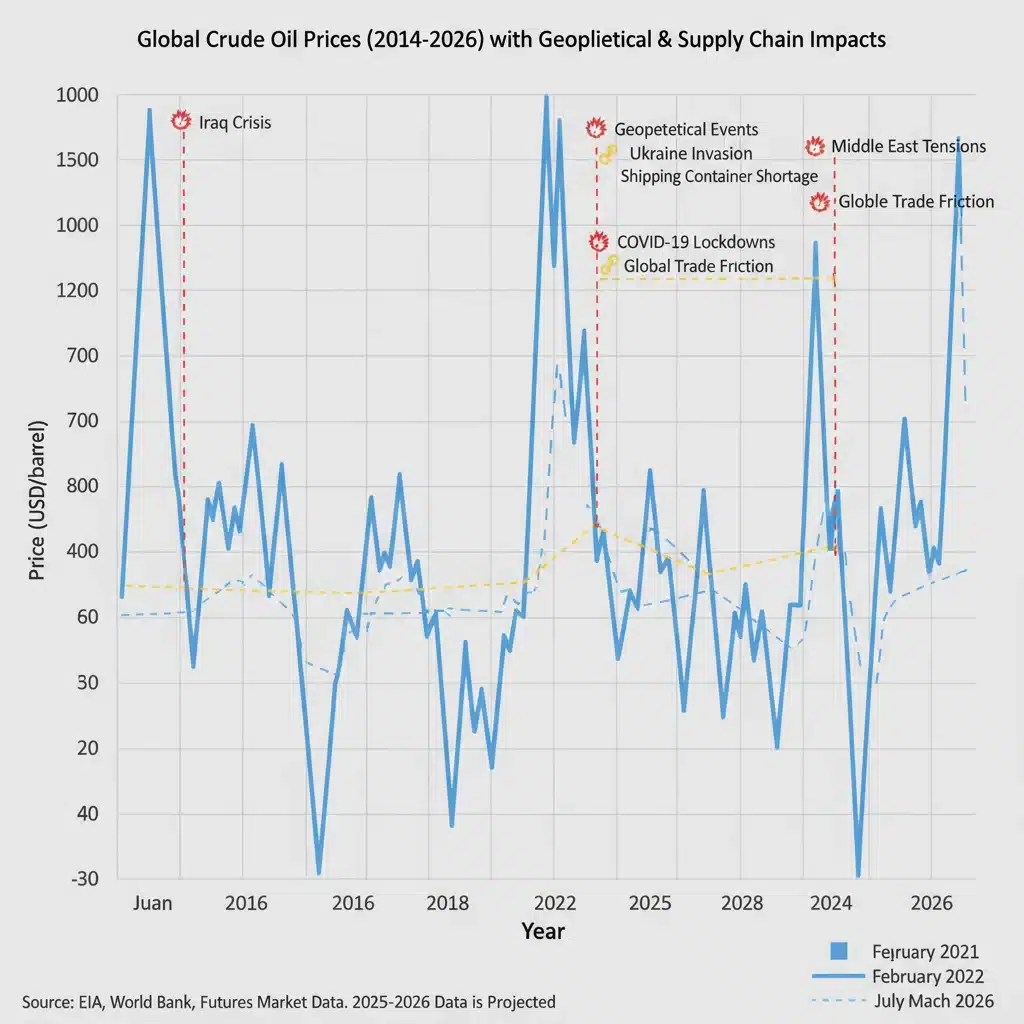
Crude oil, despite the global push for decarbonization, remains a cornerstone of the world’s energy supply. Its price fluctuations have historically sent ripples through global economies, and 2026 is unlikely to be an exception. Several key factors are expected to contribute to continued oil price volatility:
Anúncios
- Geopolitical Instability: Conflicts in major oil-producing regions, sanctions, and shifting alliances can significantly disrupt supply chains and production capacities. The Middle East, Eastern Europe, and parts of Africa remain hotspots that could trigger sudden price spikes or drops. The threat of supply disruptions, whether real or perceived, will keep markets on edge.
- OPEC+ Decisions: The Organization of the Petroleum Exporting Countries and its allies (OPEC+) continue to wield considerable influence over global oil supply. Their production quotas and strategic decisions, often influenced by internal politics and market assessments, will directly impact crude prices. Predicting these decisions can be challenging, adding another layer of uncertainty to energy market dynamics.
- Global Economic Growth: The health of the global economy is a primary driver of oil demand. Robust economic growth in major consuming nations, particularly China and India, will boost demand, potentially pushing prices higher. Conversely, economic slowdowns or recessions could lead to decreased demand and lower prices. The post-pandemic recovery trajectory and inflation concerns will play a critical role.
- Strategic Petroleum Reserves (SPR): Decisions by major consuming nations, such as the United States, to release oil from their strategic reserves can temporarily alleviate supply shortages and dampen price increases. However, such actions are often short-term fixes and can create their own market distortions.
- Investment in Upstream Capacity: Years of underinvestment in new oil exploration and production, partly due to the energy transition narrative and ESG pressures, could lead to tighter supplies in the medium term. If demand outstrips available capacity, prices could surge. This is a critical element when analyzing energy market dynamics.
- Technological Advancements in Extraction: While the focus is on renewables, advancements in extraction technologies, such as enhanced oil recovery or new shale drilling techniques, could bring more supply online, potentially capping price increases. However, environmental regulations and public sentiment might limit the deployment of such technologies.
Forecasting oil prices is notoriously difficult, but a scenario of continued volatility, characterized by sharp swings in response to both fundamental and speculative factors, seems highly probable for 2026. Businesses and governments must develop robust strategies to mitigate the risks associated with this instability, including hedging, diversification, and investing in energy efficiency.
The Irreversible Momentum: The Shift to Renewables
While oil continues to command attention, the most profound transformation in energy market dynamics is the accelerating shift towards renewable energy. This transition is not merely an environmental imperative; it is an economic and technological revolution. By 2026, renewable energy sources are expected to account for an even larger share of global electricity generation and overall energy supply.
Drivers of Renewable Energy Growth:
- Falling Costs: The levelized cost of electricity (LCOE) for solar photovoltaic (PV) and wind power has plummeted over the past decade, making them competitive, and often cheaper, than new fossil fuel power plants in many regions. This economic advantage is a powerful driver of adoption.
- Technological Innovation: Continuous advancements in solar panel efficiency, wind turbine design, battery storage technology, and smart grid solutions are enhancing the performance and reliability of renewables. Innovations in green hydrogen production and carbon capture technologies are also gaining traction.
- Policy Support and Incentives: Governments worldwide are implementing ambitious climate policies, including carbon pricing, renewable energy mandates, tax credits, and subsidies, to accelerate the energy transition. International agreements and national net-zero targets provide a strong policy framework for renewable deployment.
- Corporate Demand: A growing number of corporations are committing to 100% renewable energy targets, driven by ESG (Environmental, Social, and Governance) considerations, brand reputation, and cost savings. This corporate demand is creating a significant market for renewable energy projects.
- Energy Security Concerns: The volatility of fossil fuel prices and geopolitical risks associated with their supply have spurred many nations to prioritize energy independence through indigenous renewable resources. This quest for energy security is a major factor in shaping energy market dynamics.
- Public Awareness and Pressure: Increasing public awareness of climate change and environmental degradation is putting pressure on governments and businesses to adopt cleaner energy solutions. Consumer preferences are also shifting towards sustainable products and services.
Key Renewable Technologies in Focus for 2026:
By 2026, several renewable technologies will be at the forefront of the energy transition:
- Solar Power: Both utility-scale solar farms and distributed rooftop solar installations will continue their rapid expansion. Advancements in perovskite solar cells and bifacial modules promise even greater efficiency.
- Wind Power: Onshore and offshore wind capacity will grow substantially, with larger and more efficient turbines capturing more energy. Floating offshore wind technology will open up new development areas.
- Battery Storage: The deployment of utility-scale battery storage, primarily lithium-ion, will be crucial for integrating intermittent renewables into the grid, enhancing grid stability, and enabling peak shaving. Research into alternative battery chemistries is also progressing.
- Green Hydrogen: Production of green hydrogen, generated through electrolysis powered by renewable electricity, is expected to scale up, offering a decarbonization pathway for hard-to-abate sectors like heavy industry, shipping, and aviation.
- Geothermal Energy: Enhanced geothermal systems (EGS) and other innovations could unlock significant geothermal potential in more regions, providing a reliable baseload renewable power source.
The shift to renewables is not without its challenges, including grid modernization, intermittency issues, land use concerns, and supply chain dependencies for critical minerals. However, the momentum is undeniable, making it a central pillar of future energy market dynamics.
Geopolitical Chessboard: Impact on Energy Markets
Geopolitics will continue to exert a powerful influence on energy market dynamics in 2026. The interplay between nations, their strategic interests, and their resource endowments will shape everything from supply routes to investment flows.
Key Geopolitical Factors:
- Energy Security vs. Climate Action: Many nations face a dilemma between ensuring immediate energy security, often relying on fossil fuels, and pursuing long-term climate goals. This tension can lead to conflicting policies and market uncertainties.
- Resource Nationalism: Countries with significant fossil fuel reserves may increasingly assert control over their resources, potentially impacting global supply and pricing. This could manifest in nationalization efforts or altered export policies.
- Technological Competition: The race for dominance in renewable energy technologies, battery storage, and smart grid solutions is a new arena for geopolitical competition. Nations investing heavily in R&D and manufacturing capacity will gain strategic advantages.
- Trade Wars and Sanctions: Trade disputes and sanctions imposed on energy-producing or consuming nations can disrupt supply chains, alter trade flows, and create regional energy imbalances, significantly affecting energy market dynamics.
- International Cooperation: Collaborative efforts on climate change, such as the Paris Agreement, will continue to influence national energy policies and encourage cross-border renewable energy projects and grid interconnections.
- Critical Minerals Supply Chains: The increasing reliance on critical minerals (e.g., lithium, cobalt, rare earths) for renewable technologies and batteries introduces new geopolitical vulnerabilities. Control over these supply chains will be a strategic priority for many nations.
The geopolitical landscape of 2026 will be characterized by a delicate balance between competition and cooperation, with energy remaining a central theme in international relations. Understanding these complex interactions is vital for predicting future energy market dynamics.
Investment Trends and Opportunities in the Evolving Energy Market
The dramatic shifts in energy market dynamics present both risks and unprecedented investment opportunities. Capital flows are increasingly moving away from traditional fossil fuel projects towards sustainable energy solutions.
Emerging Investment Areas:
- Renewable Energy Infrastructure: Significant investments are flowing into the development of new solar and wind farms, hydropower projects, and geothermal plants. This includes both utility-scale projects and distributed generation.
- Energy Storage Solutions: Battery manufacturing, grid-scale storage projects, and residential energy storage systems are attracting substantial capital due to their critical role in grid stability and renewable integration.
- Grid Modernization and Smart Grids: Investments in upgrading aging electricity grids, implementing smart grid technologies, and developing digital solutions for energy management are essential for a resilient and efficient energy system.
- Green Hydrogen Ecosystem: Funding for electrolyzer manufacturing, green hydrogen production facilities, transportation infrastructure, and end-use applications (e.g., industrial processes, fuel cells) is rapidly expanding.
- Electric Vehicle (EV) Charging Infrastructure: The accelerating adoption of EVs necessitates massive investments in charging networks, from public fast chargers to home charging solutions.
- Energy Efficiency and Demand-Side Management: Technologies and services that improve energy efficiency in buildings, industry, and transportation, along with demand-side response programs, offer attractive investment returns.
- Carbon Capture, Utilization, and Storage (CCUS): While controversial for some, CCUS technologies are seen by many as crucial for decarbonizing heavy industries and achieving net-zero targets, attracting significant R&D and project funding.
Investors are increasingly scrutinizing the ESG credentials of energy projects, favoring those with strong sustainability profiles. Green bonds, impact investing, and sustainable finance mechanisms are playing a larger role in channeling capital towards the energy transition. However, traditional energy companies are also adapting, often investing in renewable portfolios and exploring new low-carbon business models.
The Role of Technology in Shaping Energy Market Dynamics
Technology is not just an enabler but a primary driver of the evolving energy market dynamics. Breakthroughs across various domains are continuously reshaping how energy is produced, distributed, and consumed.

Key Technological Advancements:
- Artificial Intelligence (AI) and Machine Learning (ML): AI and ML are optimizing grid operations, forecasting energy demand and renewable generation, managing energy storage, and predicting equipment failures, leading to greater efficiency and reliability.
- Internet of Things (IoT): IoT devices are enabling smart homes, smart buildings, and smart grids, allowing for real-time monitoring and control of energy consumption, facilitating demand-side management.
- Advanced Materials: Research into new materials is leading to more efficient solar cells, lighter and stronger wind turbine blades, and higher-capacity, faster-charging batteries.
- Digital Twins: Creating digital replicas of physical assets (e.g., power plants, grid infrastructure) allows for simulation, optimization, and predictive maintenance, enhancing operational efficiency.
- Blockchain Technology: While still nascent, blockchain could potentially enable peer-to-peer energy trading, enhance transparency in carbon markets, and secure energy data.
- Modular Nuclear Reactors (SMRs): Small Modular Reactors (SMRs) are emerging as a potential low-carbon, baseload power source, offering greater flexibility and safety compared to traditional nuclear plants. Their development could significantly alter future energy market dynamics.
These technological innovations are not only making renewable energy more viable but also creating a more interconnected, intelligent, and resilient energy system. The pace of technological change means that the energy landscape will continue to evolve rapidly, demanding constant adaptation and foresight.
Challenges and Opportunities for 2026 and Beyond
The journey through the evolving energy market dynamics of 2026 is fraught with challenges, yet brimming with opportunities for those prepared to innovate and adapt.
Major Challenges:
- Grid Modernization: Integrating a high share of intermittent renewables requires significant investment in grid infrastructure, including smart grid technologies, transmission lines, and energy storage.
- Energy Equity and Access: Ensuring that the energy transition benefits all segments of society, and that energy remains affordable and accessible, is a critical social challenge.
- Supply Chain Resilience: The global supply chains for renewable energy components and critical minerals are vulnerable to geopolitical risks and disruptions, requiring diversification and strategic planning.
- Policy Coherence: Developing consistent and long-term energy policies that balance economic growth, energy security, and environmental protection remains a complex task for governments.
- Workforce Transition: The shift from fossil fuels to renewables requires a massive retraining and upskilling of the workforce to fill new jobs in the clean energy sector.
Significant Opportunities:
- Economic Growth and Job Creation: The clean energy transition is a powerful engine for economic growth, creating millions of new jobs in manufacturing, installation, R&D, and services.
- Technological Leadership: Nations and companies that lead in developing and deploying advanced energy technologies will gain a competitive edge in the global market.
- Improved Air Quality and Public Health: Reducing reliance on fossil fuels leads to cleaner air, fewer respiratory illnesses, and overall better public health outcomes.
- Enhanced Energy Security: Diversifying energy sources and relying more on indigenous renewables reduces dependence on volatile international fossil fuel markets.
- Climate Mitigation: The successful transition to a low-carbon energy system is fundamental to achieving global climate goals and mitigating the most severe impacts of climate change.
The intricate dance between oil price volatility and the powerful current of renewable energy adoption defines the energy market dynamics of 2026. While the path forward is complex, the imperative to transition to a sustainable, secure, and affordable energy future is clearer than ever. Proactive engagement, strategic investments, and robust policy frameworks will be essential to navigate this transformative period successfully.
Conclusion: A Future Forged in Transition
As we look ahead to 2026, the global energy market dynamics are undeniably in a state of profound transformation. The days of predictable, fossil-fuel-dominated energy landscapes are receding, replaced by a dynamic, multi-faceted system where volatility is the norm and innovation is the driving force. Oil prices will continue their unpredictable dance, influenced by a myriad of geopolitical and economic factors, demanding vigilance and strategic hedging from market participants.
Simultaneously, the inexorable march of renewable energy, propelled by ever-decreasing costs, technological advancements, and urgent climate mandates, will redefine power generation and consumption patterns. This dual reality—persistent fossil fuel influence alongside rapid renewable growth—creates a complex but exciting environment. The challenges of grid modernization, supply chain resilience, and ensuring equitable access to energy are substantial, yet they are dwarfed by the immense opportunities for economic growth, technological leadership, and a healthier planet.
Navigating these shifting sands requires foresight, adaptability, and a commitment to sustainable practices. Stakeholders across governments, industries, and civil society must collaborate to accelerate the energy transition, mitigate risks, and harness the full potential of clean energy solutions. The decisions made and investments undertaken in 2026 will undoubtedly shape the energy future for decades to come, marking it as a critical juncture in the global quest for a sustainable and secure energy paradigm. Understanding these energy market dynamics is not just an academic exercise; it is a prerequisite for thriving in the evolving global economy.