
Understanding Medicaid Expansion: What the Latest 2026 Policy Shifts Mean for Your Healthcare Coverage and Enrollment
The landscape of healthcare in the United States is constantly evolving, and for millions of Americans, Medicaid plays a critical role in ensuring access to essential medical services. As we look towards 2026, significant policy shifts surrounding Medicaid expansion are on the horizon, promising to reshape eligibility, coverage, and the overall healthcare experience for many. Understanding these changes is not just important; it’s crucial for individuals, families, and healthcare providers alike to prepare and adapt. This comprehensive guide will delve into the intricacies of the upcoming Medicaid expansion 2026 policies, dissecting their potential impact on your healthcare coverage and outlining the steps you need to take for seamless enrollment.
Anúncios
For decades, Medicaid has served as a cornerstone of the nation’s healthcare safety net, providing low-cost or free health coverage to low-income individuals and families, pregnant women, the elderly, and people with disabilities. The Affordable Care Act (ACA) of 2010 introduced the option for states to expand their Medicaid programs, extending eligibility to nearly all non-elderly adults with incomes up to 138% of the federal poverty level (FPL). While many states embraced this expansion, others initially opted out. However, the ongoing discourse and evolving needs of the population mean that policies are perpetually under review and subject to change. The year 2026 marks another pivotal moment in this ongoing narrative, bringing with it new considerations and potential modifications that could profoundly affect millions.
The Genesis of Medicaid Expansion: A Brief History
To fully grasp the implications of Medicaid expansion 2026, it’s beneficial to revisit the origins and evolution of Medicaid itself. Established in 1965 alongside Medicare, Medicaid was designed as a joint federal and state program. Its initial scope was limited, primarily serving specific categories of low-income individuals. Over the years, various legislative acts expanded its reach, but none as significantly as the ACA.
Anúncios
The ACA’s provision for Medicaid expansion was a game-changer. It aimed to cover millions of uninsured Americans by offering federal funding to states that chose to expand their programs. While the Supreme Court later made this expansion optional for states, many have since adopted it, recognizing the significant benefits for their populations and economies. States that expanded Medicaid have generally seen lower uninsured rates, improved access to care, and better health outcomes for their residents. The federal government covers a substantial portion of the expansion costs, making it an attractive option for states looking to bolster their healthcare infrastructure.
The discussions leading up to Medicaid expansion 2026 are rooted in ongoing efforts to refine and optimize this critical program. These discussions often revolve around sustainability, efficiency, and ensuring that the program continues to meet the evolving healthcare needs of a diverse population. Factors such as demographic shifts, advancements in medical technology, and economic fluctuations all play a role in shaping future policy decisions. Understanding this historical context provides a clearer lens through which to view the upcoming changes.
Key Policy Shifts Expected in Medicaid Expansion 2026
While the exact details are still being finalized, several key policy shifts are anticipated to take effect with Medicaid expansion 2026. These changes could impact everything from eligibility criteria to the types of services covered and the administrative processes involved. It’s essential to stay informed as these policies develop, as they could directly affect your access to healthcare.
Potential Changes to Eligibility Criteria
One of the most significant areas of focus for Medicaid expansion 2026 is eligibility. There might be adjustments to the income thresholds, potentially expanding coverage to a broader range of low-income individuals or, conversely, introducing stricter requirements in some states. Some proposals suggest a more nuanced approach to income assessment, possibly taking into account regional living costs or specific household compositions more accurately. For instance, there could be a push to standardize eligibility across all states, or to introduce new categories of individuals who qualify based on specific health conditions or life circumstances. Keeping an eye on state-specific announcements will be crucial, as states often have some flexibility within federal guidelines.
Updates to Covered Services and Benefits
Another critical aspect of Medicaid expansion 2026 concerns the scope of covered services. While Medicaid already provides comprehensive benefits, including doctor visits, hospital care, prescription drugs, and mental health services, there may be updates to reflect current healthcare priorities. This could include increased emphasis on preventive care, telehealth services, or long-term care options. For example, there’s growing advocacy for enhanced behavioral health services and substance use disorder treatment, which could see more robust coverage under the new policies. Additionally, with advancements in medical technology, new treatments and therapies might be integrated into the standard benefits package. Patients and providers should review updated benefit schedules carefully to understand any changes to their healthcare options.
Administrative and Enrollment Process Reforms
Beyond eligibility and benefits, Medicaid expansion 2026 may also bring reforms to the administrative and enrollment processes. The goal is often to streamline these procedures, making it easier for eligible individuals to apply and maintain their coverage. This could involve simplified application forms, enhanced online portals, or better coordination between state agencies. For example, some states might implement automatic enrollment mechanisms for individuals transitioning from other public assistance programs, reducing bureaucratic hurdles. The aim is to reduce the administrative burden on both applicants and state resources, ultimately making the system more efficient and user-friendly. These process improvements are vital for ensuring that those who need coverage can access it without unnecessary delays or complications.
Impact on Your Healthcare Coverage
The upcoming Medicaid expansion 2026 policies will undoubtedly have a profound impact on healthcare coverage across the nation. Whether you are currently enrolled in Medicaid, are considering applying, or are a healthcare provider, understanding these effects is paramount. The changes could mean new opportunities for coverage, adjustments to existing benefits, or shifts in how you access care.
For Current Medicaid Beneficiaries
If you are currently enrolled in Medicaid, the 2026 policy shifts could bring several changes. While your existing coverage is unlikely to be abruptly terminated, you might experience adjustments to your benefit package, your primary care provider network, or even the administrative processes for renewals. It’s crucial to stay vigilant for communications from your state Medicaid agency. These communications will detail any changes to your eligibility, benefits, or required actions for maintaining your coverage. For example, some states might introduce new managed care organizations, requiring beneficiaries to choose a new health plan. Staying informed and proactive will ensure a smooth transition and uninterrupted access to care.
For Individuals Seeking New Coverage
For those currently uninsured or underinsured, Medicaid expansion 2026 could open new pathways to comprehensive healthcare coverage. Revised eligibility criteria might mean that individuals who previously didn’t qualify could now be eligible. This is particularly relevant in states that have been slower to adopt full Medicaid expansion or those that might adjust their income thresholds. If you’ve considered applying for Medicaid in the past but were denied, 2026 might be the year to re-evaluate your options. The expansion aims to reduce the number of uninsured Americans, providing essential services to those who need them most. Keep an eye on federal and state government websites for updated eligibility guidelines and application windows.
Implications for Healthcare Providers and Systems
Healthcare providers and systems also stand to be significantly impacted by Medicaid expansion 2026. Increased enrollment often translates to a higher demand for services, potentially leading to greater financial stability for hospitals and clinics that serve a large Medicaid population. However, it also necessitates adjustments in staffing, resource allocation, and administrative procedures to accommodate the influx of new patients. Providers might also see changes in reimbursement rates or reporting requirements. Understanding these shifts will be vital for healthcare organizations to plan effectively, ensuring they can continue to deliver high-quality care efficiently to all beneficiaries.

Navigating the Enrollment Process in 2026
Understanding the policy shifts is one thing; navigating the enrollment process is another. With Medicaid expansion 2026, there might be new or refined procedures that applicants need to follow. Being prepared can make all the difference in securing your healthcare coverage without unnecessary delays.
Who is Eligible? Re-evaluating Income and Household Size
The primary determinant for Medicaid eligibility is income relative to the Federal Poverty Level (FPL), along with household size. With Medicaid expansion 2026, it’s crucial to re-evaluate these factors. Even if you were deemed ineligible in previous years, new thresholds or calculation methods could change your status. States that have expanded Medicaid typically cover adults with incomes up to 138% of the FPL. However, non-expansion states often have much stricter eligibility criteria, usually limited to specific categories like pregnant women, children, and individuals with disabilities. It’s important to check your state’s specific guidelines, as they can vary. Tools like online eligibility screeners on state Medicaid websites or HealthCare.gov can provide a preliminary assessment of your potential eligibility. Be prepared to provide documentation for all household income sources and dependents.
Required Documentation for Application
Regardless of whether you’re a new applicant or renewing your coverage, having the correct documentation ready will expedite the process. Typically, you’ll need proof of identity (e.g., driver’s license, state ID), proof of U.S. citizenship or eligible immigration status (e.g., birth certificate, passport, green card), proof of residency (e.g., utility bill, lease agreement), and proof of income (e.g., pay stubs, tax returns, unemployment benefits statements). For Medicaid expansion 2026, there might be additional requirements or updated forms, so always refer to the most current guidelines provided by your state’s Medicaid agency. Organizing these documents beforehand will prevent delays and multiple submissions.
Where and How to Apply
The application process for Medicaid can generally be completed through several channels. You can apply online via your state’s Medicaid website or through the HealthCare.gov marketplace. Many states also offer paper applications that can be mailed or submitted in person at local Medicaid offices or social services agencies. For those who need assistance, community organizations, navigators, and certified application counselors are often available to provide free help with the application process. As Medicaid expansion 2026 rolls out, look for updated resources and support services in your area. Applying through the correct channel and ensuring all information is accurate and complete are vital steps to a successful enrollment.
The Broader Implications of Medicaid Expansion 2026
The impact of Medicaid expansion 2026 extends far beyond individual beneficiaries and healthcare providers. These policy shifts have significant broader implications for public health, state economies, and the overall healthcare system.
Public Health Outcomes
One of the most compelling arguments for Medicaid expansion is its positive effect on public health outcomes. When more people have access to health insurance, they are more likely to seek preventive care, manage chronic conditions, and receive timely treatment for acute illnesses. This leads to reductions in emergency room visits for preventable conditions, lower rates of uncompensated care, and improved overall community health. The Medicaid expansion 2026 could further bolster these gains, particularly if it targets underserved populations or enhances coverage for critical services like mental health and substance abuse treatment. Healthier populations contribute to more productive workforces and stronger communities.
Economic Impact on States
From an economic perspective, Medicaid expansion has consistently shown to be a net positive for states. While states incur some costs, the significant federal funding (typically covering 90% or more of expansion costs) brings substantial federal dollars into state economies. This influx of funds supports healthcare jobs, stimulates local businesses, and reduces the burden of uncompensated care on hospitals, which often translates to financial stability for healthcare systems. The Medicaid expansion 2026 could represent another wave of economic benefits for participating states, potentially leading to job creation and economic growth in the healthcare sector and beyond. States that choose to expand or further refine their programs often see a positive return on investment, both in terms of health and economic vitality.
Challenges and Opportunities
Despite the numerous benefits, Medicaid expansion 2026 also presents challenges. States may grapple with administrative complexities, workforce shortages in healthcare, and the ongoing need to manage program costs effectively. There’s also the political dimension, as decisions around Medicaid expansion often become subjects of intense debate. However, these challenges also present opportunities for innovation. States can explore new models of care delivery, leverage technology to improve efficiency, and implement strategies to address social determinants of health. The ongoing evolution of Medicaid encourages continuous improvement and adaptation to meet the dynamic needs of the population. Collaborative efforts between federal and state governments, healthcare organizations, and community stakeholders will be essential to maximize the opportunities presented by these policy shifts.
Staying Informed and Prepared
Given the potential for significant changes with Medicaid expansion 2026, staying informed is your best defense against unexpected disruptions to your healthcare coverage. Proactive engagement with available resources can make a substantial difference in navigating the evolving landscape.
Official Sources for Information
Always prioritize official government sources for the most accurate and up-to-date information. The Centers for Medicare & Medicaid Services (CMS) website (cms.gov) is an invaluable resource for federal policy updates. For state-specific information, visit your state’s official Medicaid website or Department of Health Services portal. These sites will provide details on eligibility criteria, application processes, and covered benefits relevant to your location. Avoid relying solely on unofficial news sources, as information can sometimes be misinterpreted or outdated. Subscribing to newsletters or alerts from these official bodies can ensure you receive timely updates directly.
Connecting with Navigators and Community Resources
For personalized assistance, consider reaching out to healthcare navigators or local community organizations. These individuals and groups are specifically trained to help people understand their healthcare options, apply for coverage, and resolve any issues they might encounter. They can offer guidance on eligibility for Medicaid expansion 2026, help gather necessary documentation, and walk you through the application process step-by-step. Many non-profit organizations and public health departments offer these services for free. A quick search for “Medicaid assistance near me” or “ACA navigators [your state]” can help you find local support.
Annual Review of Your Coverage
Even if you are currently enrolled in Medicaid, it’s a good practice to conduct an annual review of your coverage, especially as we approach 2026. This means checking your eligibility, understanding your benefits, and ensuring all your personal information is up-to-date with your state Medicaid agency. Life changes, such as shifts in income, household size, or residency, can affect your eligibility. Proactively updating this information helps prevent coverage gaps and ensures you continue to receive the benefits you are entitled to under Medicaid expansion 2026. Don’t wait until a problem arises; regular check-ups on your coverage status are key to maintaining continuous access to care.
Conclusion: Preparing for the Future of Medicaid
The upcoming Medicaid expansion 2026 policy shifts represent a significant moment in the ongoing effort to ensure accessible and affordable healthcare for all Americans. While the specifics are still unfolding, it is clear that these changes will have a broad impact on eligibility, covered services, and the administrative processes for millions. For individuals and families, staying informed about potential adjustments to income thresholds and benefit packages is paramount. For healthcare providers, understanding the implications for patient volume and reimbursement structures will be crucial for effective planning and service delivery.
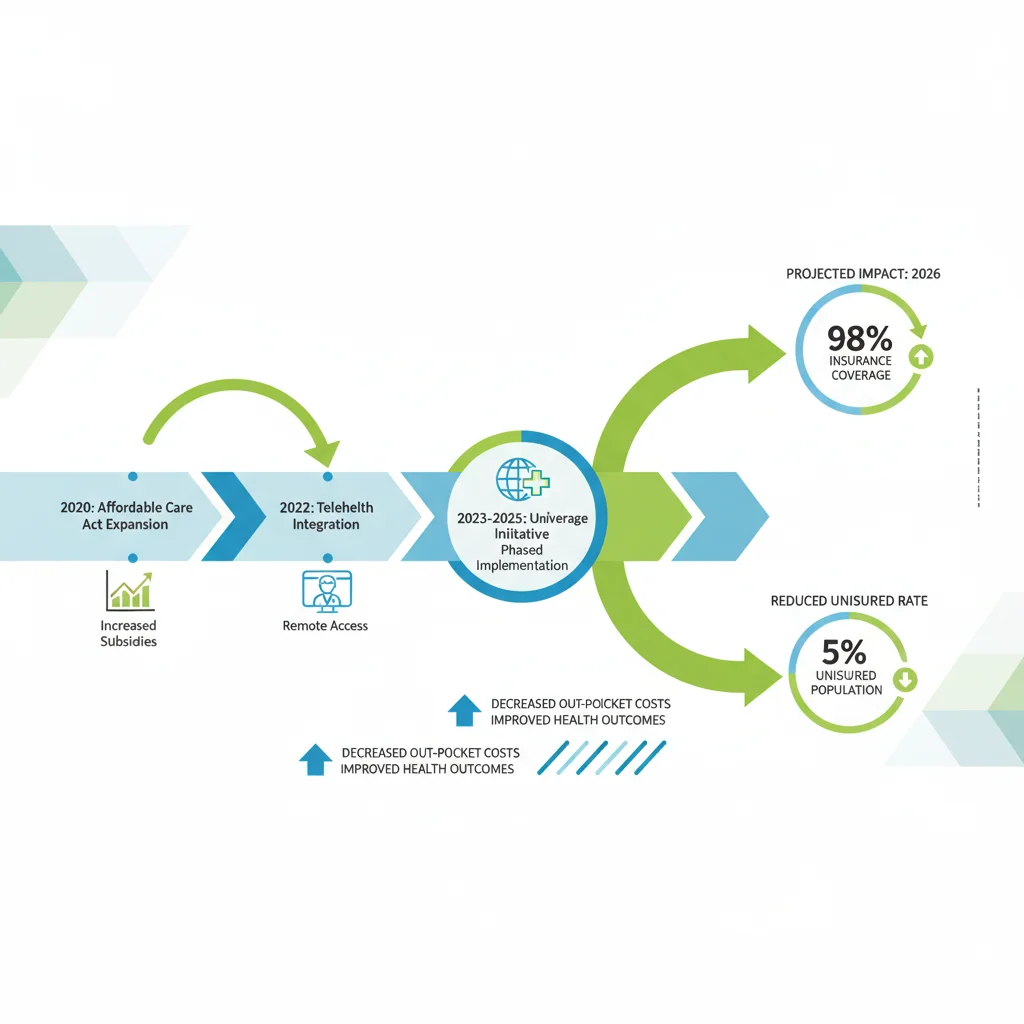
By proactively seeking information from official sources, utilizing available community resources, and regularly reviewing your coverage status, you can navigate the evolving landscape of Medicaid with confidence. The goal of Medicaid expansion 2026, as with previous iterations, is to strengthen the healthcare safety net, reduce the number of uninsured, and ultimately improve public health outcomes across the nation. Your preparedness is a key component in realizing these benefits. Engage with the information, ask questions, and ensure that you and your loved ones are positioned to take full advantage of the healthcare coverage opportunities that lie ahead.
The journey through healthcare policy can be complex, but with diligent attention to updates and a proactive approach to enrollment and management, the promise of comprehensive healthcare coverage through Medicaid can remain a reality for those who need it most.