Medicaid Expansion 2026: New Eligibility Rules & Your Healthcare

Anúncios
As we approach 2026, the landscape of healthcare in the United States continues to evolve, with significant attention turning to the future of Medicaid. The concept of Medicaid Expansion 2026 is not just a policy discussion; it’s a critical component of healthcare access for millions of Americans. Understanding the nuances of these potential changes, particularly concerning new eligibility rules, is paramount for individuals, families, healthcare providers, and policymakers alike. This comprehensive guide aims to demystify Medicaid expansion, explore what 2026 might bring, and outline how these shifts could impact your healthcare journey.
Anúncios
The Foundation: What is Medicaid Expansion?
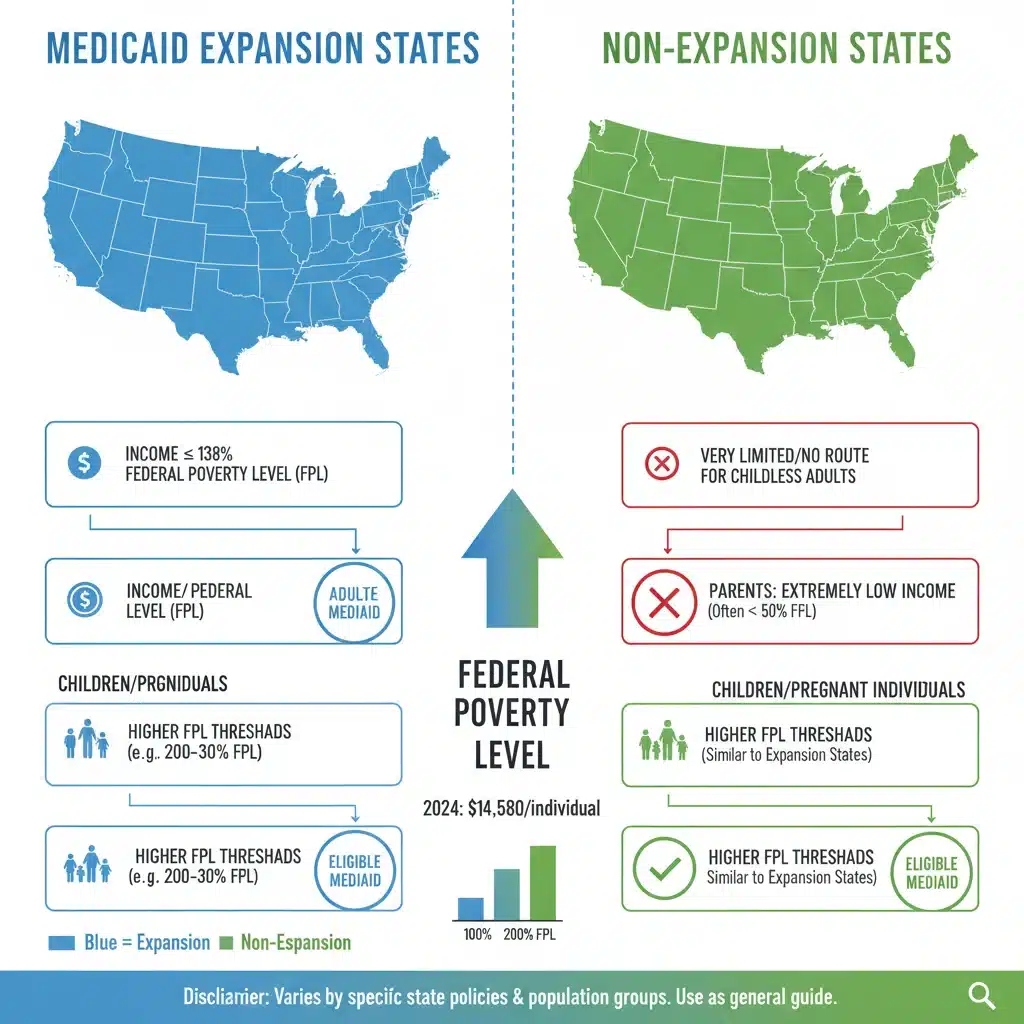
Before delving into the specifics of Medicaid Expansion 2026, it’s essential to grasp the foundational principles of Medicaid expansion as established by the Affordable Care Act (ACA) of 2010. Originally, the ACA mandated that states expand their Medicaid programs to cover nearly all non-elderly adults with incomes up to 138% of the federal poverty level (FPL). However, a 2012 Supreme Court ruling made this expansion optional for states.
Since then, a majority of states have opted to expand their Medicaid programs, significantly increasing access to healthcare for low-income adults. In these expansion states, individuals who previously fell into a ‘coverage gap’—earning too much for traditional Medicaid but too little to qualify for subsidies on the health insurance marketplace—gained access to comprehensive health coverage. Non-expansion states, however, continue to leave many low-income adults without affordable health insurance options.
The federal government provides a substantial share of the funding for Medicaid expansion, initially covering 100% of the costs for newly eligible beneficiaries, gradually decreasing to 90% by 2020 and remaining at that level. This generous federal match has been a key incentive for states to expand, offering a pathway to reduce uninsurance rates and improve health outcomes.
Anúncios
The Current State of Medicaid: A Precursor to 2026
As of late 2023, 40 states and the District of Columbia have expanded Medicaid. The decision to expand has varied widely across states, often influenced by political ideologies, economic considerations, and the specific healthcare needs of their populations. In states that have expanded, millions of individuals have gained access to vital services, including primary care, specialist visits, prescription drugs, mental health services, and substance use disorder treatment.
The impact of Medicaid expansion has been extensively studied, demonstrating reductions in uninsured rates, improvements in access to care, better health outcomes, and even positive economic effects for states. For instance, studies have shown that expansion leads to fewer emergency room visits for preventable conditions, earlier diagnosis of chronic diseases, and a decrease in medical debt.
However, the remaining non-expansion states continue to face challenges. Residents in these states often have higher rates of uninsurance, poorer health outcomes, and greater financial burdens due to medical costs. The ongoing debate in these states often centers on the fiscal implications of expansion versus the moral and public health imperative to provide coverage.
Why Focus on Medicaid Expansion 2026?
The year 2026 holds particular significance for several reasons. Firstly, the political and economic climate is constantly shifting, leading to potential legislative changes at both federal and state levels. Secondly, the long-term effects of the COVID-19 pandemic on healthcare systems and individual health needs continue to unfold, potentially prompting new policy responses. Lastly, the sunsetting of certain provisions or the reevaluation of existing healthcare policies could bring about substantial alterations to Medicaid’s structure.
Speculation around Medicaid Expansion 2026 often includes discussions about potential federal mandates, renewed incentives for non-expansion states, or even modifications to the federal matching rates. Any of these scenarios could drastically alter the landscape of eligibility and coverage nationwide. Therefore, staying informed about these potential developments is not just academic; it’s a practical necessity for anyone whose healthcare security relies on Medicaid.
Anticipated New Eligibility Rules for Medicaid Expansion 2026
While specific legislative details for Medicaid Expansion 2026 are yet to be finalized, we can anticipate several areas where new eligibility rules might emerge or existing ones could be modified. These potential changes could stem from federal legislative action, new interpretations of existing laws, or state-level policy shifts.
1. Income Threshold Adjustments
The most direct impact on eligibility often comes from changes to income thresholds. Currently set at 138% of the FPL for expansion states, this percentage could be adjusted. A federal initiative to further expand coverage might push this threshold higher, bringing more individuals into the eligibility pool. Conversely, fiscal pressures or a shift in political priorities could lead to discussions about lowering it, though this is less likely given the historical trajectory of expansion efforts.
It’s also possible that the methodology for calculating the FPL itself could be revised, which would indirectly affect Medicaid eligibility. Such changes are usually tied to broader economic indices and can have significant ripple effects on all means-tested programs.
2. Asset Limits Reevaluation
While most Medicaid expansion programs for adults do not include asset tests, traditional Medicaid for specific populations (e.g., the elderly, individuals with disabilities) often does. There could be discussions around the reintroduction or modification of asset limits for certain categories of beneficiaries under Medicaid Expansion 2026, particularly if there’s a push for more stringent eligibility criteria. However, the trend has largely been towards simplifying enrollment and reducing barriers, so significant changes here would likely face considerable opposition.
3. Work Requirements and Other Conditional Eligibility
In recent years, some states have sought to implement work requirements or other types of conditional eligibility for Medicaid beneficiaries. While many of these efforts have been challenged in court or rescinded, the concept could resurface in discussions about Medicaid Expansion 2026. If new federal legislation or waivers permit, states might again attempt to link Medicaid eligibility to employment, job training, or community engagement activities. The impact of such policies on access to care and administrative burden would be a key point of debate.
4. Special Enrollment Periods and Continuous Coverage
The COVID-19 public health emergency (PHE) introduced a continuous coverage provision for Medicaid, preventing states from disenrolling most beneficiaries during the emergency. As the PHE unwound, millions of individuals faced redeterminations and potential loss of coverage. In the context of Medicaid Expansion 2026, there might be legislative efforts to strengthen continuous coverage policies, perhaps for specific vulnerable populations, or to streamline the redetermination process to prevent eligible individuals from falling through the cracks. Similarly, new special enrollment periods might be considered for those who experience life changes that affect their income or household size.
5. Targeted Expansion for Specific Populations
Beyond broad income-based expansion, Medicaid Expansion 2026 could also see targeted efforts to cover specific populations that remain uninsured or underinsured. This could include, for example, postpartum individuals beyond the current 12-month extension in some states, justice-involved individuals transitioning back into communities, or those with specific chronic conditions. Such targeted expansions would address gaps that even the current expansion model hasn’t fully closed.
The Potential Impact of Medicaid Expansion 2026 on Your Healthcare
The implications of any changes to Medicaid Expansion 2026 are far-reaching, affecting not just individual beneficiaries but also healthcare providers, state budgets, and the overall public health landscape. Understanding these potential impacts is crucial for preparedness.
For Individuals and Families:
- Increased Access to Care: If eligibility expands, more low-income individuals and families will gain access to comprehensive health insurance, leading to better preventive care, management of chronic conditions, and reduced financial stress from medical bills.
- Improved Health Outcomes: With greater access to care, populations covered by Medicaid expansion typically experience improved health outcomes, including lower mortality rates and better management of chronic diseases.
- Financial Protection: Medicaid acts as a crucial safety net, protecting individuals from catastrophic medical debt, which is a leading cause of bankruptcy in the U.S.
- Navigational Challenges: Even with expanded eligibility, individuals may face challenges in understanding the new rules, completing enrollment processes, and finding providers who accept Medicaid.
For Healthcare Providers:
- Reduced Uncompensated Care: Hospitals and clinics in expansion states often see a significant reduction in uncompensated care costs, as more patients have insurance coverage. This can improve financial stability for healthcare systems.
- Increased Patient Volume: Expanded eligibility typically leads to an increase in patient volume, which can be both a benefit (more patients seeking necessary care) and a challenge (potential strain on existing resources).
- Administrative Adjustments: Providers will need to adapt to any new administrative requirements or changes in reimbursement structures that come with Medicaid Expansion 2026.
For States and the Federal Government:
- Budgetary Considerations: While federal funding covers a significant portion of expansion costs, states still bear a share. Any changes to federal matching rates or eligibility criteria will have direct budgetary impacts on states.
- Economic Benefits: Studies have shown that Medicaid expansion can stimulate state economies through job creation in the healthcare sector and increased consumer spending.
- Public Health Improvements: Broader coverage contributes to a healthier population, which can lead to reduced disease burden and greater productivity.
Navigating the Changes: What You Can Do
As discussions around Medicaid Expansion 2026 continue, proactive steps can help you stay informed and prepared:
1. Stay Informed Through Official Channels:
Rely on reputable sources for information. Government websites (e.g., Medicaid.gov, healthcare.gov), state Medicaid agencies, and trusted non-profit organizations specializing in health policy are the best places to find accurate updates. Avoid misinformation by cross-referencing news and policy discussions.
2. Understand Your Current Eligibility:
If you are currently enrolled in Medicaid or believe you might be eligible, make sure you understand your state’s current rules. This will help you identify any specific changes that might impact you in 2026. Keep your contact information updated with your state Medicaid agency to receive important notices about renewals or policy changes.
3. Prepare for Redeterminations:
Even if new eligibility rules for Medicaid Expansion 2026 are favorable, you will likely still need to go through periodic redetermination processes. Gather necessary documentation such as income verification, household information, and residency proof. Being prepared can prevent gaps in coverage.
4. Seek Assistance from Navigators and Enrollment Counselors:
Many organizations offer free assistance to help individuals understand their healthcare options and enroll in coverage. These navigators and enrollment counselors are invaluable resources, especially when new rules are implemented. They can clarify complex eligibility criteria and guide you through the application process.

5. Advocate for Your Healthcare Needs:
Engage with your elected officials at both state and federal levels. Share your experiences and perspectives on the importance of Medicaid expansion and affordable healthcare. Public input can play a significant role in shaping future policy decisions related to Medicaid Expansion 2026.
6. Explore All Available Options:
If you find that you may not qualify for Medicaid under new rules, or if you live in a non-expansion state, explore other options on the Health Insurance Marketplace (healthcare.gov). You may be eligible for subsidies to help cover the cost of private insurance plans, depending on your income. Additionally, community health centers often offer services on a sliding scale based on income, providing a safety net for those without insurance.
The Broader Context: Medicaid’s Role in U.S. Healthcare
Medicaid is more than just an insurance program for the poor; it is a cornerstone of the U.S. healthcare system. It covers a diverse population, including children, pregnant women, parents, individuals with disabilities, and seniors, in addition to the low-income adults covered by expansion. The program accounts for a significant portion of state budgets and plays a critical role in supporting hospitals, nursing homes, and other healthcare facilities.
The discussions surrounding Medicaid Expansion 2026 are part of a larger national conversation about healthcare affordability, access, and equity. Policy decisions made in the coming years will not only affect who gets covered but also the quality of care, the financial stability of healthcare providers, and the overall health of communities across the country.
Efforts to refine Medicaid policies continually aim to balance fiscal responsibility with the imperative to provide essential healthcare services. The program’s flexibility allows states to tailor their programs to meet local needs, but it also creates disparities in coverage and benefits between states. Future policy debates will likely continue to grapple with these complexities, seeking solutions that promote both efficiency and equitable access.
Conclusion: Preparing for the Future of Healthcare Access
As 2026 approaches, the potential for new eligibility rules under Medicaid Expansion 2026 underscores the dynamic nature of healthcare policy. While the specifics are still unfolding, the overarching goal remains to ensure that vital healthcare services are accessible to those who need them most. For individuals and families, staying informed, understanding current eligibility, and preparing for future changes are crucial steps.
The ongoing evolution of Medicaid reflects a continuous effort to address the healthcare needs of a diverse population while navigating complex economic and political landscapes. By remaining engaged and proactive, we can collectively contribute to a future where healthcare access is more secure and equitable for all. The journey to Medicaid Expansion 2026 is not just a legislative timeline; it’s a critical period for shaping the health and well-being of communities nationwide. Be prepared, stay informed, and advocate for the healthcare future you believe in.