Supply Chain Reshaping: US Manufacturing Growth Forecast (6 Months)

Anúncios
The global economic landscape is in perpetual motion, and few sectors feel this dynamism more acutely than manufacturing. In the United States, a significant transformation is underway, driven by a confluence of geopolitical shifts, technological advancements, and a renewed focus on national resilience. This reshaping of global supply chains is not merely a transient phase; it represents a fundamental recalibration that will define the trajectory of US manufacturing for years to come. Understanding the intricacies of this evolution is paramount for businesses, policymakers, and investors alike.
For decades, the pursuit of efficiency and cost reduction led to the globalization of supply chains, often extending across vast distances and numerous intermediaries. While this model delivered significant benefits, it also exposed vulnerabilities, particularly during unforeseen disruptions such as pandemics, natural disasters, and geopolitical tensions. The COVID-19 pandemic served as a stark wake-up call, highlighting the fragility of highly optimized, lean supply chains and prompting a widespread re-evaluation of sourcing strategies.
Anúncios
The current reshaping is characterized by a deliberate move towards diversification, regionalization, and in many cases, reshoring or nearshoring of manufacturing operations. This isn’t a complete abandonment of global trade, but rather a strategic rebalancing aimed at enhancing resilience, reducing lead times, and mitigating risks. For US manufacturing, this translates into both significant challenges and unprecedented opportunities. The next six months will be a crucial period, offering early indicators of the long-term impact of these shifts on domestic production, employment, and innovation. Our focus in this comprehensive analysis is to provide a detailed US Manufacturing Outlook, forecasting the potential growth and identifying the critical factors that will shape this vital sector.
The Genesis of Reshaping: Why Now?
To accurately forecast the US Manufacturing Outlook, it’s essential to understand the forces driving this profound supply chain transformation. While the pandemic was a catalyst, several underlying currents have been at play for much longer:
Anúncios
Geopolitical Tensions and Trade Policies
Increasing geopolitical friction, particularly between major economic powers, has spurred nations to prioritize national security and economic sovereignty. Trade disputes, tariffs, and export controls have created an environment where reliance on single-source suppliers in potentially adversarial regions is viewed as a significant risk. This has encouraged companies to seek alternative sourcing options and to invest in domestic production capabilities.
Technological Advancements and Automation
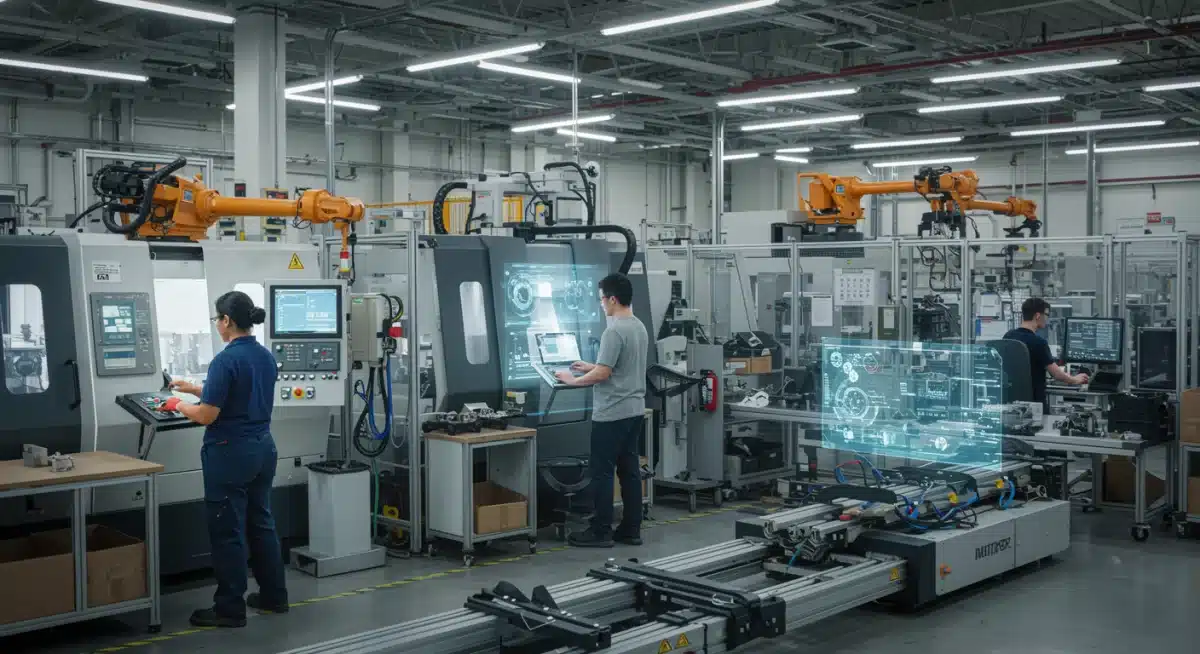
The rise of advanced manufacturing technologies, including automation, robotics, artificial intelligence (AI), and additive manufacturing (3D printing), is fundamentally altering the economics of production. These technologies can reduce labor costs, improve efficiency, and enable greater customization, making domestic manufacturing more competitive even in high-wage economies like the United States. Furthermore, automation can mitigate the impact of labor shortages, a persistent challenge in many manufacturing sectors.
Sustainability and ESG Pressures
Growing consumer and regulatory pressure for sustainable practices and environmental, social, and governance (ESG) compliance is also influencing supply chain decisions. Shorter, more localized supply chains can often reduce carbon footprints associated with transportation and allow for greater oversight of labor practices and environmental standards. This aligns with many companies’ broader ESG objectives, making regionalized production an attractive option.
Demand Volatility and Consumer Expectations
Modern consumers expect faster delivery times and greater product customization. Long, complex global supply chains struggle to adapt quickly to sudden shifts in demand or personalized orders. Nearshoring or reshoring allows manufacturers to be more agile, responsive to market changes, and closer to their end customers, thereby enhancing customer satisfaction and competitive advantage. The ability to pivot quickly is a key differentiator in today’s fast-paced market.
Current State of US Manufacturing: A Snapshot
Before delving into the forecast, let’s examine the current health of US manufacturing. Recent data indicates a mixed but generally resilient picture. While some sectors have faced headwinds from inflation, high interest rates, and fluctuating demand, others are experiencing a resurgence. The Purchasing Managers’ Index (PMI) data, industrial production figures, and manufacturing employment statistics offer valuable insights.
Key Indicators:
- Industrial Production: After a period of post-pandemic recovery, industrial production has shown signs of stabilization, with some sectors demonstrating robust growth. The emphasis on critical goods and advanced manufacturing is particularly notable.
- Manufacturing Employment: While overall employment has seen gains, the manufacturing sector continues to grapple with skilled labor shortages. This underscores the importance of workforce development initiatives and technological adoption.
- Capacity Utilization: Capacity utilization rates provide a measure of how efficiently manufacturers are using their existing assets. Fluctuations here can indicate potential for future investment or a need for optimization.
- New Orders and Backlogs: These indicators offer a forward-looking view. Strong new order growth suggests future production, while persistent backlogs can indicate supply constraints or high demand.
The prevailing sentiment among many US manufacturers is one of cautious optimism. There’s a clear understanding that the landscape is changing, and those who adapt strategically will be best positioned for growth. The focus is increasingly on building more robust, adaptable, and technologically advanced domestic capabilities.
Six-Month Forecast for US Manufacturing Growth
The next six months (from the current date) are critical for observing the crystallization of these supply chain reshaping trends into tangible outcomes for US manufacturing. Our US Manufacturing Outlook predicts a period of continued, albeit uneven, growth, driven by specific sectoral strengths and strategic investments.
Sector-Specific Projections:
- Advanced Manufacturing (Semiconductors, EV Batteries, Aerospace & Defense): This sector is poised for significant expansion. Government incentives, such as the CHIPS and Science Act, are catalyzing massive investments in semiconductor fabrication plants. Similarly, the push for electric vehicles (EVs) is driving battery manufacturing and associated supply chains onshore. The aerospace and defense industries, bolstered by geopolitical realities and technological innovation, will also see sustained demand and production.
- Critical Minerals and Materials Processing: As the US aims to reduce reliance on foreign sources for critical inputs, investment in domestic mining, refining, and processing of materials essential for high-tech manufacturing will accelerate. This includes rare earth elements, lithium, and other strategic minerals.
- Pharmaceuticals and Medical Devices: The lessons learned from the pandemic regarding medical supply chain vulnerabilities are leading to increased domestic production of essential medicines, active pharmaceutical ingredients (APIs), and medical devices. This sector will likely experience steady growth as companies prioritize national health security.
- Automotive (Traditional & EV Components): While the transition to EVs presents challenges for traditional internal combustion engine (ICE) component manufacturers, it also creates immense opportunities for new supply chains. We expect continued investment in EV component manufacturing, battery production, and charging infrastructure components.
- Capital Goods and Industrial Machinery: As other sectors invest in new domestic production facilities, demand for capital goods and industrial machinery will naturally rise. This creates a positive feedback loop within the manufacturing ecosystem.
Key Growth Drivers:
- Government Incentives and Policy Support: Federal and state initiatives aimed at boosting domestic manufacturing (e.g., tax credits, subsidies, infrastructure spending) will continue to be a primary driver. These policies aim to level the playing field and mitigate the higher labor costs associated with US production.
- Technology Adoption: The accelerated adoption of Industry 4.0 technologies – AI, IoT, robotics, and advanced analytics – will enhance productivity, reduce costs, and improve competitiveness for US manufacturers. This will be crucial for maintaining a competitive edge.
- Reshoring and Nearshoring Initiatives: Companies actively relocating production back to the US or to neighboring countries (Canada, Mexico) will contribute directly to domestic output. This trend is driven by risk mitigation, faster time-to-market, and improved quality control.
- Consumer Demand for “Made in USA”: A segment of consumers and businesses increasingly prioritizes domestically produced goods, driven by patriotism, quality perception, and sustainability concerns. This creates a market pull for US-made products.
Challenges and Headwinds for US Manufacturing
Despite the optimistic outlook in several areas, the US Manufacturing Outlook is not without its challenges. Addressing these will be crucial for sustained growth over the next six months and beyond.
Persistent Labor Shortages and Skill Gaps:
The manufacturing sector continues to face a significant shortage of skilled workers, including engineers, technicians, and tradespeople. The aging workforce, coupled with a perception gap about modern manufacturing careers, exacerbates this issue. Companies will need to invest heavily in training, apprenticeships, and automation to mitigate this constraint.
Inflationary Pressures and Input Costs:
While inflation has shown signs of moderating, raw material costs, energy prices, and transportation expenses remain elevated. These higher input costs can squeeze profit margins and make US-produced goods less competitive globally, even with government incentives. Managing these costs effectively will be a constant battle for manufacturers.
Supply Chain Volatility (Despite Reshaping):
Even with efforts to diversify and localize, global supply chains remain susceptible to disruptions. Geopolitical events, extreme weather, and cybersecurity threats can still impact the availability of critical components or raw materials, leading to production delays and increased costs. Building true resilience is a long-term endeavor.
High Interest Rates and Access to Capital:
Higher interest rates can make it more expensive for manufacturers to borrow money for crucial investments in new facilities, equipment, and technology. This can slow down expansion plans and hinder the adoption of advanced manufacturing processes, particularly for smaller and medium-sized enterprises (SMEs).
Regulatory Complexity:
Navigating the complex web of environmental regulations, labor laws, and trade policies can be burdensome for manufacturers, especially those looking to expand or establish new operations. Streamlining regulatory processes while maintaining necessary standards will be important for fostering growth.
Strategies for Manufacturers to Thrive in the Next Six Months
To capitalize on the opportunities and navigate the challenges, US manufacturers must adopt proactive and strategic approaches. The next six months will reward agility, foresight, and a willingness to invest in the future.
1. Diversify Supply Chains and Build Redundancy:
Beyond reshoring, companies should focus on creating multi-source supply chains. This involves identifying alternative suppliers in different geographic regions, maintaining strategic inventories of critical components, and fostering stronger relationships with a wider network of vendors. The goal is not just cost-efficiency but resilience.
2. Invest in Automation and Advanced Technologies:
Embracing Industry 4.0 technologies – AI, IoT, robotics, and advanced analytics – will enhance productivity, reduce reliance on scarce labor, enhance quality control, and enable greater flexibility in production. This will be a key differentiator in the US Manufacturing Outlook.
3. Focus on Workforce Development and Training:
To address skill gaps, manufacturers must collaborate with educational institutions, implement robust internal training programs, and promote apprenticeships. Attracting younger generations to manufacturing careers through improved perceptions and competitive compensation will be vital. Retraining existing employees for new technologies is equally important.
4. Leverage Government Incentives and Partnerships:
Companies should actively explore and utilize federal and state programs designed to support domestic manufacturing. This includes grants, tax credits, and participation in public-private partnerships aimed at strengthening critical supply chains. Staying informed about policy changes can unlock significant financial and strategic advantages.
5. Prioritize Sustainability and Circular Economy Principles:
Integrating sustainable practices into manufacturing processes can lead to long-term cost reductions, improved brand reputation, and compliance with evolving ESG regulations. This includes optimizing energy consumption, reducing waste, and exploring circular economy models where materials are reused and recycled.
6. Enhance Data Analytics and Predictive Capabilities:
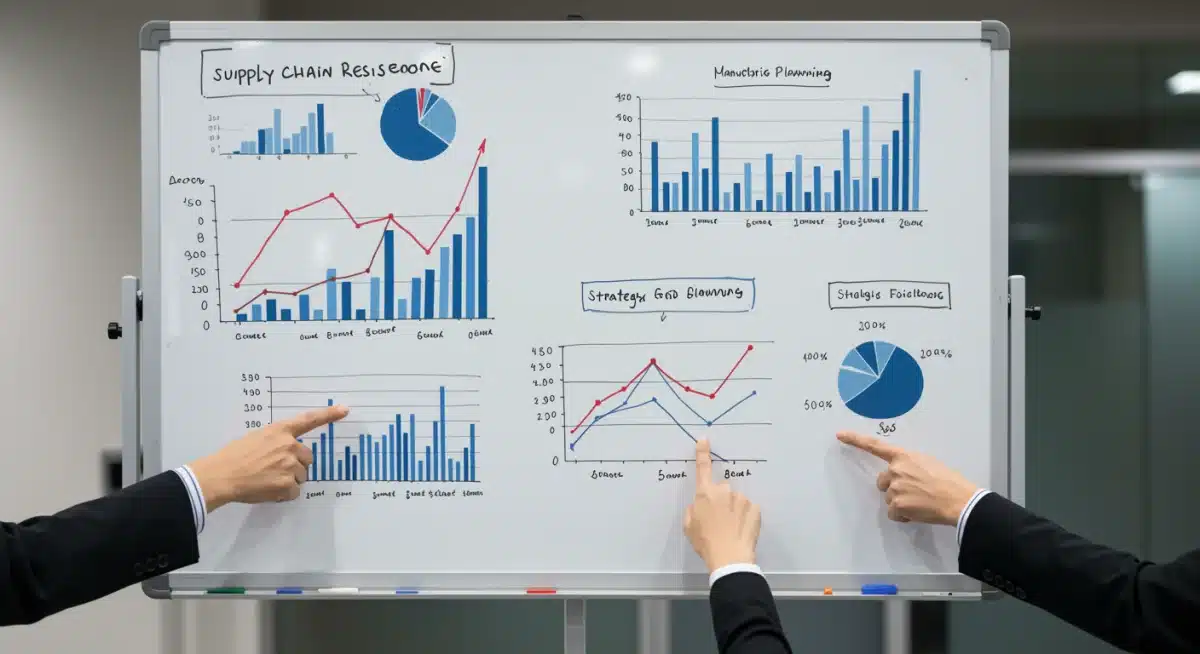
Utilizing data analytics to gain insights into demand patterns, production efficiency, and supply chain risks can empower manufacturers to make more informed decisions. Predictive analytics can help anticipate disruptions and optimize inventory levels, thereby improving overall operational resilience.
Long-Term Implications Beyond Six Months
While our immediate focus is on the next six months, the trends observed during this period will have profound long-term implications for the US Manufacturing Outlook. The shift towards more resilient, regionalized, and technologically advanced production models is likely to be a permanent feature of the global economy.
Increased Domestic Investment:
The current wave of investment in new US manufacturing facilities, particularly in strategic sectors, is expected to continue. This will lead to job creation, economic growth in specific regions, and a strengthening of the domestic industrial base.
Enhanced Innovation Ecosystem:
With greater domestic production, there will be a corresponding surge in research and development (R&D) and innovation. Proximity between R&D, manufacturing, and end-users fosters a more dynamic innovation ecosystem, leading to new product development and process improvements.
Greater Economic Security:
A stronger, more self-reliant manufacturing sector contributes directly to national economic security, reducing vulnerability to external shocks and ensuring access to critical goods during crises. This strategic imperative will continue to drive policy and investment decisions.
Evolution of Global Trade:
While globalization will not disappear, it will likely evolve into a more regionalized model, with stronger intra-regional trade blocs and diversified global sourcing strategies. US manufacturing will play a key role within its own regional economic sphere.
Conclusion: A Resilient and Evolving US Manufacturing Outlook
The current reshaping of global supply chains presents a pivotal moment for US manufacturing. The next six months will be characterized by continued adaptation, strategic investment, and a determined effort to build greater resilience and competitiveness. While challenges such as labor shortages and inflationary pressures persist, the confluence of government support, technological innovation, and a strategic imperative to de-risk supply chains points towards a generally positive US Manufacturing Outlook.
Manufacturers who proactively invest in advanced technologies, diversify their supply networks, develop their workforce, and leverage available incentives will be best positioned not only to weather ongoing disruptions but also to achieve sustainable growth. This period of transformation is not merely about bringing jobs back; it’s about building a smarter, stronger, and more secure manufacturing base for the 21st century. The vision is clear: a US manufacturing sector that is agile, innovative, and a global leader in critical and advanced industries, capable of responding effectively to the demands of a rapidly changing world. The journey ahead will require continuous innovation, strategic partnerships, and a long-term commitment to fostering an environment where domestic production can truly flourish.