Consumer Sentiment Drop: 2026 Economic Impact Analysis
Anúncios
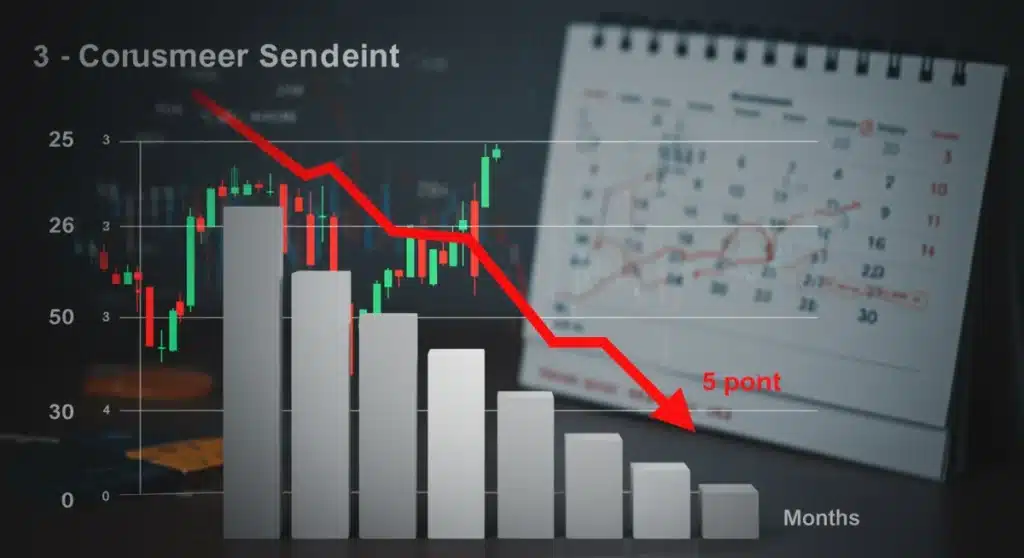
A recent 5-point decline in the Consumer Sentiment Index over three months signals potential shifts in 2026 economic activity, influencing consumer spending and investment decisions.
Anúncios
The recent Consumer Sentiment Index, revealing a notable 5-point drop over the past three months, has ignited discussions among economists and investors alike regarding its potential ramifications for 2026 economic activity in the United States. This shift warrants careful examination as consumer confidence is often a leading indicator of future spending and investment patterns.
Anúncios
Understanding the Consumer Sentiment Index
The Consumer Sentiment Index (CSI) is a vital economic indicator that measures the optimism of consumers regarding the state of the economy. It reflects their feelings about their financial situation, job prospects, and overall economic conditions, both present and future. A decline in this index typically suggests that consumers are becoming more cautious, which can lead to reduced spending and, consequently, slower economic growth.
This index is compiled through surveys that gauge consumer attitudes across various dimensions. Understanding its components is crucial for interpreting its movements and forecasting potential economic shifts. The University of Michigan’s Surveys of Consumers is a widely cited source for this data, providing insights into consumer expectations and perceptions.
Key Components of the CSI
- Current Economic Conditions: This assesses how consumers feel about their present financial situation and the current state of the economy. It often reflects recent economic news and personal experiences.
- Future Economic Expectations: This component looks ahead, gauging consumer optimism or pessimism about economic prospects over the next six months to a year. It’s particularly influential for big-ticket purchases and long-term financial planning.
- Personal Financial Outlook: Directly asks consumers about their expected financial well-being in the near future, which can significantly impact their willingness to spend or save.
- Buying Conditions for Durables: Measures whether consumers perceive it as a good time to make large purchases like cars, homes, or major appliances, offering a direct read on potential consumer spending.
In essence, the CSI acts as a barometer for consumer confidence. When consumers feel secure and optimistic, they are more likely to spend, invest, and borrow, fueling economic expansion. Conversely, a prolonged decline, as seen recently, can signal an impending slowdown as households tighten their belts.
The recent 5-point drop in the Consumer Sentiment Index is not merely a statistical blip; it represents a tangible shift in how American consumers perceive their economic future. This change, while seemingly modest, can have cascading effects throughout various sectors of the economy, influencing everything from retail sales to housing markets and employment figures.
Analyzing the Recent 5-Point Drop
The recent dip in the Consumer Sentiment Index by 5 points over the last three months is a development that demands close scrutiny. While not a dramatic collapse, such a sustained decline can be indicative of underlying anxieties that are beginning to coalesce among the populace. This section delves into the probable causes for this specific drop and its immediate implications.
Several factors could contribute to a deceleration in consumer confidence. These often include shifts in inflation, employment figures, interest rates, and geopolitical events. Dissecting these potential drivers helps to form a more comprehensive picture of what is truly influencing consumer behavior.
Potential Drivers Behind the Decline
- Persistent Inflationary Pressures: Even if inflation rates appear to be moderating, the cumulative effect of higher prices on everyday goods and services can erode purchasing power and foster a sense of financial insecurity. Consumers may feel their money simply doesn’t go as far as it used to.
- Job Market Uncertainty: While unemployment rates might remain low, concerns about job security, wage growth stagnation, or whispers of potential layoffs in certain sectors can quickly dampen optimism. A feeling that the job market is less robust can make consumers hesitant to spend.
- Rising Interest Rates: Higher interest rates on loans, mortgages, and credit cards directly impact household budgets. This can make large purchases more expensive and reduce disposable income, leading consumers to pull back on discretionary spending.
- Geopolitical Instability: Global events, from conflicts to supply chain disruptions, can create a pervasive sense of uncertainty. This external volatility often translates into domestic economic apprehension, as consumers worry about broader economic stability.
The 5-point fall, therefore, is likely a composite response to a combination of these factors rather than a single isolated event. It suggests that consumers are processing a complex economic landscape and reacting with increased caution. This caution, if it persists, can translate into tangible changes in spending habits.
The immediate implication of this drop is a likely slowdown in discretionary spending. Consumers may prioritize essential purchases, defer large investments, and increase their savings. This shift in behavior can have a ripple effect, impacting sales for non-essential goods and services, and potentially influencing corporate earnings and investment decisions.
Historical Context: Past Sentiment Shifts
To truly grasp the significance of the current 5-point drop in the Consumer Sentiment Index, it is imperative to place it within a historical context. Economic history is replete with instances where shifts in consumer confidence have served as powerful harbingers of future economic performance. Examining past episodes can offer valuable insights into what might lie ahead.
Historically, significant declines in consumer sentiment have often preceded, or coincided with, periods of economic contraction or slowdowns. Conversely, surges in optimism typically accompany periods of robust economic growth. The magnitude and duration of these shifts are key to understanding their potential impact.
Notable Historical Precedents
- Early 2000s Recession: A sustained decline in consumer sentiment, driven by the dot-com bubble burst and the September 11th attacks, preceded and accompanied the recession of 2001. Consumer retrenchment played a significant role in the economic downturn.
- 2008 Financial Crisis: The dramatic collapse in consumer confidence during the 2008 financial crisis was a critical factor in the severity of the subsequent Great Recession. Fear and uncertainty led to a drastic reduction in spending, exacerbating the economic turmoil.
- COVID-19 Pandemic (2020): The unprecedented shock of the pandemic caused an immediate and sharp decline in sentiment, reflecting widespread fear and economic uncertainty. While the recovery was swift due to massive fiscal and monetary intervention, the initial sentiment plunge highlighted its sensitivity to sudden crises.
- Periods of High Inflation (1970s/1980s): Recurring periods of high inflation and economic stagnation during these decades consistently led to depressed consumer sentiment, as households grappled with eroding purchasing power and economic instability.
These examples illustrate that consumer sentiment is not just a passive reflection of the economy; it actively influences it. When consumers lose confidence, they often act in ways that can slow economic activity, creating a self-fulfilling prophecy to some extent. The current 5-point drop, while not as severe as some historical plunges, should not be dismissed as insignificant.
Comparing the current situation to these past events allows economists to assess the potential severity and duration of the economic impact. While each economic cycle has its unique characteristics, the fundamental mechanisms by which consumer sentiment influences spending and investment remain largely consistent. Therefore, understanding these historical patterns is crucial for forecasting 2026 economic activity.
Projecting 2026 Economic Activity
Forecasting economic activity for 2026 based on a recent 5-point drop in the Consumer Sentiment Index requires a nuanced approach, considering various interconnected economic factors. While consumer sentiment is a powerful indicator, it is one piece of a larger puzzle that includes monetary policy, fiscal spending, and global economic conditions.
A sustained decrease in consumer confidence often translates into reduced consumer spending, which is a primary driver of economic growth in the United States. If consumers are less willing to open their wallets, businesses may see slower sales, leading to potential adjustments in production, hiring, and investment plans.
Key Economic Indicators and Their Interplay
The impact of declining consumer sentiment on 2026 economic activity will depend heavily on how other key indicators evolve. These include:
- Inflation Trajectory: If inflation continues to cool, it could partially offset the negative sentiment by improving purchasing power. Conversely, a resurgence in inflation would likely deepen consumer pessimism.
- Interest Rate Environment: The Federal Reserve’s decisions on interest rates will play a crucial role. Lower rates could stimulate borrowing and spending, while higher rates could further dampen economic activity by increasing the cost of credit.
- Employment Market Strength: A robust job market with low unemployment and steady wage growth can act as a buffer against declining sentiment, providing households with financial stability. A weakening job market, however, would amplify the negative effects.
- Business Investment: Corporate confidence and investment plans are also critical. If businesses perceive a weakening consumer base, they might scale back expansion plans, further slowing economic momentum.
The 5-point drop over three months suggests a gradual, rather than abrupt, shift in consumer behavior. This allows for the possibility of policy interventions or positive economic developments to mitigate the potential downturn. However, without such interventions, a continued decline could lead to a noticeable deceleration in economic growth in 2026.
Economists will be closely monitoring retail sales, durable goods orders, and housing market activity, as these sectors are particularly sensitive to shifts in consumer confidence. The confluence of these indicators will ultimately determine the severity of the impact of the current sentiment drop on the 2026 economic landscape.
Sector-Specific Impacts and Vulnerabilities
A decline in the Consumer Sentiment Index, even a moderate one, rarely affects all sectors of the economy equally. Certain industries are inherently more sensitive to shifts in consumer confidence and discretionary spending. Understanding these sector-specific impacts is crucial for businesses and investors looking to navigate potential economic headwinds in 2026.
When consumers feel less secure about their financial future, they tend to prioritize essential spending over discretionary purchases. This reordering of priorities can create winners and losers across different economic sectors, highlighting areas of vulnerability and resilience.
Vulnerable Sectors
- Retail (Discretionary Goods): Companies selling non-essential items like high-end apparel, electronics, and luxury goods are often the first to feel the pinch. Consumers may delay or forgo these purchases when confidence wanes.
- Automotive Industry: Big-ticket items like new cars are highly sensitive to consumer sentiment. A drop in confidence can lead to fewer car sales, as consumers opt to extend the life of their current vehicles or postpone upgrades.
- Housing Market: While influenced by interest rates, consumer confidence plays a significant role in home buying decisions. A pessimistic outlook can deter potential buyers, leading to slower sales and potentially softer price growth.
- Travel and Hospitality: Discretionary spending on vacations, dining out, and entertainment often drops when consumers tighten their belts, impacting airlines, hotels, restaurants, and leisure businesses.
Conversely, sectors that provide essential goods and services, such as utilities, basic groceries, and healthcare, tend to be more resilient during periods of lower consumer confidence. Consumers will continue to pay for these necessities regardless of their broader economic outlook, though they may seek more affordable options.
The impact on these vulnerable sectors can manifest in various ways, including reduced sales volumes, increased inventory, and pressure on profit margins. Businesses in these areas may need to adjust their strategies, perhaps by offering more promotions, focusing on value, or delaying expansion plans.
The recent 5-point drop in the Consumer Sentiment Index serves as a warning signal for these sensitive sectors. Companies operating within them should be prepared to adapt to a potentially more cautious consumer landscape in 2026, focusing on efficiency and value to retain market share.
Mitigating Factors and Potential Upsides
While a 5-point drop in the Consumer Sentiment Index over three months presents challenges, it is crucial to recognize that economic forecasts are not deterministic. Several mitigating factors and potential upsides could temper the negative implications for 2026 economic activity. The economy is a dynamic system, capable of surprising in both directions.
Policymakers, businesses, and consumers themselves can all contribute to altering the trajectory indicated by declining sentiment. Understanding these counterbalancing forces provides a more complete picture of the potential future.
Factors That Could Soften the Impact
- Resilient Labor Market: Even with some concerns, a persistently strong labor market with low unemployment rates can provide a fundamental floor for consumer spending. Job security and steady incomes can prevent a sentiment drop from spiraling into a severe economic downturn.
- Disinflationary Trend: If inflationary pressures continue to ease more rapidly than anticipated, consumers’ purchasing power could improve, leading to a rebound in confidence and spending. Lower prices for goods and services can make households feel wealthier.
- Policy Interventions: Both monetary and fiscal policies can be adjusted to support economic growth. Central banks might reduce interest rates if inflation is under control, making borrowing more attractive. Governments could implement targeted spending programs or tax cuts to stimulate demand.
- Innovation and Productivity Gains: Breakthroughs in technology or improvements in productivity can drive economic growth independently of consumer sentiment. These can create new jobs, boost corporate profits, and ultimately lift overall economic optimism.
- Strong Corporate Balance Sheets: Many companies, particularly larger ones, entered this period with robust financial health. This allows them to weather periods of slower consumer spending without resorting to drastic measures like mass layoffs, which could further depress sentiment.
Furthermore, consumer sentiment itself can be highly volatile. A series of positive economic news, such as stronger-than-expected earnings reports or a resolution to geopolitical tensions, could quickly reverse the recent decline. Consumer confidence is often influenced by current events and perceptions, which can shift rapidly.
Therefore, while the 5-point drop in the Consumer Sentiment Index is a notable development, it does not guarantee a deep economic contraction in 2026. The interplay of these mitigating factors and potential upsides means that the actual economic outcome could be more favorable than a simple extrapolation of sentiment data might suggest. Continued monitoring of all economic indicators will be essential.
Strategies for Businesses and Consumers in 2026
Given the implications of a 5-point drop in the Consumer Sentiment Index, both businesses and consumers can adopt proactive strategies to navigate the potential economic landscape of 2026. Preparedness and adaptability will be key to mitigating risks and identifying opportunities in an environment shaped by cautious consumer behavior.
For businesses, this period calls for a careful review of operational strategies, financial planning, and customer engagement. Consumers, on the other hand, might focus on financial resilience and strategic spending.
Business Strategies for a Cautious Environment
- Focus on Value and Essentials: As consumers prioritize essential spending, businesses should emphasize the value proposition of their products and services. This might involve competitive pricing, bundling offers, or highlighting durability and long-term utility.
- Optimize Inventory and Supply Chains: Anticipating potentially slower sales, businesses can reduce inventory levels to minimize carrying costs and improve cash flow. Diversifying supply chains can also reduce risks associated with global disruptions.
- Enhance Customer Loyalty: In a competitive market, retaining existing customers is often more cost-effective than acquiring new ones. Loyalty programs, exceptional customer service, and personalized offers can strengthen relationships.
- Maintain Financial Flexibility: Strengthening cash reserves, managing debt prudently, and exploring flexible financing options can provide a buffer against unexpected economic shifts.
- Invest in Digital Transformation: Continued investment in e-commerce capabilities, data analytics, and automation can improve efficiency, reach wider audiences, and offer more personalized customer experiences, even with reduced foot traffic.
Consumer Strategies for Economic Uncertainty
- Build an Emergency Fund: Having several months’ worth of living expenses saved can provide a crucial safety net against job loss or unexpected expenses.
- Review and Adjust Budgets: Scrutinize discretionary spending and identify areas where cuts can be made. Prioritizing needs over wants becomes more important during uncertain times.
- Pay Down High-Interest Debt: Reducing credit card debt or other high-interest loans can free up cash flow and reduce financial vulnerability, especially if interest rates remain elevated.
- Invest Wisely: While caution is warranted, avoiding panic selling and maintaining a diversified investment portfolio aligned with long-term goals is generally advisable. Consider consulting a financial advisor.
- Skill Development and Career Planning: Investing in new skills or certifications can enhance job security and open up new career opportunities, even in a challenging job market.
The 5-point drop in the Consumer Sentiment Index is a signal for both businesses and consumers to reassess their current positions and plan for a potentially more conservative economic period in 2026. Proactive planning and strategic adjustments can help individuals and organizations navigate these shifts effectively, fostering resilience.
| Key Point | Brief Description |
|---|---|
| CSI Drop Significance | A 5-point decline over 3 months signals growing consumer caution, impacting future spending. |
| 2026 Economic Outlook | Potential for slower economic growth, particularly in discretionary spending sectors. |
| Influencing Factors | Inflation, interest rates, and job market health are critical co-determinants. |
| Proactive Strategies | Businesses and consumers should adapt with budgeting, value focus, and financial resilience. |
Frequently Asked Questions About Consumer Sentiment
The Consumer Sentiment Index (CSI) measures how optimistic or pessimistic consumers are about the state of the economy. It surveys their feelings about personal finances, job prospects, and overall economic conditions. A higher index indicates greater confidence, typically leading to increased spending and investment.
A 5-point drop over three months, while not a drastic fall, suggests a sustained erosion of consumer confidence. Such a trend often precedes a reduction in discretionary spending. It signals that consumers are becoming more cautious, which can slow down economic activity if not counteracted by other positive factors.
Consumer sentiment directly influences spending patterns. A decline implies that consumers may reduce purchases, especially for big-ticket items, impacting retail sales, housing, and automotive sectors. This can lead to slower economic growth, reduced business investment, and potentially affect employment rates in 2026.
Declines often stem from concerns about inflation, job market uncertainty, rising interest rates, and geopolitical instability. When these factors create financial insecurity or uncertainty about the future, consumers tend to become more conservative with their money, leading to a drop in sentiment.
Yes, economic recovery is possible. Mitigating factors such as a strong labor market, easing inflation, and proactive government or central bank policies can help. Consumer sentiment is dynamic; positive economic news or effective policy interventions could reverse the trend, leading to a more favorable economic outlook for 2026.
Conclusion
The 5-point drop in the Consumer Sentiment Index over the past three months is a clear signal that American consumers are approaching the economic landscape with increasing caution. While not a cause for panic, this trend warrants close attention as we look towards 2026. A sustained period of low confidence can translate into reduced spending, particularly in discretionary sectors, potentially slowing overall economic growth. However, the interplay of other economic factors, such as the labor market’s resilience, the trajectory of inflation, and potential policy interventions, will ultimately determine the full extent of this impact. Both businesses and consumers have opportunities to adapt through strategic planning and financial prudence, fostering resilience in an evolving economic environment.