Apprenticeship Programs 2025: Untapped US Career Opportunities

Anúncios
Apprenticeship programs in 2025 offer robust pathways for US career starters, particularly in burgeoning sectors like green energy, advanced manufacturing, and digital trades, providing vital on-the-job training and sustainable career growth.
Anúncios
The Latest in Apprenticeship Programs: Discovering 3 Untapped Opportunities for US Career Starters in 2025
The landscape of career development is constantly evolving, and for many aspiring professionals, traditional four-year degrees are not the only, or even the best, path. In 2025, apprenticeship programs are emerging as powerful accelerators for career starters in the United States, offering practical skills, direct employment, and a clear trajectory for advancement. This article delves into three crucial, yet often overlooked, sectors poised for significant growth in apprenticeship opportunities.
Anúncios
The Resurgence of Apprenticeships in the Modern Economy
Apprenticeships, once primarily associated with traditional trades, are experiencing a significant renaissance, driven by the evolving demands of the modern economy. Businesses across various sectors are recognizing the immense value of hands-on training combined with theoretical instruction, creating a skilled workforce directly tailored to their needs. This shift is not merely about filling labor gaps; it’s about building a robust pipeline of talent capable of innovating and adapting to future challenges.
For career starters, this resurgence presents an unparalleled opportunity. Instead of accumulating student debt, apprentices earn wages while learning, gaining invaluable experience that employers highly covet. These programs often lead to nationally recognized certifications and, more importantly, stable, well-paying jobs. The commitment from both government and industry to expand apprenticeship models underscores their growing importance in the US career ecosystem.
Bridging the Skill Gap
One of the primary drivers behind the renewed focus on apprenticeships is the persistent skill gap in various industries. Many employers struggle to find candidates with the specific, practical skills required for complex roles. Apprenticeships directly address this by combining on-the-job training with classroom instruction, ensuring that participants acquire both theoretical knowledge and practical proficiency.
- Directly addresses industry-specific skill shortages.
- Provides tailored training that meets employer demands.
- Reduces recruitment costs and increases employee retention.
- Offers a structured pathway for continuous professional development.
The structured nature of modern apprenticeships ensures that participants not only learn the ropes but also understand the underlying principles of their trade. This holistic approach prepares them for long-term careers, not just entry-level positions. The integration of mentorship also plays a crucial role, providing apprentices with guidance from experienced professionals who can impart wisdom beyond technical skills.
The resurgence of apprenticeships signifies a broader acknowledgement that education and workforce development must be more responsive to economic realities. By fostering a direct link between learning and earning, these programs empower individuals to build fulfilling careers while simultaneously strengthening the nation’s workforce capabilities. This model offers a win-win scenario for both aspiring professionals and the industries that rely on their expertise.
Untapped Opportunity 1: Green Energy Technicians
As the United States accelerates its transition to a sustainable economy, the demand for skilled workers in the green energy sector is skyrocketing. This burgeoning field, encompassing everything from solar panel installation to wind turbine maintenance and smart grid technology, represents a significant untapped avenue for apprenticeship programs in 2025. Career starters with a passion for environmental stewardship and technical aptitude will find a wealth of opportunities here.
Traditional educational pathways are still catching up to the rapid pace of innovation in green energy, making apprenticeships an ideal solution for developing a ready workforce. These programs offer specialized training that is directly applicable to the technologies being deployed today and those on the horizon. The hands-on nature of the work, often involving outdoor and physically engaging tasks, appeals to a diverse group of individuals looking for dynamic careers.
Solar and Wind Energy Apprenticeships
The growth in renewable energy sources like solar and wind power creates a direct need for installation and maintenance technicians. Apprenticeships in these areas provide comprehensive training, covering safety protocols, electrical systems, mechanical repair, and diagnostic skills specific to these technologies.
- Solar PV Installer: Training in panel mounting, wiring, and system commissioning.
- Wind Turbine Technician: Focus on turbine assembly, inspection, and repair at height.
- Battery Storage Specialist: Expertise in installing and maintaining energy storage systems.
These roles are not just about manual labor; they require a deep understanding of complex systems and problem-solving skills. Apprentices learn to interpret blueprints, troubleshoot malfunctions, and ensure the efficient operation of renewable energy infrastructure. The demand for these skills is geographically widespread, from urban rooftops to vast wind farms, offering flexibility in career location.
Smart Grid and Energy Efficiency Roles
Beyond direct energy generation, the modernization of the electrical grid and the push for greater energy efficiency are creating new roles. Apprenticeships in smart grid technology focus on digital controls, data analytics for energy management, and the implementation of energy-saving solutions in commercial and residential settings.
These programs often blend electrical engineering principles with IT skills, preparing apprentices for roles that manage the flow of energy more intelligently. As homes and businesses become more interconnected and reliant on sustainable practices, professionals who can optimize energy use will be highly valued. This sector promises stable employment with continuous opportunities for skill upgrading, as technology in energy efficiency continues to advance rapidly.

The green energy sector is not just a trend; it’s a fundamental shift in how we power our world. For career starters, investing in an apprenticeship in this field means gaining skills that are future-proof, contributing to a critical global mission, and entering a job market with robust growth projections. These programs are essential for building the workforce that will drive America’s sustainable future.
Untapped Opportunity 2: Advanced Manufacturing and Robotics
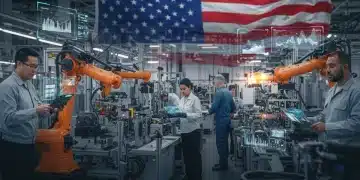
The American manufacturing sector is undergoing a profound transformation, driven by automation, artificial intelligence, and robotics. This evolution has led to a demand for a new breed of skilled worker: the advanced manufacturing technician. For career starters in 2025, apprenticeships in this domain offer a gateway into high-tech industrial environments, far removed from the traditional image of factory work. These roles are critical for maintaining the nation’s competitive edge and fostering innovation.
Modern manufacturing facilities are clean, sophisticated environments where precision and technological fluency are paramount. Apprenticeships here focus on programming, operating, and maintaining advanced machinery and robotic systems. This sector is particularly attractive for individuals who enjoy problem-solving, working with complex technology, and seeing tangible results from their efforts.
Robotics and Automation Technicians
Apprenticeships for robotics and automation technicians are designed to equip individuals with the skills needed to install, troubleshoot, and repair robotic systems used in production lines. This includes learning about mechanical components, electronic controls, and software programming for industrial robots.
- Robot Programmer: Developing and optimizing code for robotic tasks.
- Automation Specialist: Integrating automated systems into manufacturing processes.
- Mechatronics Technician: Combining mechanical, electrical, and computer engineering skills.
These roles are integral to increasing efficiency and productivity in manufacturing. Apprentices gain hands-on experience with cutting-edge equipment, learning to diagnose issues and implement solutions that keep production flowing smoothly. The training often involves simulated environments before working on live production systems, ensuring both safety and proficiency.
Precision Machining and Additive Manufacturing
Beyond robotics, advanced manufacturing also includes precision machining and the rapidly growing field of additive manufacturing (3D printing). Apprenticeships in these areas teach the operation of computer numerical control (CNC) machines and the principles of creating complex parts with high accuracy.
For those interested in the intricacies of material science and design, additive manufacturing apprenticeships offer a chance to work with state-of-the-art 3D printers, producing prototypes and finished products for various industries, including aerospace and medical devices. These roles require a keen eye for detail, an understanding of materials, and the ability to work with advanced design software. The skills acquired in these apprenticeships are highly transferable and in demand across a wide array of high-tech industries, ensuring robust career prospects.
The advanced manufacturing sector is dynamic and continuously innovating. Apprenticeships provide a direct entry point into this exciting field, offering the opportunity to work with transformative technologies and contribute to the production of high-quality goods. For career starters looking for a challenging and rewarding technical career, this is an area ripe with potential for 2025 and beyond.
Untapped Opportunity 3: Digital Trades and Cybersecurity
In an increasingly digital world, the need for skilled professionals in digital trades and cybersecurity has never been more critical. This sector, often overlooked in the traditional apprenticeship discussion, offers immense untapped potential for US career starters in 2025. As businesses and individuals become more reliant on digital infrastructure, the demand for experts who can build, manage, and protect these systems is growing exponentially.
Unlike traditional trades, digital apprenticeships often involve a blend of remote work and on-site collaboration, making them highly adaptable to modern work preferences. These programs equip individuals with vital skills in areas such as web development, data analytics, cloud computing, and, crucially, cybersecurity. The barrier to entry can be lower than a four-year degree, yet the career progression and earning potential are exceptionally high.
Cybersecurity Analyst Apprenticeships
With the constant threat of cyberattacks, cybersecurity analysts are on the front lines of digital defense. Apprenticeships in this field train individuals to identify vulnerabilities, monitor networks for suspicious activity, and respond to security incidents. This is a high-stakes, fast-paced environment that requires sharp analytical skills and continuous learning.
- Security Operations Center (SOC) Analyst: Monitoring and analyzing security alerts.
- Penetration Tester (Ethical Hacker): Identifying system weaknesses before malicious actors.
- Incident Response Specialist: Managing and mitigating cyberattacks.
These apprenticeships provide hands-on experience with security tools and technologies, often incorporating certifications that are highly valued in the industry. The demand for cybersecurity professionals far outstrips supply, making this an excellent career choice for those interested in protecting digital assets and ensuring online safety.
Cloud Computing and Data Analytics Apprenticeships
The shift to cloud-based services and the explosion of data have created a need for professionals who can manage and interpret vast amounts of information. Cloud computing apprenticeships focus on deploying and managing applications and infrastructure on platforms like AWS, Azure, or Google Cloud.
Data analytics apprenticeships, on the other hand, teach individuals how to collect, process, and analyze data to extract meaningful insights that drive business decisions. These roles are foundational to almost every industry today, from healthcare to retail, offering diverse career paths. Apprentices learn programming languages like Python and R, database management, and visualization tools. Both cloud computing and data analytics offer dynamic career paths with continuous opportunities to learn new tools and techniques, staying at the forefront of technological innovation.
The digital trades and cybersecurity sector offers a unique blend of intellectual challenge and practical application. Apprenticeships here provide a direct route to highly sought-after careers, allowing individuals to build specialized skills that are essential in today’s digital economy. For career starters looking to make a significant impact in a rapidly evolving field, these opportunities in 2025 are not to be missed.
Navigating the Application Process for Apprenticeships
Securing a spot in a competitive apprenticeship program requires a strategic approach and a clear understanding of the application process. Unlike traditional job applications, apprenticeships often look for a combination of foundational knowledge, a strong work ethic, and a genuine interest in the specific trade. Preparation is key to standing out among other candidates and demonstrating your commitment to a hands-on learning path.
Many programs have specific prerequisites, which might include a high school diploma or GED, and sometimes foundational courses in math or science. Researching these requirements early can help you tailor your education or training to meet the necessary criteria. Additionally, networking within the industry can provide invaluable insights and connections, potentially opening doors to opportunities that might not be widely advertised.
Crafting a Compelling Application
Your application is your first impression. It needs to clearly articulate why you are a good fit for the program and the specific trade. Highlight any relevant experiences, even if they are not direct work experience. This could include volunteer work, school projects, or even hobbies that demonstrate mechanical aptitude, problem-solving skills, or technical interest.
- Resume/CV: Tailor it to the specific apprenticeship, emphasizing relevant skills and experiences.
- Cover Letter: Express genuine interest in the trade and the specific program, explaining why you are passionate about learning.
- References: Provide strong references from teachers, mentors, or previous employers who can attest to your character and abilities.
Be prepared to demonstrate your enthusiasm and a willingness to learn. Apprenticeship committees often prioritize candidates who show initiative and a long-term commitment to the trade. Showcasing your understanding of the industry and the role can also make a significant difference in your application’s success.
Interviews and Practical Assessments
Many apprenticeship programs include an interview process, and some may even require practical assessments to gauge your aptitude for the trade. The interview is an opportunity to elaborate on your application, ask thoughtful questions, and showcase your personality. Be ready to discuss your motivations, career goals, and how you handle challenges.
Practical assessments might involve basic mechanical tasks, problem-solving scenarios, or even a demonstration of basic computer skills, depending on the trade. These are designed to evaluate potential, not just existing expertise. Approach them with a positive attitude and a willingness to learn from any feedback. Demonstrating coachability and a strong desire to improve can be as important as initial skill level.
Navigating the application process for apprenticeships requires diligence and preparation, but the rewards are substantial. By presenting a well-rounded application, demonstrating genuine interest, and performing well in assessments, career starters can successfully embark on a fulfilling and debt-free career path in 2025.
The Long-Term Benefits of Apprenticeship Pathways
Choosing an apprenticeship as a career starter in 2025 offers a multitude of long-term benefits that extend far beyond initial employment. These pathways are designed not just to provide a job, but to cultivate a career, offering stability, continuous learning, and significant earning potential. The structured nature of apprenticeships ensures that individuals develop a deep mastery of their trade, making them highly valuable assets in the workforce.
One of the most compelling advantages is the absence of student loan debt, a burden that plagues many traditional college graduates. Apprentices earn wages from day one, allowing them to gain financial independence while simultaneously investing in their future. This financial stability provides a strong foundation for personal and professional growth, enabling apprentices to focus on their training without the added stress of accumulating debt.
Career Progression and Earning Potential
Apprenticeship programs are structured with clear progression paths, leading to journeyman status and beyond. As apprentices gain experience and certifications, their earning potential significantly increases. Many trades offer salaries comparable to, or even exceeding, those of four-year degree holders, especially when considering the debt-free start.
Furthermore, the specialized skills acquired through apprenticeships are often in high demand, providing job security and opportunities for advancement into supervisory or management roles. The hands-on expertise gained makes apprentices invaluable problem-solvers and innovators within their respective industries, paving the way for leadership positions or even entrepreneurship.
Lifelong Learning and Adaptability
The apprenticeship model inherently promotes a culture of lifelong learning. As industries evolve, apprentices are often exposed to new technologies and techniques, ensuring their skills remain current and relevant. This adaptability is crucial in today’s rapidly changing job market, where continuous skill development is essential for sustained career success.
Many programs also offer opportunities for further education, such as associate’s or bachelor’s degrees, often with employer sponsorship or credit for apprenticeship hours. This blended approach allows individuals to combine practical mastery with academic credentials, broadening their career horizons even further. Apprenticeships, therefore, are not just a starting point but a continuous journey of professional development and growth.
The long-term benefits of apprenticeship pathways are undeniable. From financial independence and robust career progression to continuous skill enhancement and adaptability, these programs offer a holistic approach to workforce development. For career starters in 2025, an apprenticeship is an investment in a stable, rewarding, and future-proof career.
Government and Industry Support for Apprenticeships
The growing recognition of apprenticeships’ value has led to significant support from both government bodies and various industries across the United States. This robust backing is crucial for the expansion and diversification of programs, ensuring that more career starters have access to these invaluable opportunities in 2025. Federal and state initiatives are actively promoting apprenticeships as a cornerstone of workforce development, while industry leaders are investing in them to cultivate their future talent pools.
Government funding, tax incentives, and regulatory frameworks are designed to encourage employers to establish and expand apprenticeship programs. These measures aim to reduce the financial burden on companies and streamline the process of program creation, making apprenticeships a more attractive and viable option for businesses of all sizes. This collaborative effort underscores a national commitment to building a skilled and resilient workforce.
Federal and State Initiatives
Various government agencies, including the Department of Labor, actively promote and register apprenticeship programs, ensuring quality standards and providing resources for both employers and apprentices. These initiatives often include grants for program development, technical assistance, and efforts to raise public awareness about the benefits of apprenticeships.
- Apprenticeship Expansion Grants: Funding for states and industries to create new programs.
- Tax Credits for Employers: Incentives for companies that hire and train apprentices.
- Career Pathway Development: Programs designed to connect high schools and community colleges with apprenticeship opportunities.
State governments also play a vital role, often offering their own funding and support structures tailored to local economic needs. These localized efforts help ensure that apprenticeship opportunities are responsive to regional industry demands and accessible to diverse populations, fostering economic growth across different communities.
Industry Investment and Collaboration
Beyond government support, industries themselves are heavily investing in apprenticeships. Leading companies recognize that growing their own talent through structured training programs is a strategic imperative. Industry associations often collaborate to develop standardized curricula and certifications, ensuring that apprentices receive high-quality, industry-relevant training.
This industry-led approach ensures that apprenticeship programs remain aligned with current technological advancements and skill requirements. The engagement of employers, from small businesses to large corporations, highlights a collective commitment to workforce development. This strong ecosystem of support makes apprenticeships a reliable and promising path for career starters looking to enter high-demand fields with confidence and a clear trajectory for success.
| Key Opportunity | Brief Description |
|---|---|
| Green Energy Technicians | Roles in solar, wind, and smart grid tech, critical for sustainable infrastructure. |
| Advanced Manufacturing & Robotics | High-tech roles in automation, robotics, and precision machining for modern factories. |
| Digital Trades & Cybersecurity | Specialized training in cybersecurity, cloud computing, and data analytics. |
| Financial Stability | Earn wages while learning, avoiding student debt and gaining early financial independence. |
Frequently Asked Questions About Apprenticeships in 2025
Apprenticeships offer numerous benefits, including earning wages while gaining on-the-job training, avoiding student debt, and securing a direct pathway to a well-paying career. They provide practical skills, industry certifications, and mentorship from experienced professionals, ensuring participants are job-ready upon completion.
You can find programs through the US Department of Labor’s Apprenticeship.gov website, state workforce agencies, industry associations, and local community colleges. Networking with companies in these sectors and attending career fairs can also reveal opportunities. Research specific employer websites for direct program applications.
Yes, digital trades apprenticeships are gaining significant recognition. They are designed to meet the high demand for tech skills, offering structured training and certifications that are highly valued by employers. These programs provide a credible and effective alternative to traditional degrees for entering the digital workforce.
Most apprenticeship programs require a high school diploma or GED. Some may also ask for basic math or science proficiency, or completion of introductory vocational courses. Requirements vary by trade and employer, so it’s essential to check specific program prerequisites before applying.
Absolutely. Many apprenticeship programs offer pathways to further education, such as associate’s or bachelor’s degrees, often providing college credit for completed training. They foster a culture of lifelong learning, with opportunities for advanced certifications and specialized training, ensuring continuous skill development and career growth.
Conclusion
As we look towards 2025, apprenticeship programs stand out as incredibly valuable pathways for US career starters seeking practical skills, financial independence, and robust career growth. The untapped opportunities in green energy, advanced manufacturing and robotics, and digital trades and cybersecurity represent critical sectors poised for significant expansion. By embracing these innovative training models, individuals can gain direct entry into high-demand fields, circumvent student debt, and build sustainable, future-proof careers. Both government and industry are increasingly investing in these programs, solidifying their role as essential components of America’s workforce development strategy. For those ready to learn by doing, the future is bright with apprenticeship possibilities.