2026 Federal Education Grants: A 3-Month Impact Review on Local Schools

Anúncios
The landscape of local education is constantly evolving, driven by dedicated educators, supportive communities, and crucial financial backing. In 2026, a significant influx of federal grant programs aimed at bolstering educational initiatives has begun to show its initial impact. This article delves into a comprehensive 3-month review of how these federal education grants have been allocated, the innovative school initiatives they have fueled, and the tangible changes observed in local educational institutions. Understanding the nuances of these grants is vital for stakeholders, from policymakers to parents, as they shape the future of learning for countless students across the nation.
The commitment to improving educational outcomes at all levels has never been stronger. With the 2026 federal grant cycle, the U.S. Department of Education unveiled a series of programs designed to address critical areas such as equitable access to quality education, STEM proficiency, teacher retention, and support for underserved student populations. These federal education grants are not merely financial handouts; they represent a strategic investment in the intellectual capital and future prosperity of the nation. The initial three months have provided a valuable snapshot of their implementation and the immediate effects on local school districts.
Anúncios
Understanding the Scope of 2026 Federal Education Grants
Before diving into the impact, it’s essential to grasp the breadth and intent of the 2026 federal education grants. These grants encompass a wide array of programs, each with specific objectives and target beneficiaries. Key areas of focus include:
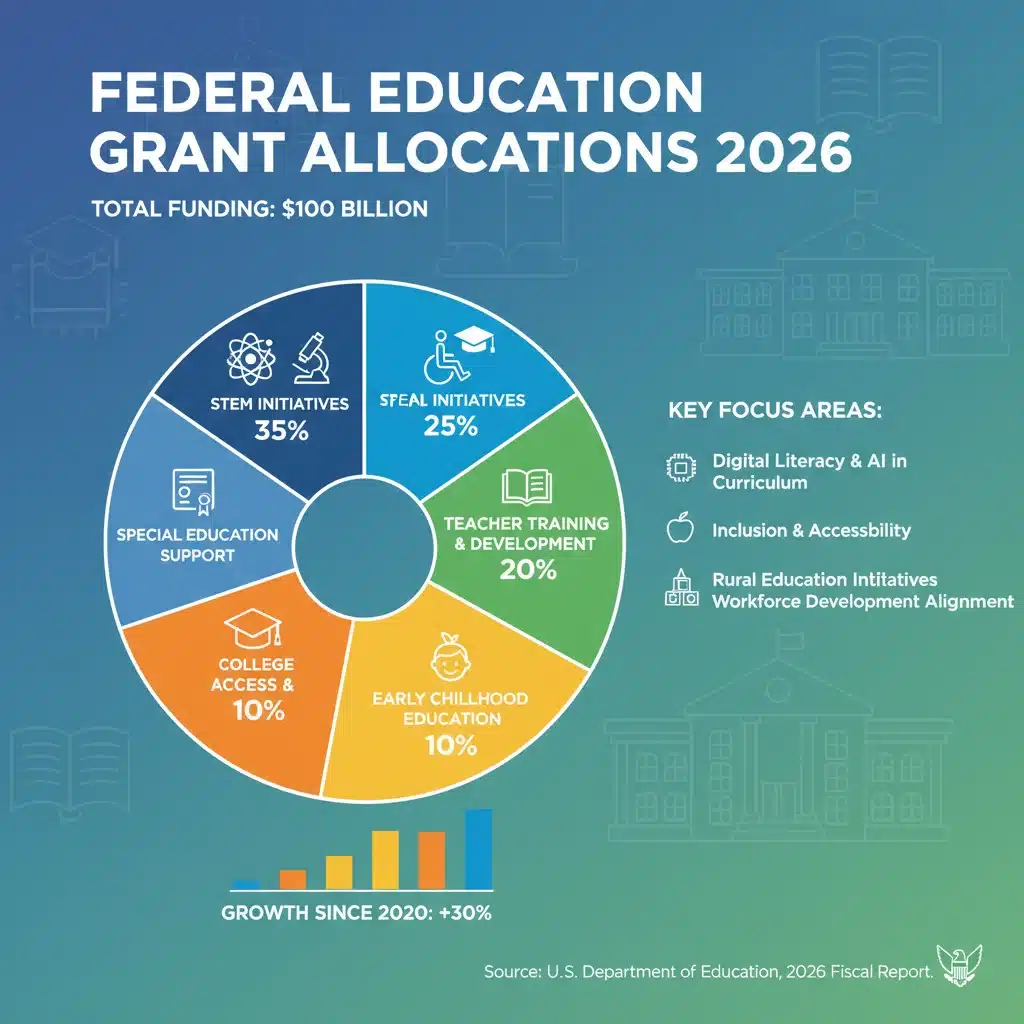
- Title I, Part A: Improving Basic Programs Operated by Local Educational Agencies (LEAs): This cornerstone program continues to provide financial assistance to LEAs with high numbers or high percentages of children from low-income families to help ensure that all children meet challenging state academic standards. The 2026 allocations saw an increase, allowing for more targeted interventions.
- Individuals with Disabilities Education Act (IDEA): Funding under IDEA supports states and local districts in providing a free appropriate public education (FAPE) for children with disabilities. Enhanced funding in 2026 aims to improve services and resources for these students.
- STEM Education Initiatives: Recognizing the growing demand for a skilled workforce in science, technology, engineering, and mathematics, several grants were specifically earmarked to promote STEM learning from early childhood through high school, including professional development for educators and the acquisition of new technologies.
- Teacher and School Leader Incentive Program (TSLIP): Designed to attract, develop, and retain highly effective teachers and school leaders, especially in high-need schools. The 2026 grants provided significant resources for performance-based compensation systems and innovative professional growth opportunities.
- School Safety and Mental Health Services: In response to evolving challenges, a substantial portion of the federal education grants was dedicated to enhancing school safety measures and expanding access to mental health services for students and staff.
The application process for these grants was rigorous, requiring local educational agencies to submit detailed proposals outlining their needs, proposed interventions, and expected outcomes. This strategic approach ensures that funding is directed towards programs with the highest potential for positive impact, aligning with federal priorities while addressing local specificities.
Anúncios
Initial Funding Allocations: Where the Money Went
The first three months of 2026 have been a period of intense activity as school districts began to implement their grant-funded programs. An analysis of the initial funding allocations reveals a clear trend towards strategic investments in areas identified as most critical for student success and systemic improvement. While the specifics vary by district and state, several overarching patterns have emerged.
Boosting Academic Support for Underperforming Students
A significant portion of the Title I funds, along with supplementary grants, has been channeled into enhancing academic support for students struggling to meet grade-level expectations. This includes:
- Expanded Tutoring Programs: Many districts have launched or expanded one-on-one and small-group tutoring sessions, particularly in reading and mathematics, leveraging the expertise of retired teachers, community volunteers, and specialized instructors.
- After-School and Summer Learning Programs: To combat learning loss and provide enriched educational experiences, numerous schools have initiated or strengthened after-school and summer programs, offering academic enrichment alongside recreational activities.
- Targeted Intervention Specialists: Funds have been used to hire additional intervention specialists who work directly with students requiring extra support, developing individualized learning plans and monitoring progress closely.
Investing in STEM Education and 21st-Century Skills
The emphasis on STEM education is evident in the allocation data. School districts are utilizing federal education grants to:
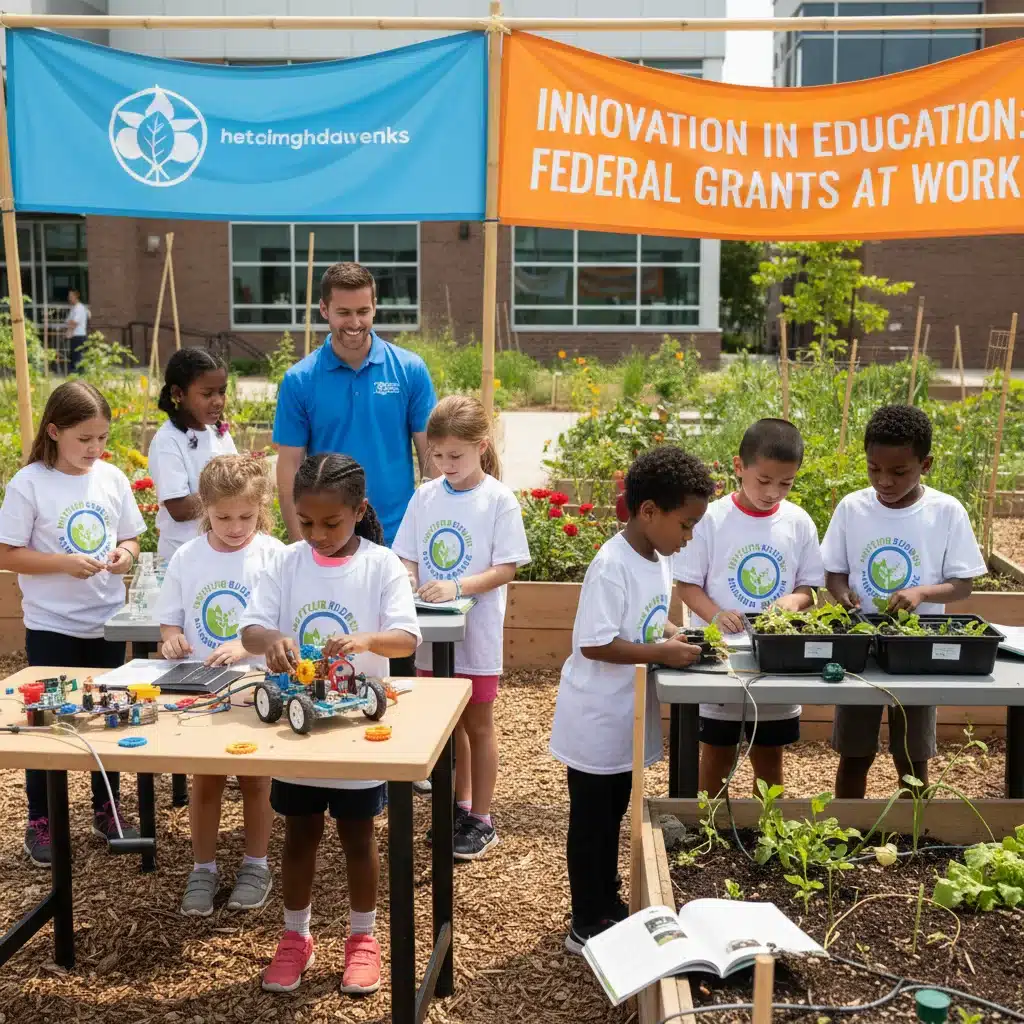
- Upgrade Technology Infrastructure: This includes purchasing new computers, interactive whiteboards, robotics kits, and virtual reality equipment to create more immersive and engaging learning environments.
- Develop STEM-Focused Curricula: Grants are supporting the development and implementation of innovative STEM curricula that integrate hands-on projects, problem-based learning, and real-world applications.
- Professional Development for STEM Teachers: Recognizing the need for highly skilled educators, districts are investing in training programs for teachers to enhance their content knowledge and pedagogical skills in STEM fields.
Enhancing Support for Students with Disabilities
IDEA funding, bolstered by the 2026 grants, has allowed districts to improve services for students with disabilities by:
- Hiring Additional Special Education Staff: This includes special education teachers, paraprofessionals, speech-language pathologists, occupational therapists, and school psychologists, reducing caseloads and providing more individualized attention.
- Acquiring Specialized Equipment and Resources: Districts are purchasing assistive technology, adaptive learning materials, and specialized software to meet the diverse needs of students with disabilities.
- Inclusive Classroom Initiatives: Funds are supporting professional development for general education teachers on inclusive practices, fostering environments where students with disabilities can thrive alongside their peers.
Innovative School Initiatives Taking Shape
Beyond the raw financial allocations, the true measure of these federal education grants lies in the innovative initiatives they have spurred at the local level. In just three months, schools have demonstrated remarkable creativity and dedication in transforming these funds into impactful programs.
Personalized Learning Pathways
Several districts have launched pilot programs focused on personalized learning, where technology and data analytics are used to tailor educational experiences to individual student needs and learning styles. These initiatives often involve:
- Adaptive Learning Software: Students work through programs that adjust in difficulty and content based on their performance, providing targeted practice and remediation.
- Flexible Learning Spaces: Classrooms are being redesigned to accommodate various learning modalities, from collaborative group work to independent study, fostering student agency.
- Mentorship Programs: Older students or community members are paired with younger students to provide academic and social-emotional support, creating a strong sense of community and guidance.
Community-Based Learning and Partnerships
Recognizing that education extends beyond the classroom walls, many schools are using grant funds to forge stronger ties with their communities:
- Internship and Apprenticeship Programs: High school students are gaining valuable real-world experience through partnerships with local businesses and organizations, preparing them for future careers.
- Family Engagement Workshops: Schools are hosting workshops and events to empower parents and guardians with resources and strategies to support their children’s learning at home.
- Community Service Learning Projects: Students are engaging in projects that address local needs, integrating academic learning with civic responsibility and fostering a sense of purpose.
Wellness and Mental Health Support
The increased focus on student well-being is manifesting in concrete initiatives:
- On-Site Mental Health Professionals: Schools are hiring additional counselors, social workers, and psychologists to provide immediate support to students in need.
- Social-Emotional Learning (SEL) Programs: Curricula are being developed and implemented to teach students essential skills such as self-awareness, self-management, social awareness, relationship skills, and responsible decision-making.
- Mindfulness and Stress Reduction Workshops: Programs designed to help students cope with stress and anxiety are being introduced, promoting a healthier school environment.
Early Outcomes and Emerging Trends
While three months is a relatively short period for comprehensive outcome measurement, initial data and anecdotal evidence suggest promising trends. The strategic deployment of federal education grants is beginning to yield positive results.
Improved Student Engagement
Schools that have invested in innovative learning technologies and personalized approaches report higher levels of student engagement. Students are more motivated when learning is tailored to their interests and abilities, and when they have opportunities for hands-on exploration. Teachers note increased participation in class discussions and a more enthusiastic approach to challenging subjects, particularly in STEM fields.
Enhanced Teacher Morale and Professional Growth
The TSLIP and related grants have had a noticeable impact on teacher morale. Access to high-quality professional development, opportunities for collaboration, and in some cases, performance-based incentives, have contributed to a more positive and supportive work environment. Teachers feel more equipped to address the diverse needs of their students and are more likely to remain in their positions, reducing turnover rates in critical areas.
Greater Equity in Access to Resources
One of the primary goals of the federal education grants is to reduce educational disparities. Early indications suggest that schools in low-income areas are now better equipped with resources previously unavailable to them. This includes access to advanced technology, specialized staff, and enriched academic programs, helping to level the playing field for disadvantaged students.
Challenges and Adaptations
No large-scale initiative is without its challenges. Some districts have faced hurdles in:
- Staffing Shortages: Despite funding, finding qualified personnel, especially in specialized areas like special education and STEM, remains a challenge in some regions.
- Technology Integration: While new technology has been acquired, effective integration into daily teaching practices requires ongoing training and support for educators.
- Data Collection and Reporting: Ensuring accurate and timely data collection to demonstrate grant effectiveness is a continuous process that requires robust systems and dedicated personnel.
However, school districts are demonstrating resilience and adaptability, often sharing best practices and collaborating to overcome these obstacles. The spirit of innovation fostered by the grants is also encouraging problem-solving at the local level.
The Future Outlook for Federal Education Grants and Local Schools
The initial three months of 2026 have laid a strong foundation for the impact of federal education grants on local schools. As these programs mature, the expectation is that the positive trends observed will continue to strengthen and expand. The long-term success will depend on several factors:
- Sustained Funding: Continued federal commitment to education funding is crucial for maintaining and expanding successful initiatives.
- Effective Program Evaluation: Robust evaluation mechanisms are needed to assess the true impact of the grants, identify what works best, and inform future policy decisions.
- Collaboration and Knowledge Sharing: Districts learning from each other’s successes and challenges will accelerate progress across the nation.
- Community Involvement: Continued engagement from parents, local businesses, and community organizations will amplify the reach and effectiveness of school initiatives.
The 2026 federal education grants represent a powerful catalyst for change in local education. By strategically allocating resources to critical areas such as academic support, STEM education, special education, and student well-being, these grants are empowering schools to innovate, adapt, and ultimately, provide a richer, more equitable educational experience for all students. The journey is ongoing, but the initial three-month review offers a hopeful glimpse into a brighter future for education in America.
The investment in our children’s education is an investment in our collective future. As we move forward, the continued monitoring and evaluation of these grant programs will be essential to ensure that every dollar spent translates into meaningful improvements in student learning and development. The commitment to educational excellence, supported by these vital federal education grants, is indeed paving the way for a more knowledgeable, skilled, and engaged generation.
Local school districts are not just recipients of these funds; they are active architects of change, transforming policies into tangible programs that directly benefit students. From the urban centers to the most rural communities, the spirit of educational advancement is palpable. The ongoing dialogue between federal agencies, state departments of education, and local school boards is critical in ensuring that these grants remain responsive to the evolving needs of students and educators alike. The early success stories are a testament to the power of collaboration and targeted investment in the most precious resource: our children’s minds.