New SNAP Guidelines 2026: Maximize Your Food Assistance & Eligibility Updates

Anúncios
New SNAP Guidelines for 2026: Maximizing Your Food Assistance With Recent Eligibility Updates and Benefit Increases
Anúncios
As we approach 2026, millions of Americans relying on the Supplemental Nutrition Assistance Program (SNAP) are keenly anticipating potential changes to the program’s guidelines. The USDA’s SNAP program is a cornerstone of food security for low-income individuals and families across the nation. Understanding the upcoming SNAP Guidelines 2026 is crucial for ensuring continued access to vital food assistance. This comprehensive guide will delve into expected eligibility updates, potential benefit increases, and practical strategies to help you navigate these changes and maximize your food assistance.
The landscape of federal assistance programs is dynamic, often shaped by economic conditions, legislative priorities, and evolving needs of the population. For 2026, experts and policymakers are discussing various adjustments to SNAP, ranging from modifications in income thresholds and deductions to enhanced support for specific demographics. Staying informed about these changes is not just about compliance; it’s about empowering yourself and your household to secure the nutritional support you deserve.
Anúncios
This article aims to be your go-to resource for all things related to SNAP Guidelines 2026. We’ll break down complex information into easily digestible sections, provide actionable advice, and highlight key areas where you might need to adjust your approach to benefit applications and reporting. Whether you are a current SNAP recipient, considering applying, or an advocate for food security, this detailed overview will equip you with the knowledge needed to thrive under the new regulations.
Understanding the Foundation: What is SNAP and Why are Guidelines Important?
The Supplemental Nutrition Assistance Program (SNAP), formerly known as food stamps, provides nutrition assistance to millions of low-income individuals and families. It is a federal program administered by the U.S. Department of Agriculture (USDA) and implemented at the state level. The primary goal of SNAP is to alleviate food insecurity and improve the health and well-being of eligible households by providing benefits that can be used to purchase healthy food items.
The importance of understanding SNAP Guidelines 2026 cannot be overstated. These guidelines dictate who is eligible for the program, how much assistance they receive, and what rules they must follow to maintain their benefits. Changes to these guidelines can significantly impact a household’s ability to afford nutritious food, making it essential for recipients and potential applicants to be well-informed.
Key Components of SNAP Eligibility
- Income Limits: Gross and net income thresholds are primary determinants. These are typically set as a percentage of the Federal Poverty Level (FPL) and are adjusted annually.
- Household Size: The number of individuals in a household directly impacts income limits and benefit amounts.
- Assets: While many households are exempt from asset tests, some states and specific situations may consider countable resources.
- Work Requirements: Able-bodied adults without dependents (ABAWDs) often have work requirements or time limits on benefits, though these can be subject to waivers.
- Citizenship/Immigration Status: Generally, recipients must be U.S. citizens or qualified non-citizens.
- State-Specific Rules: While federal guidelines provide a framework, states have some flexibility in implementing certain aspects of the program.
Each year, the USDA reviews and updates various aspects of SNAP to reflect economic changes, inflation, and legislative mandates. These updates ensure the program remains relevant and effective in addressing food insecurity. The SNAP Guidelines 2026 will be a reflection of these ongoing evaluations and policy adjustments.
Anticipated Eligibility Updates for SNAP Guidelines 2026
One of the most critical aspects of the upcoming SNAP Guidelines 2026 will be any changes to eligibility criteria. These updates can expand or contract the pool of eligible households, directly affecting who qualifies for assistance. While specific details for 2026 are still being finalized, we can anticipate changes in several key areas based on historical trends and current policy discussions.
Income Threshold Adjustments
The most common and impactful update is the annual adjustment of income thresholds. These are usually tied to the Federal Poverty Level (FPL) and are updated to account for inflation and the rising cost of living. For 2026, it is highly probable that both gross and net income limits will see an increase to reflect these economic realities. This could mean that households with slightly higher incomes than currently allowed might become eligible, or that existing recipients remain eligible despite modest income increases.
- Gross Income Limit: Typically 130% of the FPL for most households.
- Net Income Limit: Typically 100% of the FPL after certain deductions.
It’s crucial to remember that these percentages are applied to varying FPL figures each year, so the actual dollar amounts will change. Staying updated on these specific dollar figures as they are released will be vital.
Deductions and Allowances
Deductions play a significant role in calculating a household’s net income, which is used to determine benefit amounts. Common deductions include:
- Standard Deduction: A fixed amount based on household size.
- Earned Income Deduction: A percentage of earned income is disregarded.
- Child Care Deduction: Expenses for child or dependent care necessary for work or education.
- Medical Expense Deduction: For elderly or disabled members, certain out-of-pocket medical costs.
- Shelter Deduction: Housing costs exceeding a certain percentage of income.
The SNAP Guidelines 2026 may see adjustments to these deduction amounts or the rules governing their application. For instance, there might be higher caps on the shelter deduction or increased allowances for medical expenses, potentially leading to higher net incomes and thus larger benefits for some households.
Work Requirements and ABAWDs
Work requirements for Able-Bodied Adults Without Dependents (ABAWDs) are a frequently debated aspect of SNAP. These individuals typically have a time limit on receiving benefits unless they are working or participating in a work program for at least 20 hours a week. The SNAP Guidelines 2026 could introduce modifications to these requirements, such as:
- Changes to the age limits for ABAWDs.
- Adjustments to the number of available waivers for states facing high unemployment.
- New exemptions or broadened definitions of what constitutes a ‘work program’ or ‘training.’
These changes can have a substantial impact on a vulnerable population, making it essential to monitor any legislative developments in this area.
Asset Limits
While most states have eliminated the asset test for SNAP, some still retain it, especially for households without elderly or disabled members. For those states that do, the SNAP Guidelines 2026 might see an increase in the allowable asset limits, which would allow more families to qualify without having to deplete modest savings or resources.
Potential Benefit Increases and How They’re Calculated
Beyond eligibility, the actual amount of benefits received is perhaps the most critical factor for SNAP recipients. The good news is that there is often an upward trend in maximum benefit allotments due to annual adjustments. Understanding how these benefits are calculated and where potential increases might come from is key to maximizing your food assistance under the SNAP Guidelines 2026.
Thrifty Food Plan Re-evaluation
The Thrifty Food Plan (TFP) is the basis for calculating SNAP benefits. It is a model food plan that represents a nutritious diet at a minimal cost. The USDA re-evaluates the TFP periodically, and a significant update occurred recently, leading to a permanent increase in benefits. While a full re-evaluation isn’t an annual event, the underlying costs used to calculate the TFP are updated for inflation each year.
For 2026, we can expect the TFP to be adjusted for inflation, which typically leads to an increase in the maximum benefit allotments. This means that if the cost of food has risen, the maximum SNAP benefit will also increase to maintain purchasing power.
Maximum Allotments and Household Size
The maximum SNAP benefit a household can receive depends on its size. Each household size has a corresponding maximum allotment. As mentioned, these maximums are adjusted annually based on the TFP. For SNAP Guidelines 2026, these maximums are expected to rise, providing more financial assistance for food purchases.
Your household’s actual benefit amount is determined by subtracting 30% of your household’s net income from the maximum allotment for your household size. The higher your allowable deductions, the lower your net income, and thus the higher your SNAP benefits, up to the maximum.
Emergency Allotments and Special Provisions
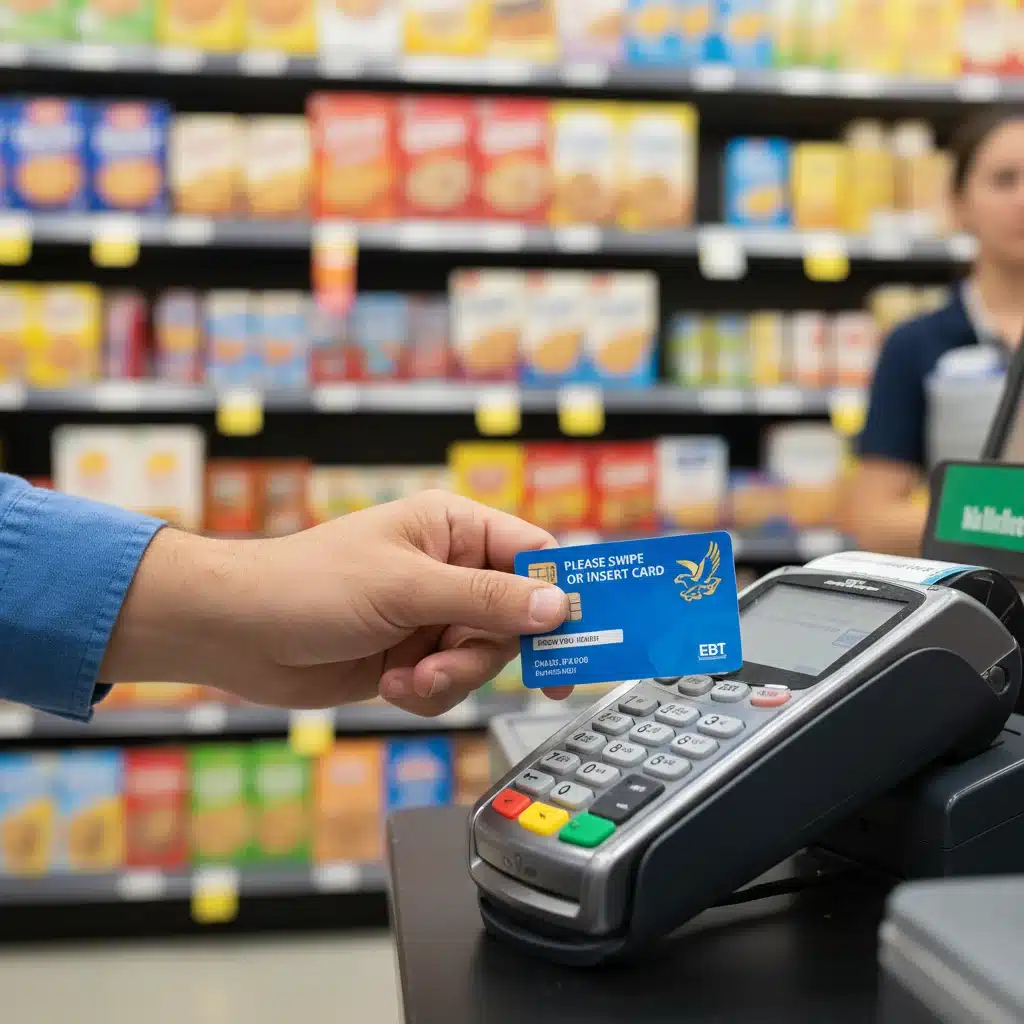
During public health emergencies or major disasters, the federal government can authorize emergency allotments (EAs) that boost SNAP benefits to the maximum allowable for a household size. While the widespread EAs from the COVID-19 pandemic have largely ended, it’s important to be aware that such provisions can be reinstated under specific circumstances. The SNAP Guidelines 2026 will likely maintain mechanisms for rapid response to crises, which could include temporary benefit increases.
Strategies to Maximize Your Food Assistance Under New Guidelines
Navigating new regulations can be challenging, but with the right strategies, you can ensure you’re receiving the maximum possible food assistance under the SNAP Guidelines 2026. Proactive engagement and accurate reporting are key.
1. Understand and Report All Deductions
Many households overlook eligible deductions, which can significantly lower their net income and increase their SNAP benefits. Make sure you report all applicable expenses:
- Medical Expenses: If you or an elderly/disabled household member has out-of-pocket medical costs (premiums, co-pays, prescriptions, transportation to appointments), keep detailed records.
- Child Care/Dependent Care: Costs associated with care that allows a household member to work, look for work, or attend school.
- Shelter Costs: Rent/mortgage, property taxes, homeowner’s insurance, utilities (electricity, gas, water, trash, phone). Even if you don’t pay all utilities separately, you might qualify for a standard utility allowance.
- Child Support Payments: Court-ordered payments made to a non-household member.
Gathering documentation for these expenses throughout the year will make the application or recertification process much smoother.
2. Accurately Report Household Composition and Income
Any changes in your household composition (births, deaths, people moving in or out) or income (new job, raise, job loss, change in hours) must be reported to your state SNAP agency within the specified timeframe (usually 10 days). Failure to do so can result in overpayments that need to be repaid or underpayments that you miss out on. Accurate and timely reporting ensures your benefits are calculated correctly according to the SNAP EBT Rules Effective January 2026.
3. Stay Informed About State-Specific Waivers and Programs
While federal guidelines set the baseline, states often have waivers or specific programs that can affect eligibility or benefit levels. For example, some states may have higher income limits or different work requirement exemptions. Regularly check your state’s SNAP agency website or contact them directly for the most up-to-date local information relevant to SNAP Guidelines 2026.
4. Utilize Available Resources and Support
Many organizations offer assistance with SNAP applications and understanding benefits. These include local food banks, community action agencies, and non-profit organizations. They can help you navigate the paperwork, understand complex rules, and ensure you’re taking advantage of all available benefits.
5. Plan for Recertification
SNAP benefits are not permanent; you must recertify periodically (usually every 6-12 months). Mark your calendar and gather all necessary documents well in advance of your recertification date. This is a prime opportunity to ensure all your information is current and that you’re maximizing your benefits under the latest SNAP Eligibility 2025.
The Impact of SNAP Guidelines 2026 on Different Demographics
The changes introduced by the SNAP Guidelines 2026 will not affect all demographics equally. Certain groups may experience a more pronounced impact, either positively or negatively, depending on the specifics of the updates.
Seniors and Individuals with Disabilities
Historically, SNAP has provided crucial support to seniors and individuals with disabilities, who often live on fixed incomes and face high medical costs. Any increases in medical expense deductions or asset limits could be particularly beneficial for these groups. Additionally, modifications to work requirements typically do not apply to these populations, offering a stable source of food assistance.
Working Families
Families with working members often face the challenge of being just above income thresholds. If the income limits are raised for SNAP Guidelines 2026, more working families could become eligible or receive higher benefits, helping to bridge the gap between low wages and the cost of living. Increased earned income deductions would also provide significant relief.
College Students
SNAP eligibility for college students can be complex, often requiring them to meet specific criteria beyond general income limits, such as working a certain number of hours, participating in a work-study program, or caring for a dependent. The SNAP Guidelines 2026 might introduce clarifications or expansions to student eligibility, potentially making it easier for low-income students to access food assistance while pursuing their education.
Rural vs. Urban Populations
While federal guidelines apply nationwide, their impact can vary geographically. For instance, higher shelter deductions might be more beneficial in urban areas with higher housing costs, while increased mileage allowances for medical transportation could be more impactful in rural areas. States also have discretion in how they apply certain rules, which can create regional differences in benefit access under the SNAP Guidelines 2026.
The Broader Implications of Updated SNAP Guidelines
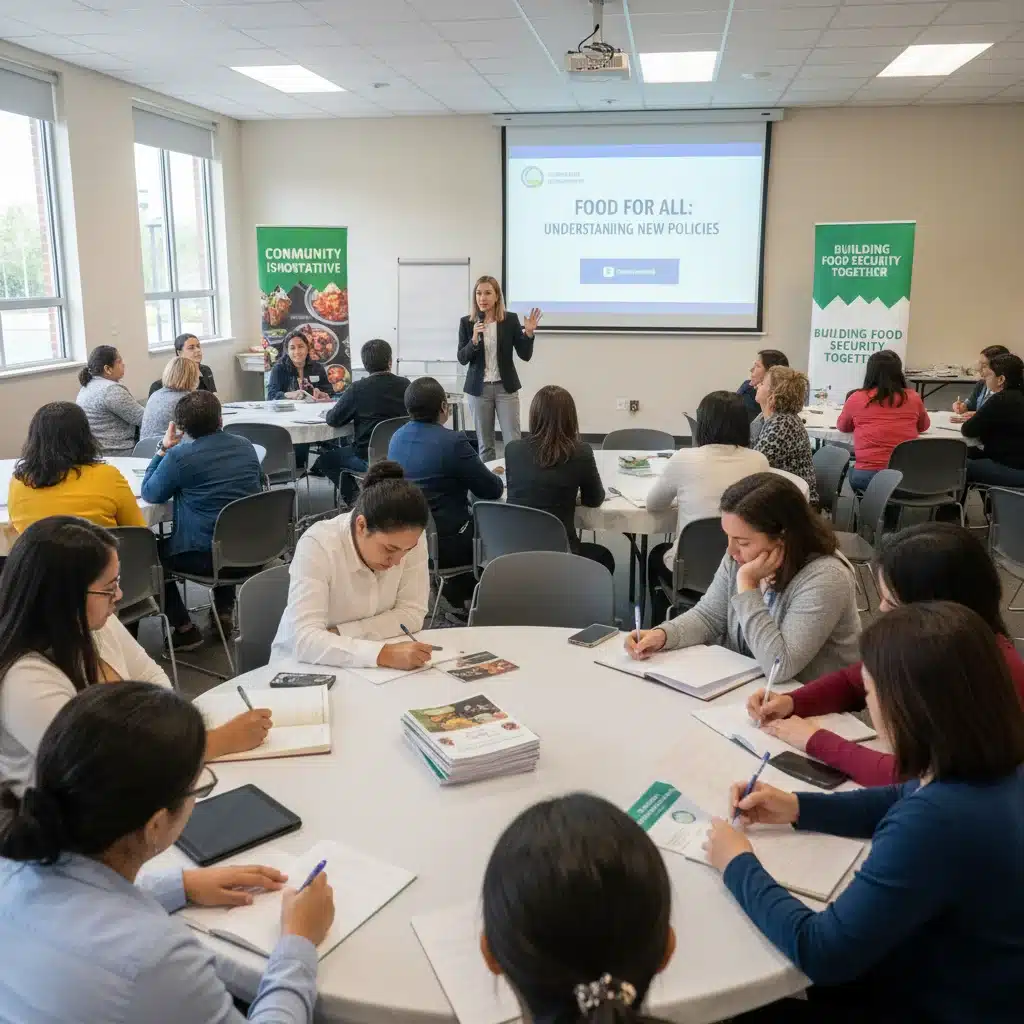
Beyond individual household benefits, the SNAP Guidelines 2026 have broader implications for public health, local economies, and food systems. SNAP is not just a welfare program; it’s an economic stimulus that injects federal dollars into local communities, supporting grocery stores, farmers, and related businesses.
Public Health Outcomes
Adequate nutrition is fundamental to public health. By ensuring access to healthy food, SNAP helps reduce rates of diet-related diseases, improve educational outcomes for children, and enhance overall productivity. Any changes that strengthen SNAP, such as benefit increases or expanded eligibility, are likely to have positive ripple effects on community health.
Economic Impact
Every dollar in SNAP benefits generates an estimated $1.50 to $1.80 in economic activity. When benefits are spent at grocery stores, they support jobs in retail, transportation, and agriculture. The SNAP Guidelines 2026, particularly any benefit increases, will contribute to local economies, especially in areas with high rates of food insecurity.
Food System Resilience
SNAP helps stabilize demand for food products, which can contribute to the resilience of the food system. It ensures that even during economic downturns, there is a consistent demand for agricultural products, supporting farmers and food producers. Adaptations in the SNAP Guidelines 2026 could further strengthen this link, especially if they encourage purchasing from local farmers’ markets or through initiatives like SNAP EBT at Farmers Markets.
Staying Updated: Where to Find Official Information on SNAP Guidelines 2026
Given the importance and complexity of SNAP Guidelines 2026, relying on official and reputable sources for information is paramount. Misinformation can lead to missed benefits or compliance issues.
Official USDA Resources
The Food and Nutrition Service (FNS) of the USDA is the primary federal agency responsible for SNAP. Their website is the authoritative source for federal policy changes, benefit levels, and program details. Regularly checking their announcements and publications is essential.
State SNAP Agencies
Each state administers its own SNAP program within federal guidelines. You can find your state’s specific rules, application forms, and contact information on your state’s Department of Social Services or Human Services website. These sites will provide the most accurate local information regarding SNAP Guidelines 2026 as they are implemented in your area.
Trusted Non-Profit Organizations
Organizations like Feeding America, local food banks, and anti-hunger advocacy groups often provide excellent resources, summaries of changes, and direct assistance to individuals navigating SNAP. They can be invaluable for understanding how federal changes translate to practical steps for recipients.
Legislative Updates
Keep an eye on news from Congress and state legislatures, as new laws can directly influence SNAP policy. Major changes to programs like SNAP often originate from legislative action. Following reputable news sources that cover social policy and government programs can help you anticipate upcoming shifts in SNAP Guidelines 2026.
Conclusion: Preparing for the Future of Food Assistance
The upcoming SNAP Guidelines 2026 represent an important juncture for millions of Americans who rely on food assistance. While the specifics are still being finalized, anticipating changes in eligibility criteria, benefit amounts, and program rules is a proactive step toward maintaining food security for your household.
By understanding the foundation of SNAP, staying informed about potential updates to income thresholds, deductions, and work requirements, and actively implementing strategies to maximize your benefits, you can confidently navigate the evolving landscape of food assistance. Remember to utilize official resources, report changes accurately, and seek assistance from trusted organizations when needed.
The goal of SNAP remains steadfast: to ensure that all eligible individuals and families have access to nutritious food. As we move closer to 2026, empower yourself with knowledge and prepare to adapt to the new guidelines, ensuring that you and your loved ones continue to receive the vital support necessary for a healthy and stable life.