Federal Disaster Preparedness 2026: Strengthening Local Resilience

Anúncios
In an era defined by increasing climate volatility and complex global challenges, the imperative for robust Federal Disaster Preparedness has never been more critical. As we look towards 2026, the landscape of emergency management is undergoing a profound transformation, moving beyond reactive responses to embrace a proactive, community-centric approach. This shift acknowledges that while federal agencies provide essential frameworks and resources, the true strength of a nation’s resilience lies in the preparedness and adaptive capacity of its local communities.
Anúncios
The year 2026 marks a pivotal moment where advancements in technology, refined policy frameworks, and enhanced inter-agency collaboration are converging to redefine how the United States prepares for, responds to, and recovers from disasters. This article delves into the evolving strategies and initiatives that underpin Federal Disaster Preparedness, highlighting the critical role of local communities in strengthening national resilience. We will explore how federal efforts are empowering these communities, fostering innovation, and building a more secure future against a backdrop of escalating threats.
The Evolving Landscape of Federal Disaster Preparedness in 2026
The concept of Federal Disaster Preparedness in 2026 is far more comprehensive than ever before. It’s no longer solely about stockpiling supplies or drafting evacuation plans; it encompasses a holistic strategy that integrates climate science, technological innovation, social equity, and economic stability. The federal government, through agencies like FEMA, NOAA, and the Department of Homeland Security, is spearheading initiatives designed to anticipate emerging threats and build systemic resilience.
Anúncios
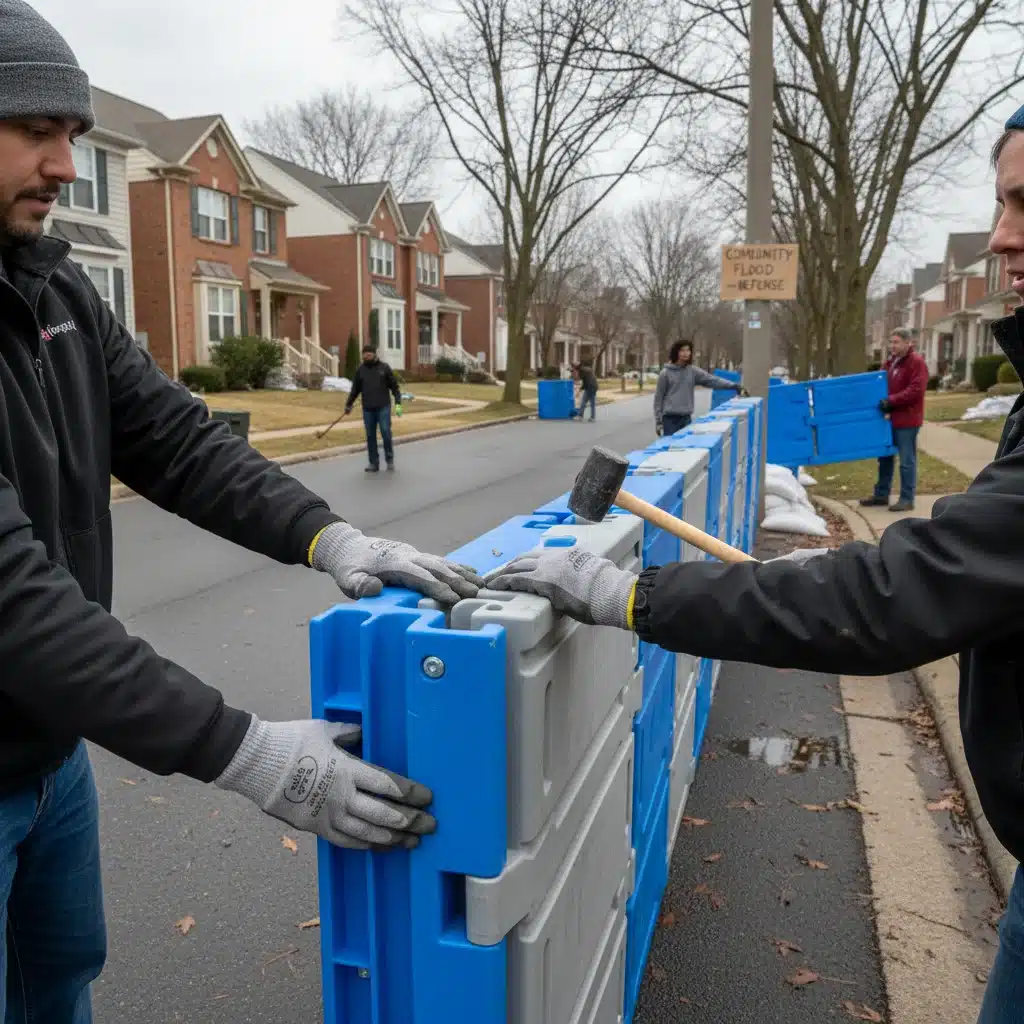
One of the most significant shifts is the increased emphasis on predictive analytics and early warning systems. Leveraging artificial intelligence and big data, federal agencies are developing sophisticated models that can forecast disaster impacts with unprecedented accuracy. This allows for more targeted resource allocation and timely community alerts, giving local authorities precious hours or even days to prepare. For instance, advanced climate models are now capable of predicting extreme weather events with higher precision, enabling communities to implement pre-emptive measures like localized evacuations or the deployment of temporary flood barriers.
Furthermore, the notion of ‘all-hazards’ preparedness has matured. While natural disasters remain a primary focus, Federal Disaster Preparedness strategies now equally prioritize cyberattacks, pandemics, infrastructure failures, and even space weather events. This expanded scope demands a more integrated and flexible approach, requiring seamless coordination across various federal departments and with international partners. The lessons learned from recent global crises have underscored the interconnectedness of threats and the necessity for a multi-faceted defense.
Another crucial element is the focus on critical infrastructure resilience. Recognizing that the backbone of modern society – from energy grids to communication networks – is increasingly vulnerable, federal programs are investing heavily in hardening these systems. This includes promoting smart grid technologies, developing redundant communication pathways, and incentivizing the adoption of resilient building codes. The goal is not just to protect these assets but to ensure their rapid restoration, minimizing disruption and accelerating recovery.
The legal and policy frameworks governing Federal Disaster Preparedness have also been updated to reflect these evolving challenges. Legislation and executive orders in the lead-up to 2026 have streamlined funding mechanisms, encouraged inter-agency data sharing, and mandated regular, comprehensive risk assessments at both national and regional levels. These policy adjustments aim to create a more agile and responsive federal apparatus, capable of adapting to unforeseen circumstances and supporting local needs effectively.
Empowering Local Communities: The Cornerstone of Resilience
While federal oversight is essential, the true impact of Federal Disaster Preparedness is felt at the local level. In 2026, there’s a heightened recognition that communities are not just recipients of aid but active partners in building resilience. Federal initiatives are increasingly designed to empower local governments, non-profits, and grassroots organizations with the resources, knowledge, and autonomy to tailor preparedness strategies to their unique contexts.
One of the most impactful ways this empowerment is realized is through direct funding and grant programs. Federal grants are now more accessible and flexible, allowing local entities to invest in a wide range of preparedness activities, from updating emergency operations centers to conducting community-wide drills and educational campaigns. These funds are often tied to performance metrics, encouraging effective and sustainable investments that yield tangible improvements in local readiness.
Beyond financial support, federal agencies are providing robust technical assistance and training. Experts from FEMA, the National Guard, and other specialized agencies are working directly with local emergency managers, offering guidance on risk assessment, planning, and response protocols. This hands-on approach ensures that local teams are equipped with the latest best practices and are proficient in utilizing advanced tools and technologies. For instance, specialized training programs are now available for local officials on topics such as climate change adaptation planning, cyber incident response, and psychological first aid.
Data sharing and open-source platforms are also playing a vital role. Federal agencies are making vast datasets on climate patterns, infrastructure vulnerabilities, and demographic information readily available to local planners. This democratized access to information allows communities to conduct more informed risk analyses and develop evidence-based preparedness plans. Furthermore, federal support for open-source emergency management software enables smaller communities with limited budgets to access sophisticated tools without prohibitive costs.
Community engagement is another critical pillar. Federal programs are actively promoting the involvement of citizens in preparedness efforts, recognizing that an informed and engaged populace is the first line of defense. Initiatives like community emergency response teams (CERT) are receiving renewed federal backing, providing training and resources for volunteers to assist professional responders during emergencies. This builds social cohesion and a collective sense of responsibility, vital for effective disaster response and recovery.
Technological Innovations Driving Federal Disaster Preparedness
Technology is a game-changer in Federal Disaster Preparedness, and by 2026, its integration is seamless and pervasive. From advanced sensors to sophisticated communication networks, innovation is enhancing every stage of the disaster management cycle.
The proliferation of IoT (Internet of Things) devices and sensor networks provides real-time environmental monitoring capabilities. Imagine smart sensors deployed in rivers, coastal areas, and urban infrastructure, continuously feeding data on water levels, air quality, and structural integrity. This deluge of data, processed by AI algorithms, allows for granular, hyper-local hazard assessments and immediate alerts, far surpassing the capabilities of traditional monitoring systems. These networks are crucial for predicting flash floods, monitoring wildfires, and even detecting early signs of structural compromise in bridges or buildings.
Drones and autonomous vehicles are increasingly being utilized for damage assessment, search and rescue operations, and delivering critical supplies to inaccessible areas. Equipped with high-resolution cameras, thermal imaging, and even chemical sensors, drones can provide invaluable situational awareness without endangering human responders. Autonomous ground vehicles are also being tested for their ability to navigate debris-strewn areas to deliver medical aid or perform reconnaissance, extending the reach and safety of emergency operations.
Communication technologies have also seen significant advancements. Satellite-based internet, robust mesh networks, and resilient communication platforms ensure that even when traditional infrastructure fails, emergency responders and affected communities can stay connected. Federal investments in these technologies aim to create redundant and secure communication channels, vital for coordinating response efforts and disseminating public safety information. The development of next-generation emergency alert systems, capable of reaching specific populations with highly localized and actionable information, is also a key focus.
Artificial intelligence and machine learning are not just for predictive analytics; they are transforming resource management and logistical planning. AI-powered systems can optimize the allocation of emergency personnel, medical supplies, and equipment based on real-time needs and projected impacts. This ensures that resources are deployed efficiently and effectively, minimizing waste and maximizing impact during critical periods. For example, AI can analyze traffic patterns and road conditions to identify optimal evacuation routes or delivery paths for relief convoys.
Furthermore, virtual and augmented reality (VR/AR) are revolutionizing training for emergency responders. By simulating realistic disaster scenarios, these technologies allow responders to practice complex procedures in a safe, controlled environment, enhancing their skills and decision-making capabilities without the risks associated with live drills. This includes training for hazardous material incidents, urban search and rescue, and mass casualty events, providing an immersive and highly effective learning experience.
Inter-Agency Collaboration and Public-Private Partnerships
Effective Federal Disaster Preparedness in 2026 is inherently a collaborative endeavor. The complexity and scale of modern disasters necessitate seamless coordination not only among federal agencies but also with state, local, tribal, and territorial (SLTT) governments, the private sector, and non-governmental organizations (NGOs).
Federal agencies have established more robust protocols for inter-agency cooperation. Joint task forces, shared data platforms, and integrated command structures ensure that diverse federal resources, from military assets to scientific expertise, can be rapidly mobilized and deployed. Exercises and drills are increasingly multi-agency, simulating complex scenarios that require coordinated responses from multiple departments, refining communication channels and operational procedures.
Public-private partnerships (PPPs) are gaining significant traction. The private sector possesses vast resources, technological expertise, and logistical capabilities that are invaluable during emergencies. Federal programs are actively fostering partnerships with corporations in critical sectors like logistics, telecommunications, energy, and healthcare. These partnerships can range from pre-negotiated contracts for emergency services and supplies to collaborative research and development efforts for new resilience technologies. For example, agreements with major retailers for rapid distribution of essential goods or with tech companies for emergency communication solutions are becoming commonplace.
NGOs, with their deep community roots and specialized expertise, are also integral partners. Organizations like the American Red Cross, Salvation Army, and countless local charities play a crucial role in providing immediate relief, shelter, and long-term recovery support. Federal agencies collaborate closely with these NGOs, providing funding, logistical support, and integration into overall disaster response plans, ensuring that aid reaches those most in need efficiently and equitably.
The emphasis on equity and inclusion in preparedness efforts is also more pronounced. Federal guidelines now stress the importance of engaging marginalized and vulnerable populations in planning processes. This includes developing culturally sensitive communication strategies, ensuring accessibility of shelters and services, and addressing the unique needs of different demographic groups. The goal is to ensure that no community is left behind in the face of a disaster, promoting a more just and resilient society.
The Role of Climate Change Adaptation in Federal Disaster Preparedness
Climate change is undeniably shaping the future of Federal Disaster Preparedness. By 2026, adaptation and mitigation strategies are fully integrated into all levels of planning. The increasing frequency and intensity of extreme weather events – from hurricanes and wildfires to floods and heatwaves – demand a proactive approach to building resilience against a changing climate.
Federal agencies are investing in climate-resilient infrastructure projects. This includes funding for coastal protection measures like natural barrier restoration and seawalls, upgrading stormwater management systems in urban areas, and promoting the construction of climate-resistant buildings. The focus is on ‘building back better’ after disasters, but also on ‘building better now’ through forward-looking urban planning and development policies.
Research and development into climate science are receiving unprecedented federal support. Understanding future climate scenarios and their localized impacts is crucial for effective long-term planning. This involves supporting academic institutions, national laboratories, and international collaborations to advance climate modeling, risk assessment methodologies, and innovative adaptation technologies. The insights gained from this research directly inform policy decisions and investment priorities for Federal Disaster Preparedness.
Natural infrastructure solutions are also gaining prominence. Recognizing the protective benefits of ecosystems, federal programs are promoting the restoration of wetlands, forests, and other natural landscapes that can act as buffers against climate impacts. For example, mangrove forests can mitigate storm surge, and healthy watersheds can reduce flood risks. These ‘nature-based solutions’ offer cost-effective and environmentally friendly alternatives or complements to traditional engineering approaches.
Furthermore, federal policies are encouraging states and localities to incorporate climate risk assessments into their land-use planning and zoning regulations. This means discouraging development in high-risk areas, promoting resilient building practices, and fostering sustainable urban growth. Incentives are being offered to communities that adopt these forward-thinking policies, aligning local development with national resilience goals.

Challenges and Future Outlook for Federal Disaster Preparedness
Despite significant advancements, the path to comprehensive Federal Disaster Preparedness in 2026 is not without its challenges. Funding remains a perennial concern, as the costs of both preparing for and responding to disasters continue to escalate. Ensuring sustained investment in resilience-building initiatives requires consistent political will and innovative financing mechanisms.
The complexity of coordinating efforts across multiple jurisdictions and stakeholders also presents an ongoing challenge. While collaboration has improved, maintaining seamless communication and shared situational awareness during rapidly evolving crises requires continuous refinement of protocols and technologies. The ‘fog of war’ effect can still impede effective response, and overcoming bureaucratic hurdles remains a priority.
Addressing social equity gaps in preparedness and recovery is another critical area. Vulnerable populations often bear the disproportionate brunt of disasters, and ensuring that federal programs reach these communities effectively and equitably requires targeted outreach, culturally competent services, and active community participation in planning processes. This involves moving beyond a ‘one-size-fits-all’ approach to disaster assistance.
The rapid pace of technological change also presents a double-edged sword. While new technologies offer immense potential, they also introduce new vulnerabilities, particularly in the realm of cybersecurity. Protecting critical infrastructure and sensitive data from cyber threats is an increasingly vital component of Federal Disaster Preparedness. Furthermore, ensuring that local communities have the capacity and training to effectively utilize advanced technologies is essential to bridge the digital divide in emergency management.
Looking ahead, the future of Federal Disaster Preparedness will likely see even greater integration of artificial intelligence, advanced robotics, and biotech solutions. Predictive modeling will become even more sophisticated, potentially allowing for truly pre-emptive interventions rather than just early warnings. The concept of ‘resilience as a service’ might emerge, where specialized private entities offer comprehensive disaster preparedness and recovery solutions to communities, supported by federal frameworks.
International cooperation will also become increasingly vital. As climate change impacts transcend national borders and global supply chains remain interconnected, collaborating with international partners on early warning systems, resource sharing, and joint research will be essential for global resilience. The U.S. will continue to play a leading role in shaping international norms and standards for disaster risk reduction.
Conclusion
In conclusion, Federal Disaster Preparedness in 2026 is characterized by a dynamic, multi-layered approach that prioritizes proactive measures, technological innovation, and, most importantly, the empowerment of local communities. The federal government’s commitment to building a more resilient nation is evident in its evolving policies, significant investments, and fostering of collaborative partnerships.
By strengthening the capacity of local communities to anticipate, withstand, and rapidly recover from disasters, the nation as a whole becomes more secure. The journey towards comprehensive resilience is ongoing, demanding continuous adaptation, learning, and investment. However, the trajectory towards 2026 shows a clear and promising commitment to safeguarding lives, livelihoods, and the future prosperity of all Americans against the unpredictable forces of nature and other emerging threats. The synergy between federal guidance and local action is the bedrock upon which a truly resilient future will be built.