2026 Federal Student Loan Forgiveness: Essential Guide for U.S. Graduates

Anúncios
Navigating the complex world of federal student loans can be daunting, especially with the constant evolution of policies and programs. For U.S. graduates, understanding the future of federal student loan forgiveness is not just important – it’s crucial for financial planning and peace of mind. As we look towards 2026, significant changes are on the horizon that could impact millions. This comprehensive guide aims to demystify these changes, providing you with the knowledge to prepare effectively and maximize your potential for loan forgiveness.
Anúncios
The concept of Federal Student Forgiveness 2026 is a topic of intense discussion among policymakers, financial experts, and, most importantly, borrowers. With the economic landscape continually shifting and new legislative priorities emerging, the rules governing student loan forgiveness are rarely static. This article will delve into the anticipated alterations, explain who might be affected, and offer actionable steps you can take today to position yourself for success in the future. Whether you’re a recent graduate or have been managing your loans for years, staying informed is your best strategy.
Understanding the Current Landscape of Federal Student Loan Forgiveness
Before we project into the future, it’s essential to grasp the current mechanisms of federal student loan forgiveness. Several programs exist today, each with specific eligibility criteria and benefits. These programs serve different populations and situations, from public service workers to those facing severe financial hardship. A foundational understanding of these programs will help you appreciate the nuances of the upcoming changes for Federal Student Forgiveness 2026.
Anúncios
Key Existing Forgiveness Programs
Public Service Loan Forgiveness (PSLF)
The Public Service Loan Forgiveness (PSLF) program is perhaps one of the most well-known and impactful. It offers forgiveness for the remaining balance on Direct Loans after 120 qualifying monthly payments have been made under a qualifying repayment plan while working full-time for a qualifying employer. Qualifying employers typically include government organizations (federal, state, local, or tribal) and not-for-profit organizations. The stringent requirements for PSLF often lead to confusion, making it vital for borrowers to meticulously track their employment and payments.
Income-Driven Repayment (IDR) Plan Forgiveness
Income-Driven Repayment (IDR) plans are designed to make student loan payments more manageable by capping them at a percentage of your discretionary income. There are several IDR plans, including Revised Pay As You Earn (REPAYE), Pay As You Earn (PAYE), Income-Based Repayment (IBR), and Income-Contingent Repayment (ICR). A significant benefit of these plans is that any remaining loan balance is forgiven after 20 or 25 years of qualifying payments, depending on the plan and when you took out your loans. While this offers long-term relief, the forgiven amount may be considered taxable income by the IRS, a factor crucial for future planning regarding Federal Student Forgiveness 2026.
Teacher Loan Forgiveness
Teachers who serve for five complete and consecutive academic years in low-income schools or educational service agencies may be eligible for Teacher Loan Forgiveness. The amount of forgiveness can be up to $17,500 for highly qualified math, science, or special education teachers, and up to $5,000 for other eligible teachers. This program specifically targets educators who dedicate their careers to underserved communities.
Total and Permanent Disability (TPD) Discharge
Borrowers who are totally and permanently disabled may qualify for a Total and Permanent Disability (TPD) discharge, which relieves them from repaying their federal student loans. Eligibility is determined through documentation from the Department of Veterans Affairs (VA), the Social Security Administration (SSA), or a physician.
Borrower Defense to Repayment
This program offers relief to students whose schools engaged in misconduct, such as making false promises or defrauding students. If a school is found to have misled students, those students may be eligible to have their federal student loans discharged. This has been a significant area of focus in recent years, with many students from defunct for-profit institutions receiving discharges.
The Road to 2026: Anticipated Changes and Policy Shifts
The year 2026 is not an arbitrary date; it often represents a horizon for policy implementation, sunset clauses for existing legislation, or the culmination of multi-year initiatives. Understanding the drivers behind potential changes in Federal Student Forgiveness 2026 requires an examination of legislative proposals, administrative actions, and the broader economic and political climate.
Legislative Proposals and Debates
Congress frequently debates various proposals to reform the federal student loan system. These discussions often include provisions for expanding or limiting forgiveness programs, simplifying application processes, or addressing the taxability of forgiven amounts. While specific bills may come and go, the underlying themes of affordability, accessibility, and accountability remain central. Any major overhaul of student loan forgiveness would likely require congressional action, which can be a slow and complex process.
Administrative Actions and Regulatory Changes
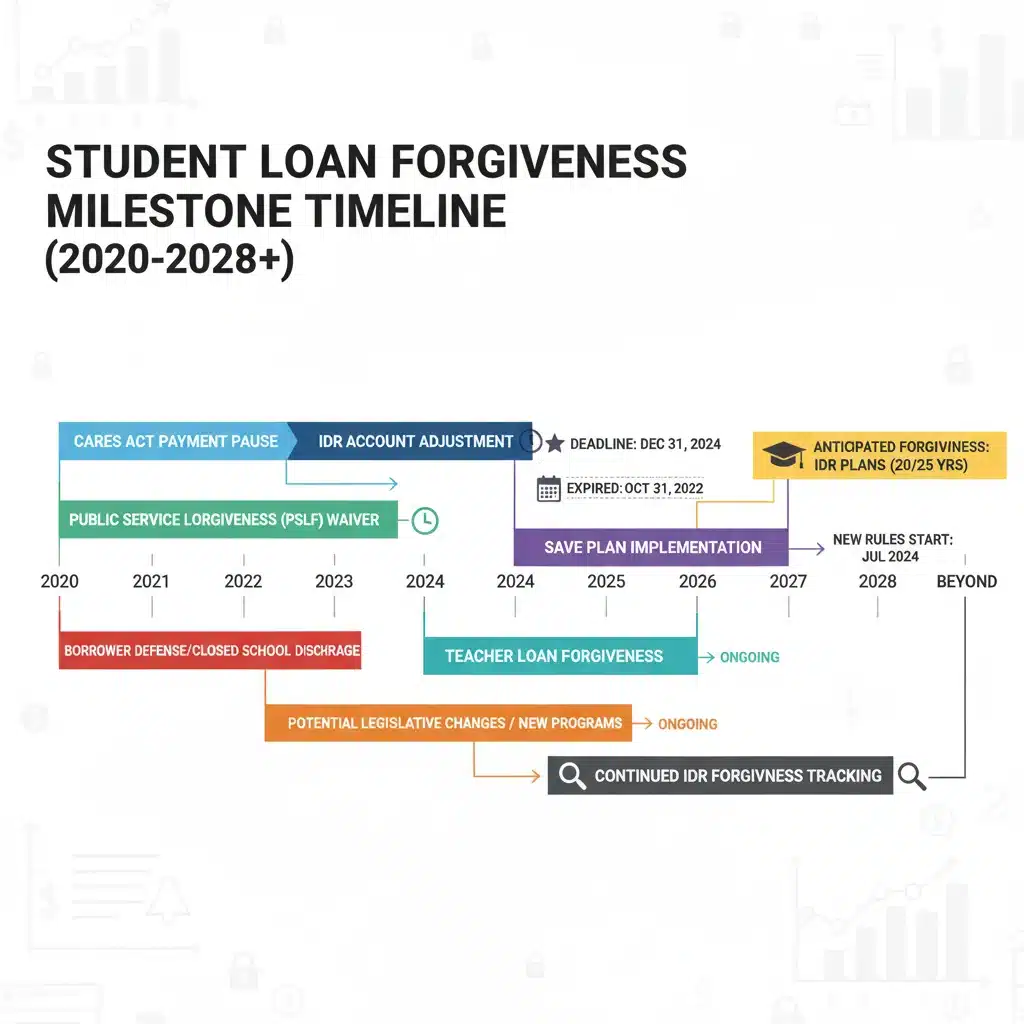
Beyond legislative action, the Department of Education has significant power to modify how existing programs are administered. This can include updating regulations, issuing new guidance, or implementing executive actions. Recent years have seen the Biden administration take steps to improve existing IDR plans and PSLF, for example, by conducting one-time adjustments to payment counts. These administrative changes can have a profound impact on borrowers, even without new laws being passed. The current administration has signaled a strong intent to streamline and enhance forgiveness pathways, and these efforts are likely to continue influencing the landscape up to and beyond Federal Student Forgiveness 2026.
Economic Factors and Their Influence
The state of the economy plays a crucial role in the conversation around student loan forgiveness. High inflation, interest rate fluctuations, and employment trends can all influence public demand for relief and policymakers’ willingness to implement changes. A robust economy might lead to calls for more stringent repayment, while an economic downturn could amplify calls for broader forgiveness measures. These external factors will undoubtedly shape the policies that come into effect by Federal Student Forgiveness 2026.
Who Will Be Affected by Federal Student Forgiveness 2026 Changes?
The impact of any changes to federal student loan forgiveness programs will vary widely depending on a borrower’s specific circumstances. Understanding who is most likely to be affected can help you assess your own situation and plan accordingly.
New Graduates
Recent graduates entering the workforce in the coming years will be directly impacted by any new rules. Their initial repayment strategies, choice of repayment plan, and long-term financial planning will need to align with the updated forgiveness landscape. For them, understanding Federal Student Forgiveness 2026 is about setting a foundation for their entire loan repayment journey.
Borrowers Already in Repayment
Those who have been in repayment for several years, particularly those pursuing PSLF or IDR forgiveness, will need to pay close attention to how changes might affect their accumulated qualifying payments or remaining balances. Retroactive application of new rules could be beneficial, while stricter requirements could alter their forgiveness timelines.
Specific Professions and Income Levels
Changes could specifically target certain professions (e.g., healthcare workers, first responders) or income brackets. For instance, adjustments to IDR plans could make them more or less generous for low-income borrowers, or new programs might emerge to support critical sectors of the economy. These targeted changes are often a reflection of societal needs and policy priorities.
Preparing for Federal Student Forgiveness 2026: Actionable Steps
Regardless of the specific changes that materialize, there are proactive steps all federal student loan borrowers can take to prepare for the future. Being informed and organized will put you in the best possible position to adapt to new rules and maximize your forgiveness opportunities.
1. Stay Informed and Monitor Official Sources
The most critical step is to regularly check official sources for updates. The U.S. Department of Education’s StudentAid.gov website is the authoritative resource for federal student loan information. Subscribe to their newsletters, follow reputable financial news outlets, and consult with non-profit student loan counseling agencies. Avoid relying on rumors or unverified information. Staying current with developments related to Federal Student Forgiveness 2026 will be paramount.
2. Understand Your Current Loan Details
Access your loan details through StudentAid.gov. Know your loan types (Direct, FFEL, Perkins), your loan servicers, your current repayment plan, and your interest rates. This fundamental knowledge is essential for assessing how any new policies might apply to you. Consolidating certain loan types (like FFEL or Perkins loans) into a Direct Consolidation Loan can sometimes make them eligible for programs like PSLF or certain IDR plans, so understanding your loan portfolio is key.
3. Review and Update Your Repayment Plan
Evaluate if your current repayment plan is still the best fit for your financial situation and long-term goals. If you are pursuing forgiveness, ensure you are enrolled in a qualifying IDR plan or making qualifying PSLF payments. The new SAVE Plan (Saving on a Valuable Education), for example, offers more generous terms for many borrowers, including lower monthly payments and a higher income exemption. Regularly recalculating your IDR payments based on your current income and family size is crucial.
4. Keep Meticulous Records
This cannot be stressed enough, especially for those pursuing PSLF or long-term IDR forgiveness. Keep copies of all correspondence with your loan servicer, payment confirmations, employment verification forms, and any documents related to your loan history. A digital and physical backup system is highly recommended. These records will be invaluable if you ever need to dispute payment counts or eligibility for Federal Student Forgiveness 2026.
5. Consider Financial Counseling
If you’re feeling overwhelmed or unsure about your best course of action, consider seeking advice from a certified financial planner or a non-profit student loan counselor. They can offer personalized guidance based on your unique financial situation and help you navigate the complexities of federal student loan programs. Be wary of companies that promise quick fixes or charge upfront fees for services that are free through the Department of Education.

6. Understand the Tax Implications of Forgiveness
Currently, under the American Rescue Plan Act of 2021, most federal student loan forgiveness is temporarily tax-free through December 31, 2025. This means that for many IDR forgiveness events occurring before this date, borrowers won’t owe federal income tax on the forgiven amount. However, this provision is set to expire. Unless extended or made permanent, forgiven amounts under IDR plans could once again be considered taxable income by the IRS starting in 2026. This is a critical factor for anyone anticipating forgiveness around or after the Federal Student Forgiveness 2026 timeframe, as a substantial tax bill could offset the benefits of forgiveness. PSLF, by contrast, is generally tax-free.
Potential Scenarios for Federal Student Forgiveness 2026
While we cannot predict the future with certainty, we can explore several potential scenarios for how federal student loan forgiveness might evolve by 2026. These scenarios are based on current policy discussions, historical trends, and the political climate.
Scenario 1: Incremental Improvements to Existing Programs
This is arguably the most likely scenario. It would involve continued efforts to streamline and improve existing programs like PSLF and IDR. This could mean further adjustments to payment counts, simplified application processes, or expanded definitions of qualifying employment. The goal would be to make these programs more effective and accessible for eligible borrowers without undertaking a complete overhaul of the system. For borrowers, this means a continued focus on meeting current program requirements while benefiting from administrative enhancements.
Scenario 2: New Targeted Forgiveness Programs
In response to specific economic or social needs, new, highly targeted forgiveness programs could emerge. These might focus on particular professions (e.g., nurses in underserved areas, mental health professionals), borrowers with specific financial hardships, or individuals who attended predatory institutions. Such programs would likely have very specific eligibility criteria and might not apply to the general borrower population, but they could offer significant relief to those who qualify. Keeping an eye on legislative proposals related to specific sectors will be important for understanding Federal Student Forgiveness 2026 in this context.
Scenario 3: Broader, Universal Forgiveness Initiatives
While politically more challenging, the possibility of broader, more universal forgiveness initiatives cannot be entirely dismissed. These could take the form of across-the-board debt cancellation up to a certain amount or significant changes to the structure of federal student loans that drastically reduce repayment burdens for most borrowers. Such initiatives would likely require significant legislative action and broad political consensus. While less probable than incremental changes, advocacy groups continue to push for such reforms, making it a scenario to monitor closely.
Scenario 4: Increased Scrutiny and Stricter Requirements
Conversely, a shift in political priorities could lead to increased scrutiny of forgiveness programs, potentially resulting in stricter eligibility requirements, more rigorous verification processes, or even the curtailment of certain benefits. This scenario is less likely given the current trajectory of administrative efforts, but it underscores the importance of staying informed and adhering strictly to all program rules if you are pursuing forgiveness. Any changes that make Federal Student Forgiveness 2026 more difficult would be widely publicized.
Beyond Forgiveness: Other Strategies for Managing Student Debt
While forgiveness is a powerful tool, it’s not the only way to manage student loan debt. A holistic approach to financial wellness often involves a combination of strategies. Even as you prepare for Federal Student Forgiveness 2026, consider these additional options:
Refinancing Private Student Loans
If you have private student loans, refinancing can be an effective way to lower your interest rate or monthly payments, especially if your credit score has improved since you took out the loans. Be aware that refinancing federal loans into a private loan means losing access to federal benefits like IDR plans, forbearance, deferment, and forgiveness programs. This option should only be considered for private loans.
Aggressive Repayment Strategies
For those with disposable income, aggressively paying down your student loans can save you a significant amount in interest over the life of the loan. Strategies like the ‘debt snowball’ or ‘debt avalanche’ can provide a structured approach to accelerating repayment. The debt avalanche method, where you pay off loans with the highest interest rates first, typically saves the most money.
Budgeting and Financial Planning
Creating and sticking to a budget is fundamental to managing any debt. Understanding where your money goes allows you to identify areas where you can cut back and allocate more funds towards your student loans. Financial planning also involves building an emergency fund, investing for the future, and ensuring you have adequate insurance coverage.
Employer-Assisted Repayment Programs
Some employers offer student loan repayment assistance as an employee benefit. This can be a fantastic way to accelerate your debt repayment, as the employer typically makes direct contributions to your loan principal. If you’re job searching or considering a career move, inquire about such benefits. This is a growing trend as companies recognize the burden of student debt on their workforce.
Conclusion: Navigating Your Financial Future with Federal Student Forgiveness 2026
The landscape of federal student loan forgiveness is dynamic, with the year 2026 looming as a potential turning point for many U.S. graduates. While the exact contours of future policies remain to be fully defined, the overarching message is clear: proactive engagement and informed decision-making are your most powerful tools.
By staying vigilant, understanding your current loan situation, meticulously documenting your progress, and exploring all available repayment and forgiveness options, you can confidently navigate the changes ahead. Remember that the goal of Federal Student Forgiveness 2026, and student loan management in general, is to achieve financial stability and freedom. Equip yourself with knowledge, seek expert advice when needed, and take control of your student loan journey. Your future financial well-being depends on the steps you take today.
Continue to monitor StudentAid.gov for the latest announcements, as official updates will provide the most accurate and timely information regarding any new policies or adjustments to existing programs. Your financial future is in your hands – empower yourself with knowledge and strategy.