2026 Census Data: Impact on Local Representation & Resource Allocation
Anúncios
The arrival of a new census data release is always a momentous occasion, but the 2026 census impact is poised to be particularly transformative for communities across the nation. Far more than just a headcount, the data gathered in the 2026 Census will serve as the bedrock for critical decisions that shape local representation, political power dynamics, and the equitable distribution of resources for the next decade. Understanding what this data means, how it’s collected, and its profound implications for your state and local community is not just for policymakers; it’s essential for every citizen.
Anúncios
This comprehensive guide will delve into the intricacies of the 2026 Census data release, exploring its significance in detail. We will examine how population shifts, demographic changes, and economic trends captured by the census directly influence everything from the drawing of political boundaries to the allocation of billions of dollars in federal funding. Prepare to understand the mechanisms through which the 2026 census impact will reverberate through your daily life, affecting schools, healthcare, infrastructure, and much more.
The Foundation of Democracy: Why the Census Matters
At its core, the census is a constitutional mandate, designed to count every person residing in a given area. This seemingly simple act is the very foundation upon which representative democracy is built. The principle of ‘one person, one vote’ relies on accurate population counts to ensure that political representation is fair and proportional. Without precise census data, the balance of power can be skewed, leading to underrepresentation for some communities and overrepresentation for others. The 2026 census impact on this fundamental aspect of governance cannot be overstated.
Anúncios
Redrawing the Lines: Redistricting and Political Power
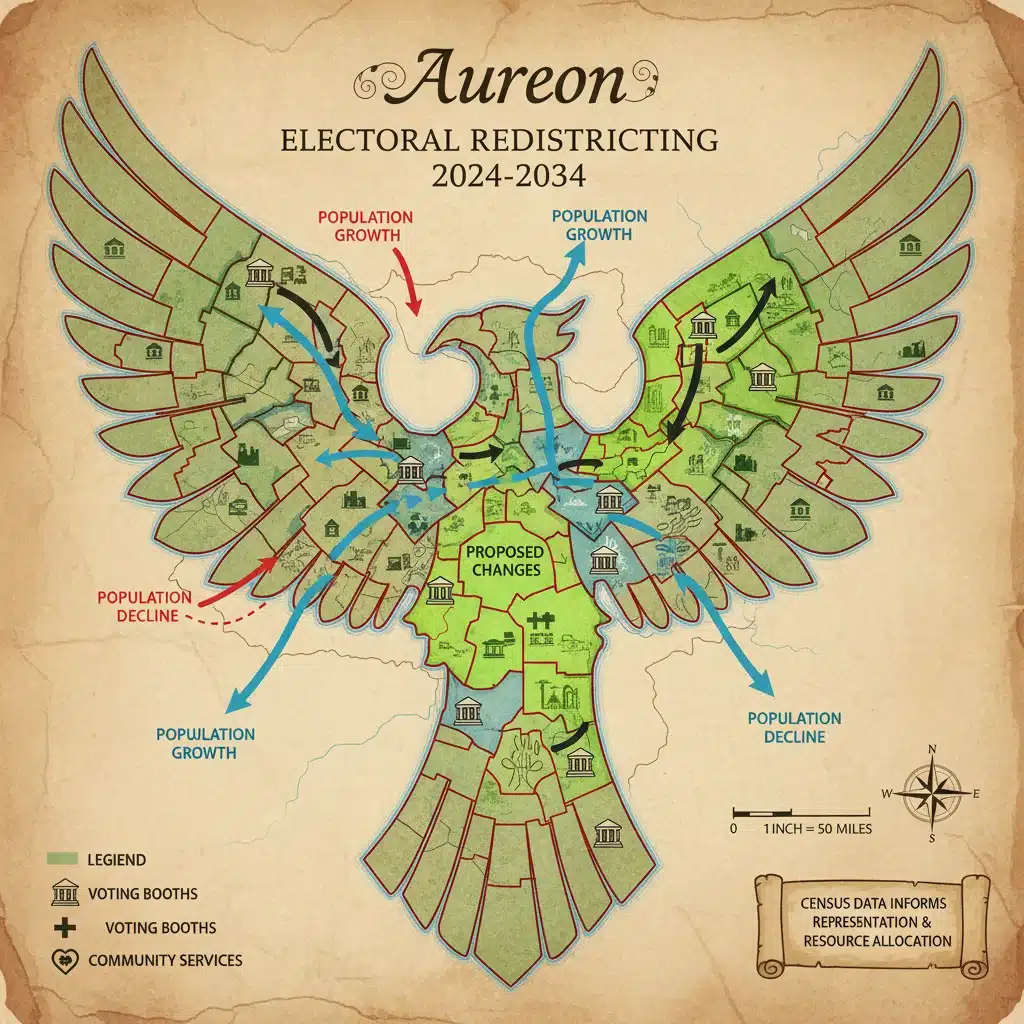
One of the most direct and immediate consequences of the 2026 Census data will be the process of redistricting. Following the release of the population counts, states are required to redraw the boundaries of their congressional and state legislative districts to reflect population changes. This process, often highly contentious, determines who represents you in government and can significantly alter the political landscape for years to come. If your community has seen significant population growth or decline, the 2026 census impact could mean new district lines, new representatives, and a shift in political influence.
Gerrymandering, the practice of manipulating district boundaries to favor one political party or group, is a constant concern during redistricting. Accurate census data is crucial in challenging such practices and advocating for fair maps. Community engagement during this period is vital to ensure that districts are drawn in a way that truly represents the will of the people, rather than partisan interests. The implications for local representation are profound, as newly drawn districts can empower or disenfranchise entire neighborhoods and communities.
Resource Allocation: Billions at Stake
Beyond political representation, the 2026 census impact is perhaps most keenly felt in the realm of resource allocation. Census data is used to distribute billions of dollars in federal funding to states, counties, and cities each year. These funds support a vast array of essential programs and services that directly benefit communities, including:
- Healthcare: Funding for hospitals, Medicaid, children’s health insurance, and public health initiatives.
- Education: Support for schools, special education programs, Pell Grants, and Head Start.
- Infrastructure: Investments in roads, bridges, public transportation, water systems, and broadband internet.
- Social Programs: Funding for housing assistance, food assistance, job training, and community development grants.
- Emergency Services: Support for fire departments, police forces, and disaster preparedness.
An undercount in the census can directly translate to a reduction in these vital funds, leaving communities with fewer resources to address their needs. Conversely, an accurate and complete count ensures that your state and local area receive their fair share, enabling them to provide better services and improve the quality of life for residents. The financial implications of the 2026 census impact are staggering, making a complete count an economic imperative.
Understanding the Data: Demographics and Economic Trends
The 2026 Census collects more than just raw population numbers. It gathers detailed demographic information, including age, gender, race, ethnicity, household composition, and housing characteristics. This rich dataset provides an invaluable snapshot of the nation’s changing demographics and economic trends. For local governments, businesses, and community organizations, this data is gold.
For instance, understanding the age distribution of a community helps planners determine the need for schools, senior centers, or childcare facilities. Data on income levels and employment trends can inform economic development strategies and targeted social programs. The 2026 census impact extends to every sector, providing the evidence base for informed decision-making and strategic planning.
State-Specific Implications of the 2026 Census Impact
While the overall principles of the census apply nationwide, the specific 2026 census impact will vary significantly from state to state. Factors such as population growth rates, internal migration patterns, and the diversity of the population will play a crucial role in determining the outcomes. Let’s consider some common scenarios and their potential effects:
States with Rapid Population Growth
States experiencing rapid population growth, particularly in Sun Belt regions or burgeoning tech hubs, are likely to see an increase in their congressional representation. This means gaining more seats in the U.S. House of Representatives, thereby increasing their political clout on the national stage. Locally, rapid growth necessitates significant investment in infrastructure, public services, and housing. The 2026 census impact for these states will involve intense planning for expansion and managing the demands of a larger populace.
New schools will need to be built, roads expanded, and public transportation systems enhanced. Healthcare facilities will face increased demand, and social services will need to scale up. Accurate census data is paramount for these states to project future needs and secure the necessary federal funding to meet them. Without it, growth can quickly outpace resources, leading to strain on existing systems.
States with Population Decline or Stagnation
Conversely, states experiencing population decline or stagnation may face the loss of congressional seats, reducing their national political influence. This can be a challenging situation, as it often reflects underlying economic or social issues. Locally, these states might see a decrease in federal funding for various programs, requiring creative solutions to maintain essential services with fewer resources. The 2026 census impact here will be focused on adaptation and strategic reallocation.
Communities in these states might need to consolidate services, seek alternative funding sources, or focus on attracting new residents and businesses. The data will highlight areas most affected by out-migration, allowing for targeted interventions. Understanding the specific demographics of those leaving or staying is crucial for developing effective retention and revitalization strategies.
States with Shifting Demographics
Many states are witnessing significant shifts in their demographic makeup, with increasing diversity in racial, ethnic, and age groups. The 2026 Census will provide a detailed picture of these changes, which can have profound implications for representation and resource allocation. For example, a growing elderly population will increase demand for senior services and healthcare, while a younger, more diverse population may require more bilingual education resources and cultural programs.
The 2026 census impact in these states will involve ensuring that new political boundaries reflect this diversity, providing equitable representation for all groups. It will also guide the development of culturally competent services and programs that cater to the evolving needs of the population. Ignoring these demographic shifts, as revealed by the census, can lead to social unrest and ineffective governance.
The Role of Technology and Data Modernization
The 2026 Census will undoubtedly leverage advanced technologies for data collection, processing, and dissemination. Digital self-response options, improved mapping technologies, and sophisticated data analysis tools will aim to enhance accuracy and efficiency. This modernization also presents opportunities for states and local governments to better utilize the data.
Geographic Information Systems (GIS) will play an even more significant role in visualizing and interpreting census data, allowing planners to identify trends and needs at hyper-local levels. Data dashboards and open data initiatives will make the information more accessible to the public, fostering greater transparency and enabling community organizations to advocate more effectively for their needs. The technological advancements will amplify the 2026 census impact by making the data more actionable.
Data Privacy and Security Concerns
With increased reliance on technology comes heightened concerns about data privacy and security. Ensuring the confidentiality of individual responses is paramount to maintaining public trust in the census process. The Census Bureau is legally bound to protect personal information, and robust security measures are always in place. However, public awareness and confidence in these protections are crucial for achieving a complete and accurate count.
States and local entities accessing this data must also adhere to strict privacy protocols. The aggregated and anonymized nature of the publicly released data helps protect individual identities while still providing valuable insights. Addressing these concerns proactively is part of ensuring the success and integrity of the 2026 census impact.
Preparing for the 2026 Census Data Release
For state and local governments, community organizations, and even individual citizens, proactive preparation for the 2026 census impact is key. This involves several critical steps:
1. Advocacy for a Complete Count
Even before the data is released, advocating for a complete and accurate census is crucial. This includes supporting outreach efforts in hard-to-count communities, promoting awareness about the importance of participation, and combating misinformation. A strong advocacy network ensures that every person is counted, maximizing the potential positive 2026 census impact for your state.
2. Data Literacy and Capacity Building
Once the data is released, the ability to understand, interpret, and apply it will be essential. States and local governments should invest in data literacy training for their staff and encourage community organizations to build their capacity for data analysis. This will enable more effective use of the census information for planning and policy development.
3. Strategic Planning and Policy Development
Armed with the new census data, states and localities can engage in strategic planning and policy development. This involves reviewing existing plans, identifying new needs and opportunities based on demographic shifts, and developing targeted interventions. Whether it’s planning for new school construction, expanding public health services, or attracting specific industries, the 2026 census impact provides the evidence base for these decisions.

4. Engagement in Redistricting
For citizens, one of the most direct ways to influence the 2026 census impact is through engagement in the redistricting process. Attend public hearings, review proposed maps, and submit your feedback. Advocating for fair and equitable district lines is a powerful way to ensure that your community’s voice is heard in government.
5. Monitoring and Evaluation
The impact of census data is not a one-time event; it unfolds over the entire decade. States and localities should establish mechanisms to monitor the effects of new policies and resource allocations, evaluating their effectiveness and making adjustments as needed. This continuous feedback loop ensures that the initial 2026 census impact leads to sustained positive outcomes for communities.
Case Studies and Historical Precedent
Looking back at previous census cycles provides valuable insights into the potential 2026 census impact. For example, the 2020 Census revealed significant population shifts from rural to urban and suburban areas, prompting redistricting battles and a reallocation of federal funds. States like Texas and Florida gained congressional seats, while others like New York and California lost them. This directly translated into changes in political representation and the flow of resources.
Historically, census data has been instrumental in addressing inequalities. For instance, civil rights legislation has often relied on demographic data to identify and combat discrimination in voting rights and housing. The detailed information on race, ethnicity, and language proficiency collected by the census helps ensure that services are accessible to all segments of the population.
The 2026 census impact will similarly uncover new challenges and opportunities. Perhaps there will be a significant increase in multi-generational households, requiring new housing and social support models. Or a surge in remote work might lead to a redistribution of population to smaller towns, necessitating infrastructure upgrades in previously overlooked areas. Each census tells a unique story about the nation, and 2026 will be no different.
The Future of Your Community Rests on the Numbers
In conclusion, the 2026 census impact is a multifaceted phenomenon that will touch every aspect of life in your state and local community. From the foundational principles of democratic representation to the practical allocation of billions in funding for essential services, the data collected will serve as the compass guiding decisions for the next ten years. It’s a powerful tool that, when used effectively, can foster equitable growth, improve public services, and strengthen the fabric of society.
Active participation in the census, informed engagement with the data once it’s released, and proactive planning by governmental and non-governmental organizations are all crucial to harnessing the full positive potential of the 2026 census impact. Stay informed, get involved, and understand that the future of your community truly rests on these vital numbers.