Global Economic Headwinds: U.S. Economy in 2025 Updates
Anúncios
Global economic headwinds are projected to significantly influence the U.S. economy in 2025, primarily through persistent inflation, supply chain vulnerabilities, and evolving geopolitical landscapes, necessitating proactive policy responses and business strategies.
Anúncios
The intricate dance of global economics often feels distant, yet its rhythm profoundly impacts our daily lives. As we look towards 2025, the concept of global economic headwinds emerges as a critical factor for the United States. This article delves into the recent updates surrounding these powerful forces and explores how they are expected to shape the U.S. economy in the coming year, offering a comprehensive overview for businesses, policymakers, and the general public.
Understanding the Nature of Global Economic Headwinds
Global economic headwinds refer to a range of adverse external factors that impede economic growth and stability. These are not isolated incidents but rather interconnected challenges that can ripple across borders, affecting trade, investment, and consumer sentiment. Identifying and understanding these forces is the first step in mitigating their potential impact on the U.S. economy.
Anúncios
The complexity of the modern global economy means that a crisis in one region can quickly become a challenge for many. From energy price spikes to geopolitical conflicts, the sources of these headwinds are diverse and often unpredictable. Recognizing their multi-faceted nature is crucial for developing robust economic strategies.
Key Components of Global Headwinds
- Inflationary Pressures: Persistent high inflation globally, often driven by supply chain issues and energy costs.
- Geopolitical Instability: Conflicts and political tensions creating uncertainty and disrupting trade routes.
- Monetary Policy Tightening: Central banks worldwide raising interest rates to combat inflation, potentially slowing global growth.
- Supply Chain Fragility: Ongoing vulnerabilities in global supply chains leading to shortages and price volatility.
These components are not static; they evolve, interact, and often exacerbate one another, creating a dynamic and challenging economic environment. The interconnectedness of global markets means that no single economy, including the U.S., is entirely immune to their influence.
In essence, global economic headwinds represent a confluence of risks that can hinder prosperity. Their impact is rarely uniform, affecting different sectors and demographics in varying ways. For the U.S., a major player in the global economy, these headwinds translate into significant challenges and opportunities for adaptation.
Inflationary Pressures and Their U.S. Impact in 2025
Inflation has been a dominant theme in recent economic discussions, and its global persistence is a significant headwind for the U.S. economy in 2025. While the Federal Reserve has taken aggressive measures to curb domestic inflation, global factors continue to exert upward pressure on prices, affecting everything from raw materials to imported goods.
The U.S. economy, being highly integrated into global trade, is particularly susceptible to imported inflation. Rising energy prices, for instance, directly impact transportation costs and manufacturing expenses, which are then passed on to consumers. This dynamic complicates the Fed’s efforts and can prolong the period of elevated prices.
Sources of Global Inflationary Pressure
- Commodity Price Volatility: Fluctuations in oil, gas, and agricultural commodity prices due to geopolitical events or supply disruptions.
- Wage-Price Spiral Concerns: In some regions, rising wages are chasing rising prices, creating a challenging feedback loop.
- Strong Global Demand: Despite some slowdowns, robust demand in certain sectors or countries can outstrip supply, leading to price increases.
The challenge for the U.S. is that even if domestic demand cools, external inflationary forces can keep prices elevated. This can lead to a scenario where economic growth slows, but inflation remains stubbornly high, a phenomenon known as stagflation. Policymakers are keenly aware of this risk and are attempting to navigate a delicate balance.
For businesses, managing costs in an inflationary environment becomes paramount. Consumers, in turn, face reduced purchasing power, which can dampen overall economic activity. The Federal Reserve’s response to these global inflationary pressures will be a critical determinant of the U.S. economic trajectory in 2025.
Geopolitical Tensions and Supply Chain Disruptions
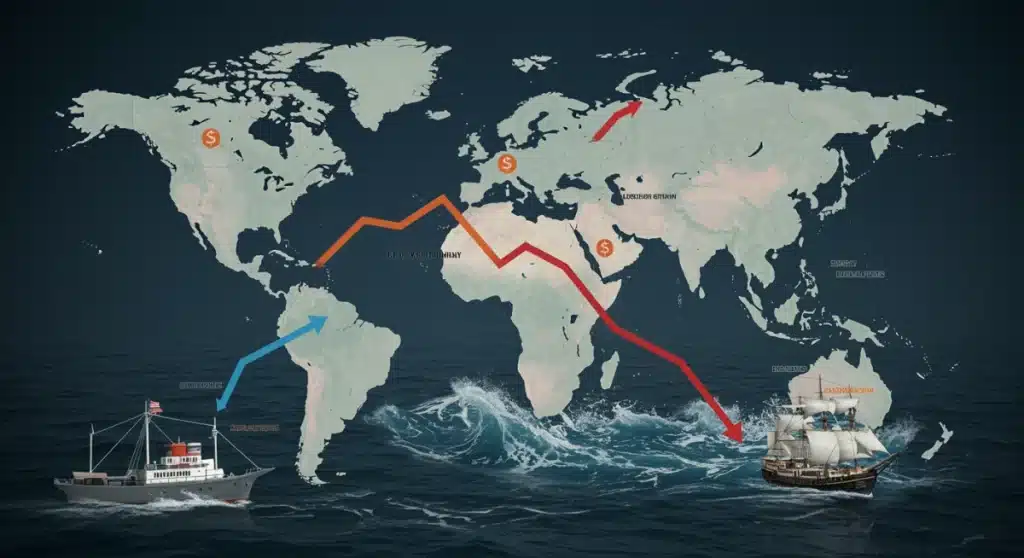
The geopolitical landscape remains volatile, with ongoing conflicts and rising tensions in various parts of the world. These events are not merely political; they have profound economic implications, particularly for supply chains, which are still recovering from the shocks of recent years. For the U.S. economy in 2025, these disruptions represent a significant headwind.
Conflicts in key regions can lead to blockages in shipping lanes, increased insurance costs, and reduced production of essential goods. The reliance of the U.S. on global supply chains for everything from electronics to pharmaceuticals means that these disruptions can quickly translate into shortages and higher prices domestically.
Impact on U.S. Supply Chains
- Increased Shipping Costs: Rerouting vessels and higher risk premiums drive up the cost of transporting goods.
- Resource Scarcity: Geopolitical events can restrict access to critical raw materials, impacting manufacturing.
- Trade Policy Shifts: Nations may impose tariffs or restrictions in response to geopolitical events, further fragmenting global trade.
Furthermore, the drive towards reshoring or nearshoring production, while offering some long-term benefits in terms of resilience, also comes with short-term costs. Businesses face challenges in relocating facilities, retraining workers, and establishing new logistical networks, all of which can contribute to higher operational expenses.
The U.S. government and businesses are increasingly focused on building more resilient supply chains to mitigate these risks. However, given the interconnectedness of the global economy, complete immunity from geopolitical disruptions is unlikely. The ongoing adaptation to these challenges will be a defining feature of the U.S. economic landscape in 2025.
Monetary Policy Divergence and Global Capital Flows
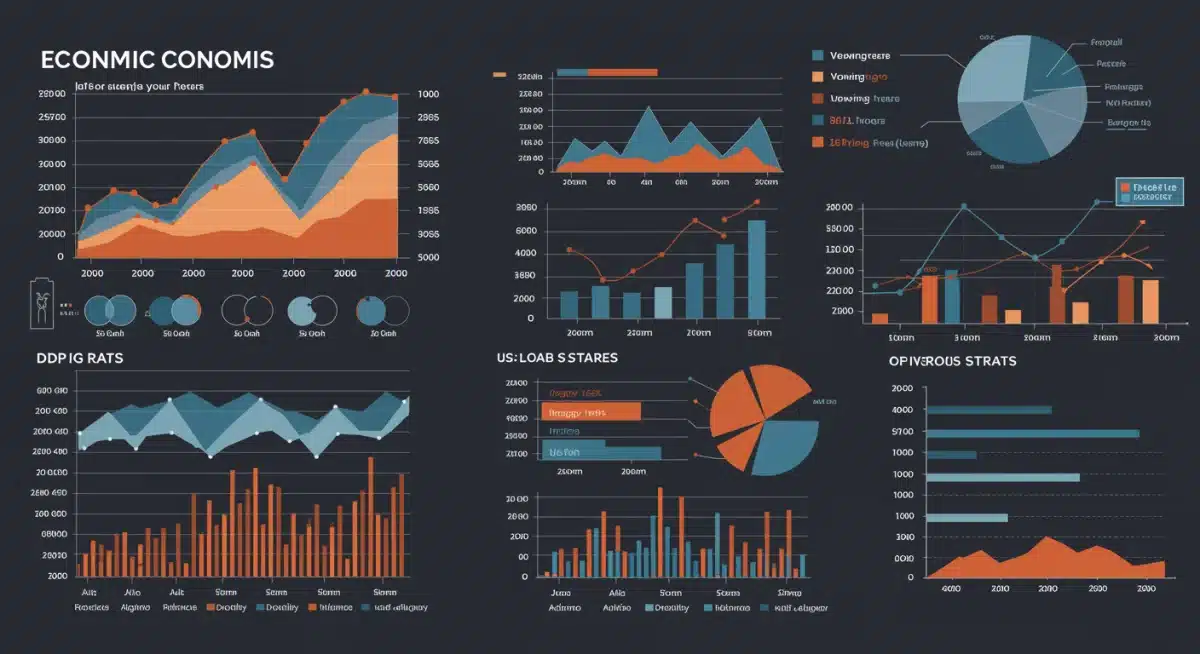
Central banks around the world are navigating different economic realities, leading to a divergence in monetary policies. While the Federal Reserve has been aggressive in raising interest rates to combat inflation, other central banks may be moving at a different pace or even considering easing, depending on their domestic economic conditions. This divergence creates a significant global economic headwind for the U.S. in 2025.
When the U.S. raises interest rates, it typically strengthens the dollar, making U.S. exports more expensive and imports cheaper. While this can help curb domestic inflation, it can also hurt U.S. manufacturers and lead to a wider trade deficit. Moreover, a strong dollar can create financial instability in emerging markets, potentially leading to capital outflows from those economies and further global turbulence.
Consequences of Policy Divergence
- Currency Fluctuations: Volatile exchange rates can impact corporate earnings and trade competitiveness.
- Capital Flight: Higher U.S. interest rates can attract capital from other countries, potentially destabilizing their economies.
- Global Growth Slowdown: Coordinated monetary tightening across major economies can lead to a synchronized global recession.
The Federal Reserve must carefully consider the global implications of its decisions. While its primary mandate is domestic price stability and maximum employment, the interconnectedness of financial markets means that its actions inevitably have international repercussions. The balancing act between domestic needs and global stability will be a key challenge.
Investors and businesses operating internationally will need to closely monitor these policy divergences and their impact on global capital flows. The ability to adapt to shifting currency values and changing investment landscapes will be crucial for navigating the U.S. economy through these headwinds in 2025.
Energy Market Volatility and Its Economic Ripple Effects
The global energy market remains a significant source of volatility, directly impacting the U.S. economy. Geopolitical events, production decisions by major oil-producing nations, and the ongoing transition to renewable energy sources all contribute to price fluctuations. These fluctuations act as a substantial global economic headwind, influencing everything from household budgets to industrial production in 2025.
Higher energy prices directly translate into increased costs for consumers at the pump and for heating their homes. For businesses, elevated energy costs can squeeze profit margins, particularly for energy-intensive industries like manufacturing and transportation. This can lead to reduced investment, slower hiring, and ultimately, a drag on economic growth.
Key Drivers of Energy Market Volatility
- Geopolitical Supply Shocks: Conflicts or political instability in major oil and gas producing regions.
- OPEC+ Production Decisions: Actions by the Organization of the Petroleum Exporting Countries and its allies significantly influence global supply.
- Transition to Renewables: Investment shifts and policy changes in the energy sector can create short-term supply-demand imbalances.
Moreover, the U.S. economy’s reliance on various forms of energy means that volatility in one segment can have ripple effects across others. For example, high natural gas prices can influence electricity costs, affecting both residential and commercial consumers. The strategic energy reserves and domestic production capabilities of the U.S. offer some buffer, but they are not impervious to global market dynamics.
Policymakers and businesses will need to continue exploring strategies to enhance energy independence and diversify energy sources to mitigate the impact of this volatility. Investing in renewable energy and improving energy efficiency are long-term solutions, but managing the immediate effects of price swings will be critical for the U.S. economy in 2025.
Adapting to Global Economic Headwinds: Strategies for the U.S.
Navigating the complex landscape of global economic headwinds in 2025 requires a multi-pronged approach from both the U.S. government and private sector. Proactive strategies focused on resilience, innovation, and international cooperation will be essential to mitigate risks and foster sustainable growth. Ignoring these external pressures is not an option; adaptation is key.
For policymakers, this means carefully calibrated monetary and fiscal policies that address domestic challenges while also considering global implications. For businesses, it involves diversifying supply chains, hedging against currency risks, and investing in technologies that enhance efficiency and reduce reliance on volatile inputs.
Key Adaptation Strategies
- Strengthening Domestic Production: Reducing reliance on foreign supply chains for critical goods and services.
- Diversifying Trade Partnerships: Expanding trade relationships to reduce dependence on any single country or region.
- Investing in Innovation: Fostering technological advancements that improve productivity and create new economic opportunities.
- Prudent Fiscal Management: Maintaining fiscal discipline to create headroom for counter-cyclical policies when needed.
Furthermore, international cooperation remains vital. Engaging with global partners to address shared challenges such as climate change, pandemics, and economic instability can create a more predictable and stable global environment. The U.S. plays a crucial role in these international dialogues and collaborations.
The ability of the U.S. economy to adapt to these global headwinds will largely determine its performance in 2025. While challenges are significant, they also present opportunities for strategic adjustments that can lead to a more resilient and robust economic future. Continuous monitoring, flexible policymaking, and agile business practices will be paramount.
| Key Headwind | U.S. Impact in 2025 |
|---|---|
| Persistent Inflation | Continued pressure on consumer purchasing power and business costs, challenging Fed’s targets. |
| Geopolitical Tensions | Increased supply chain disruptions, higher trade costs, and market uncertainty. |
| Monetary Policy Divergence | Stronger dollar impacting exports, potential capital flight from emerging markets, and global growth slowdown. |
| Energy Market Volatility | Higher fuel and utility costs for consumers and businesses, impacting inflation and economic activity. |
Frequently Asked Questions About Global Economic Headwinds
Global economic headwinds are adverse external factors, such as persistent inflation, geopolitical instability, and supply chain disruptions, that impede worldwide economic growth and stability. They create challenges for national economies, including the U.S., by influencing trade, investment, and consumer behavior.
In 2025, persistent global inflation will likely keep consumer prices elevated in the U.S., eroding purchasing power and increasing business operating costs. This could lead to slower economic growth, potentially complicating the Federal Reserve’s efforts to balance inflation control with employment goals.
Geopolitical tensions contribute significantly by disrupting global supply chains, increasing energy prices, and creating market uncertainty. Conflicts can lead to blockages in key trade routes and resource scarcity, directly impacting the availability and cost of goods for the U.S. economy.
Yes, monetary policy divergence can significantly impact the U.S. dollar. If the Federal Reserve maintains higher interest rates compared to other central banks, it can strengthen the dollar. While this helps curb U.S. inflation, it makes American exports more expensive and can destabilize other economies.
The U.S. can mitigate these headwinds by strengthening domestic production, diversifying trade partnerships, investing in innovation, and maintaining prudent fiscal management. International cooperation and building resilient supply chains are also crucial for adapting to a volatile global economic environment.
Conclusion
The U.S. economy in 2025 faces a complex array of global economic headwinds, ranging from persistent inflation and geopolitical instability to monetary policy divergence and energy market volatility. These interconnected challenges demand a robust and adaptive response from policymakers and businesses alike. By understanding these forces, implementing strategic adjustments, and fostering international collaboration, the U.S. can navigate these turbulent waters, build greater resilience, and continue to pursue sustainable economic growth amidst an ever-changing global landscape.